
6G Empowering Future Multi-Purpose Robotics – Event Report
The one6G and euRobotics Workshop #47, titled 6G Empowering Future Multi-Purpose Robotics, took place on Wednesday, March 25, 2026, bringing together leading experts from academia, research institutes, and industry to explore how 6G technologies will shape the future of multi-purpose robotics.
The workshop addressed key challenges and opportunities in the field of connected robotics, focusing on the integration of AI-native solutions, advanced communication capabilities, and novel architectural designs to enable the next generation of robotic systems. The session highlighted the role of 6G in supporting ultra-low latency, high data rate exchanges, and reliable teleoperation, providing a strong foundation for future research, industry applications, and standardization efforts.
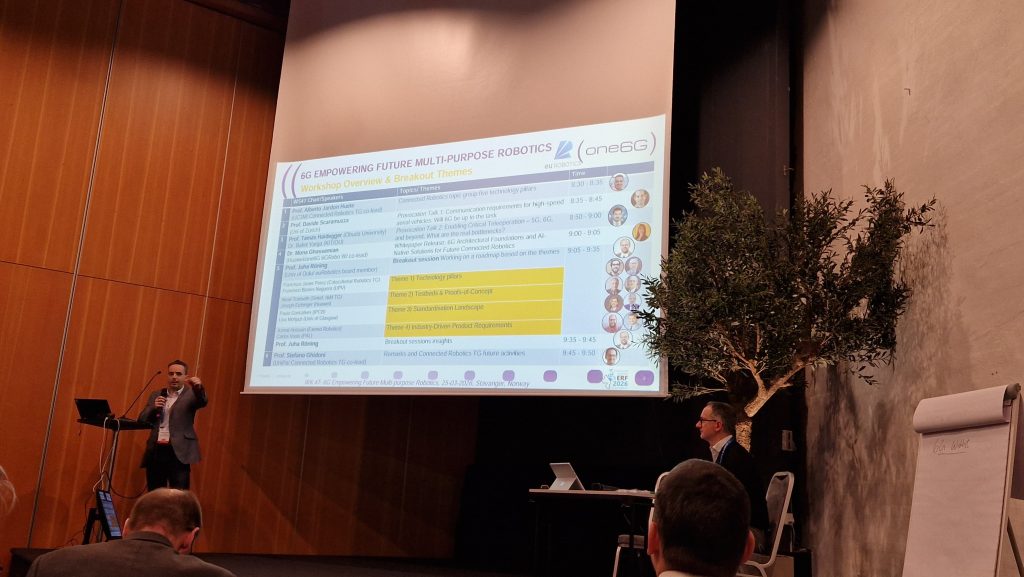
Prof. Alberto Jardón Huete (UC3M/euRobotics Connected Robotics Topic Group Co-Lead) | Opening and Introducing CR Five Pillars
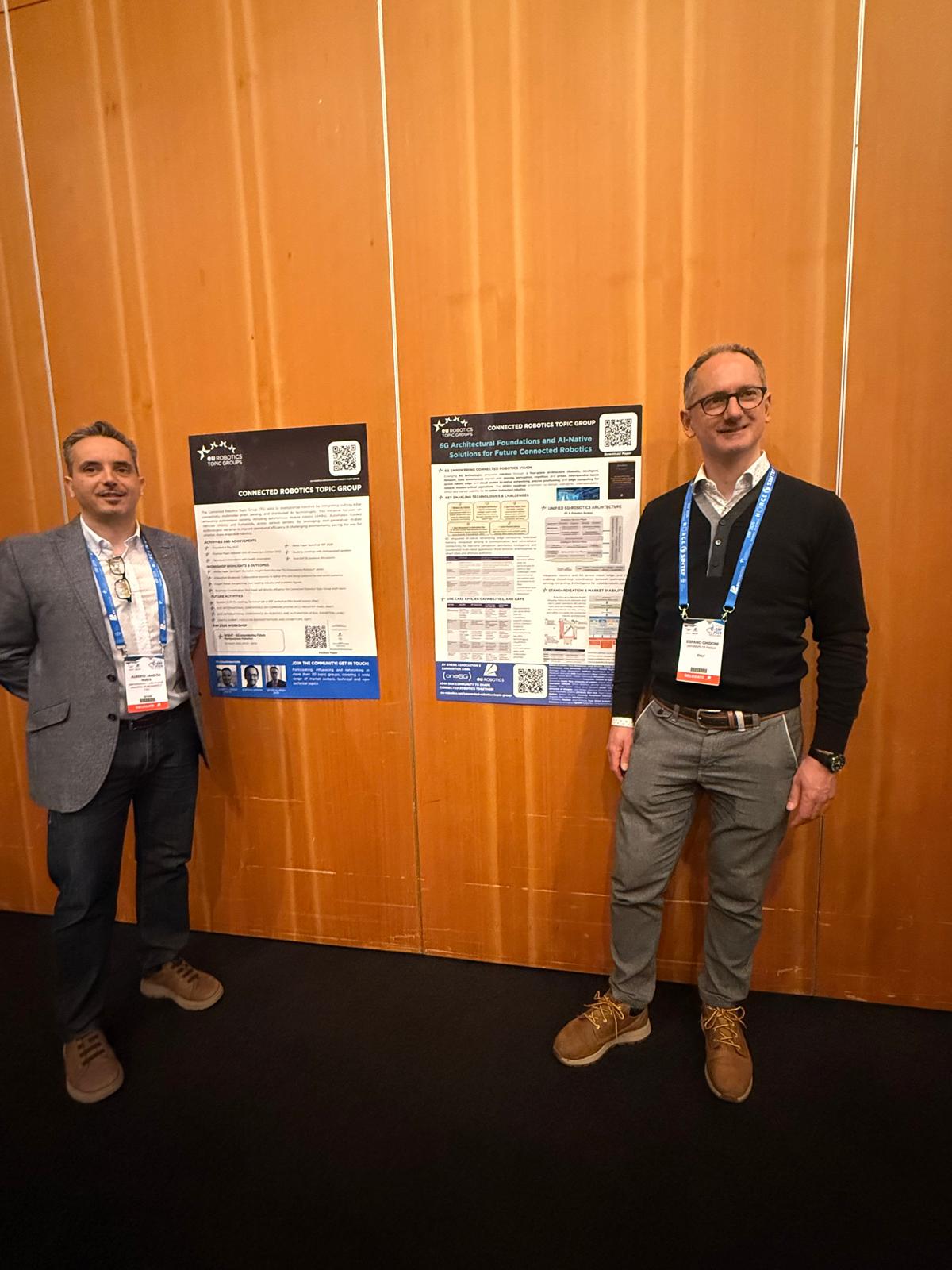
The event opened with welcome remarks and introductory remarks by Prof. Alberto Jardón Huete (Universidad Carlos III de Madrid), Co-Lead of the euRobotics Connected Robotics Topic Group (TG), who summarized insights from ERF 2025 and introduced the Connected Robotics five pillars. Prof. Jardón Huete also outlined the workshop agenda and the interactive sessions designed to engage participants in co-creating a roadmap for 6G-enabled robotics.
Workshop Report and Comments
Launch of the Joint one6G × euRobotics White Paper
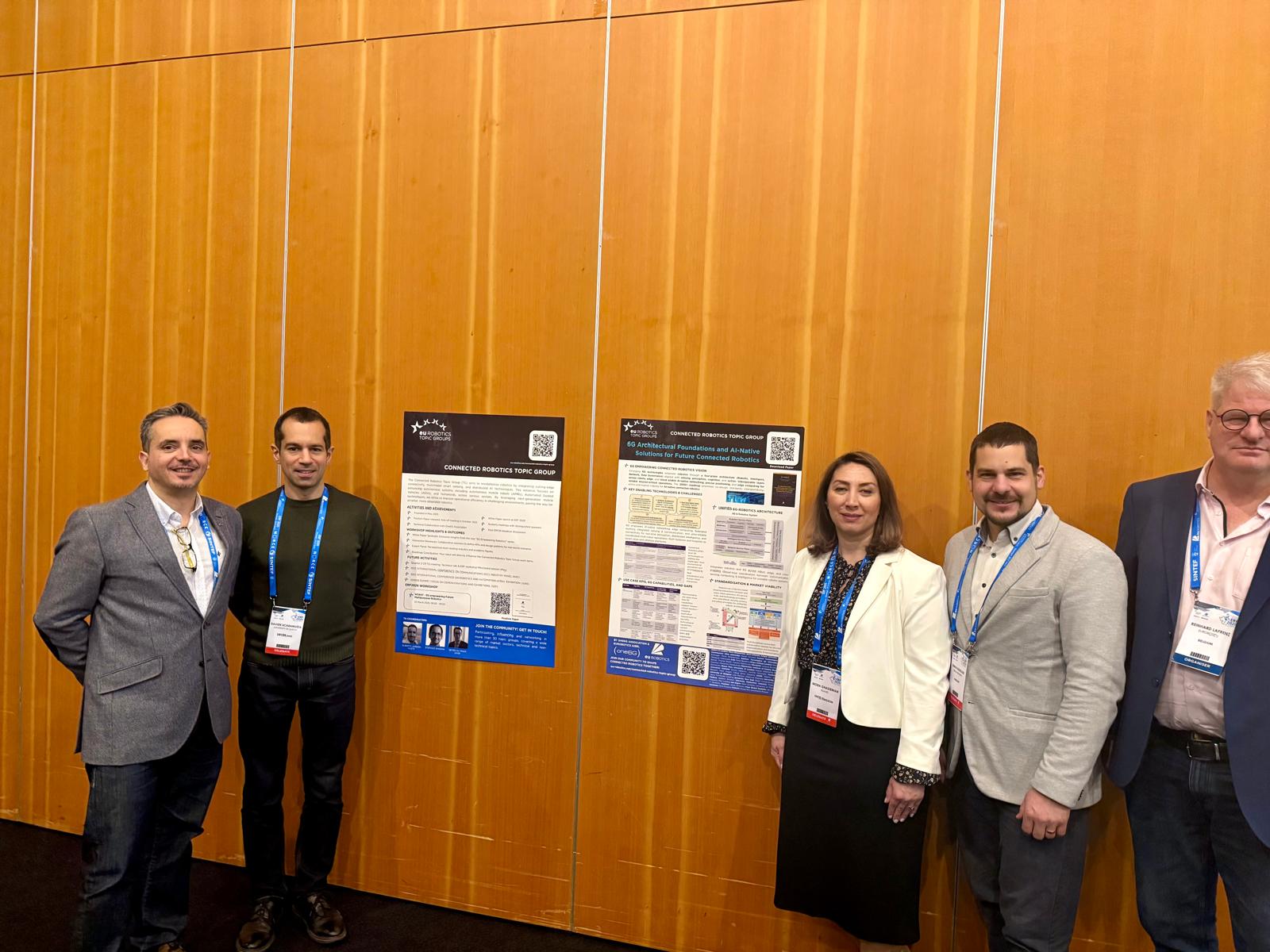
A key highlight of the workshop was the presentation by Dr. Mona Ghassemian (Huawei / one6G 6GRobo Working Item Co-Lead), who introduced the launch of the joint one6G × euRobotics White Paper titled “6G Architectural Foundations and AI-Native Solutions for Future Connected Robotics.”
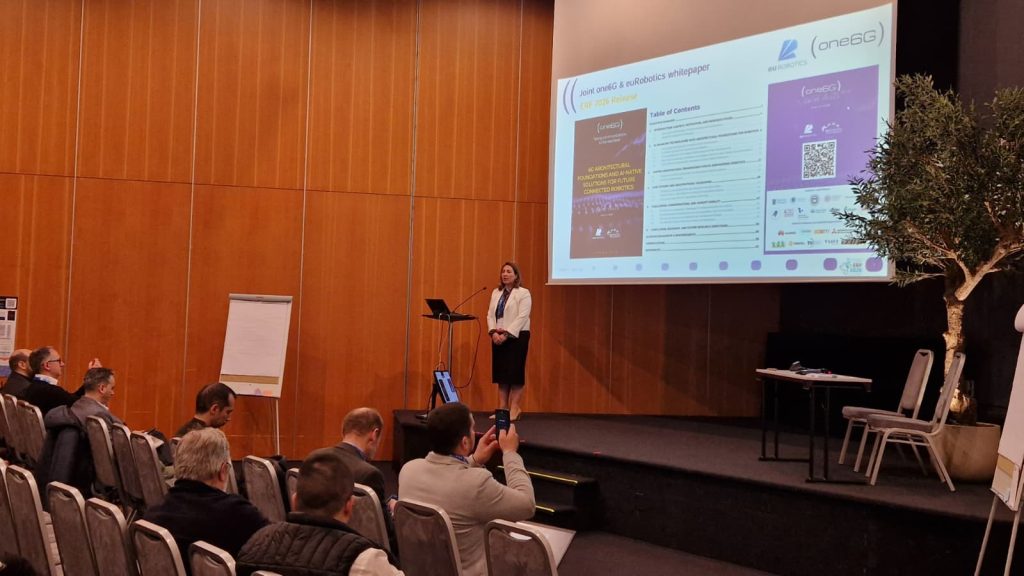
Dr. Mona Ghassemian (Huawei / one6G 6GRobo Working Item co-lead) | Launch of the new one6G x euRobotics White Paper
This joint publication represents a significant step toward aligning the visions of the telecommunications and robotics communities around a common architectural foundation for future connected robotics. The White Paper highlights the role of AI-native solutions, advanced communication capabilities, and integrated architectural design in enabling the next generation of robotic systems.
Provocation Talks: Challenging the Limits of Connectivity for Robotics
The workshop featured two thought-provoking talks examining whether current and future communication systems can meet the demands of next-generation robotics.
Talk 1
“Communication Requirements for High-Speed Aerial Vehicles: Will 6G Be Up to the Task?”
Prof. Davide Scaramuzza (University of Zurich)
The talk explored the extreme communication demands of high-speed aerial robotics, particularly autonomous drones operating in fast-changing and unpredictable environments.
Key messages:
- Current communication systems cannot fully support ultra-fast perception–action loops required for agile flight.
- Future networks must enable ultra-low latency, high data rate exchange for real-time perception, and rapid adaptability to dynamic environments.
- A central question was raised: Will 6G meet these requirements, or will autonomy rely more heavily on onboard intelligence?
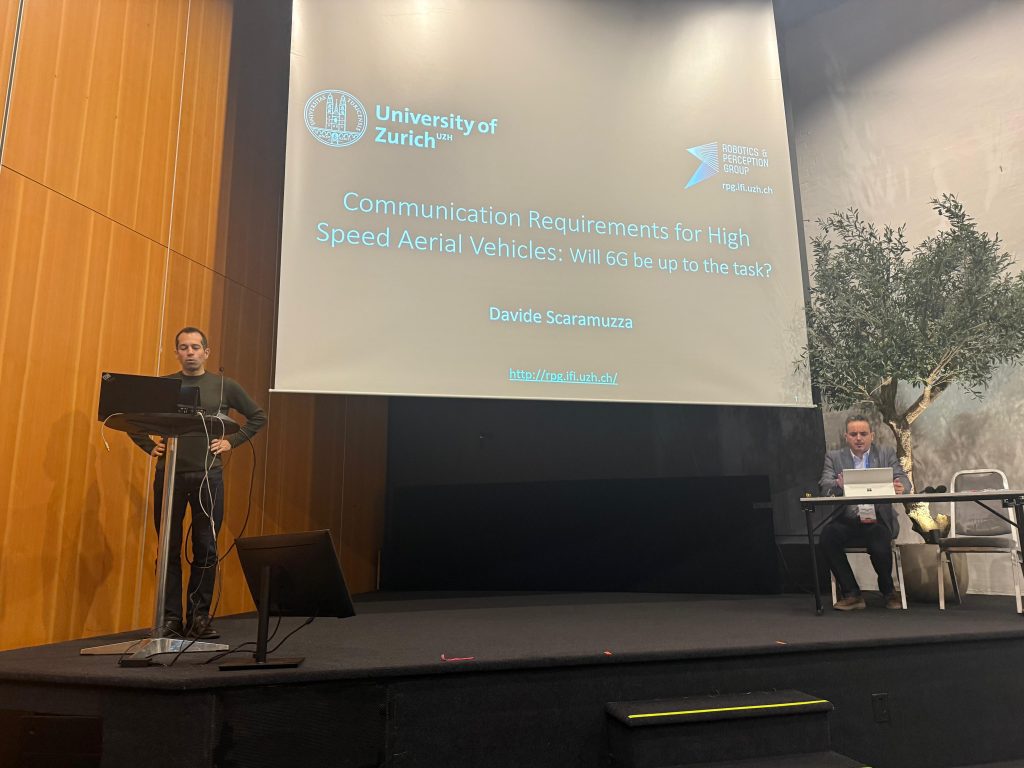
Prof. Davide Scaramuzza, University of Zurich | Provocation Talk 1
Talk 2
“Enabling Critical Teleoperation – 5G, 6G, and Beyond: What Are the Real Bottlenecks?”
Prof. Dr. Tamás Haidegger (BARK)
The talk examined challenges in safety-critical teleoperation, including healthcare and industrial robotics.
Key messages:
- Real-time teleoperation is constrained by latency variability, network instability, and lack of deterministic guarantees.
- Bottlenecks extend beyond connectivity to include integration complexity, certification, and regulatory challenges.
- 6G must evolve toward guaranteed, reliable, and trustworthy performance rather than best-effort communication.
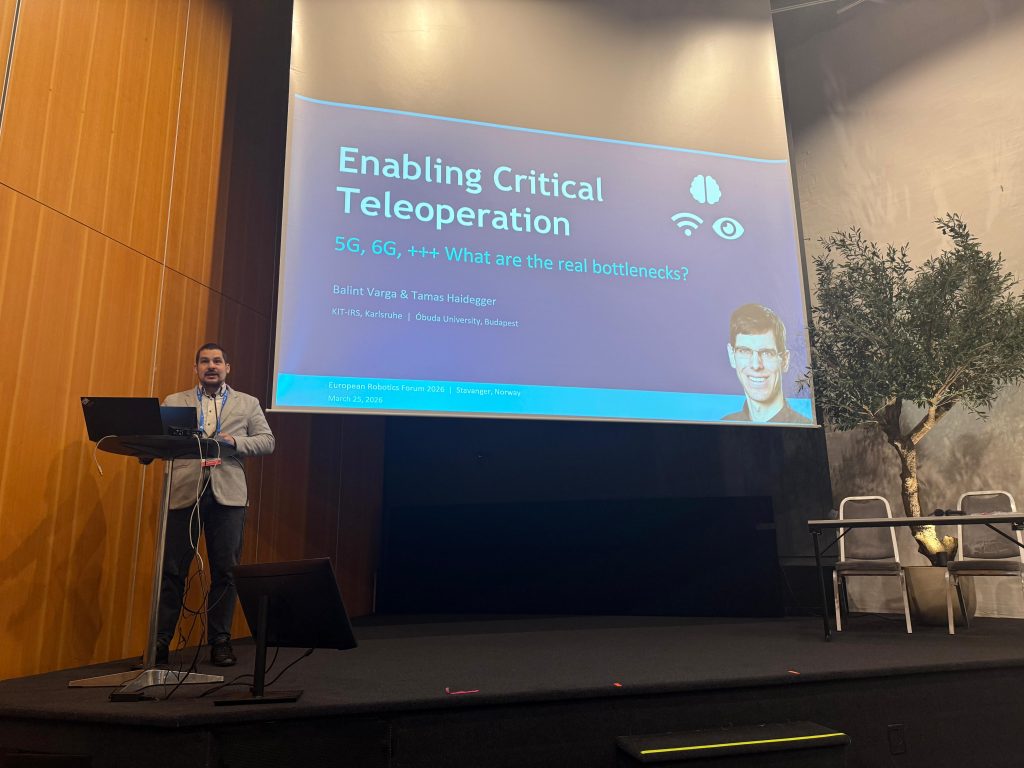
Prof. Dr. Tamás Haidegger, BARK | Provocation Talk 2
Breakout Sessions: Co-Creating the Roadmap for 6G-Enabled Robotics
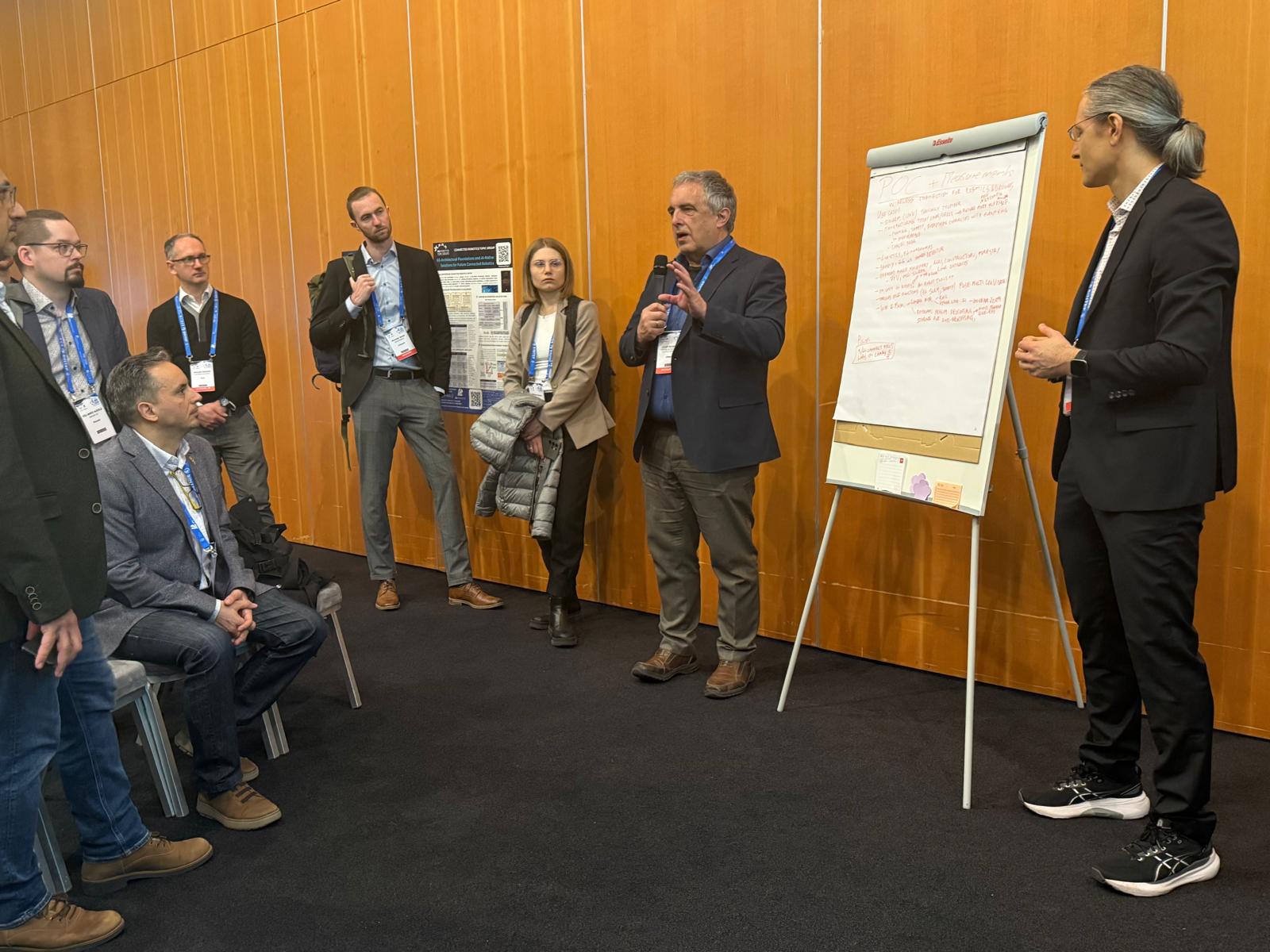
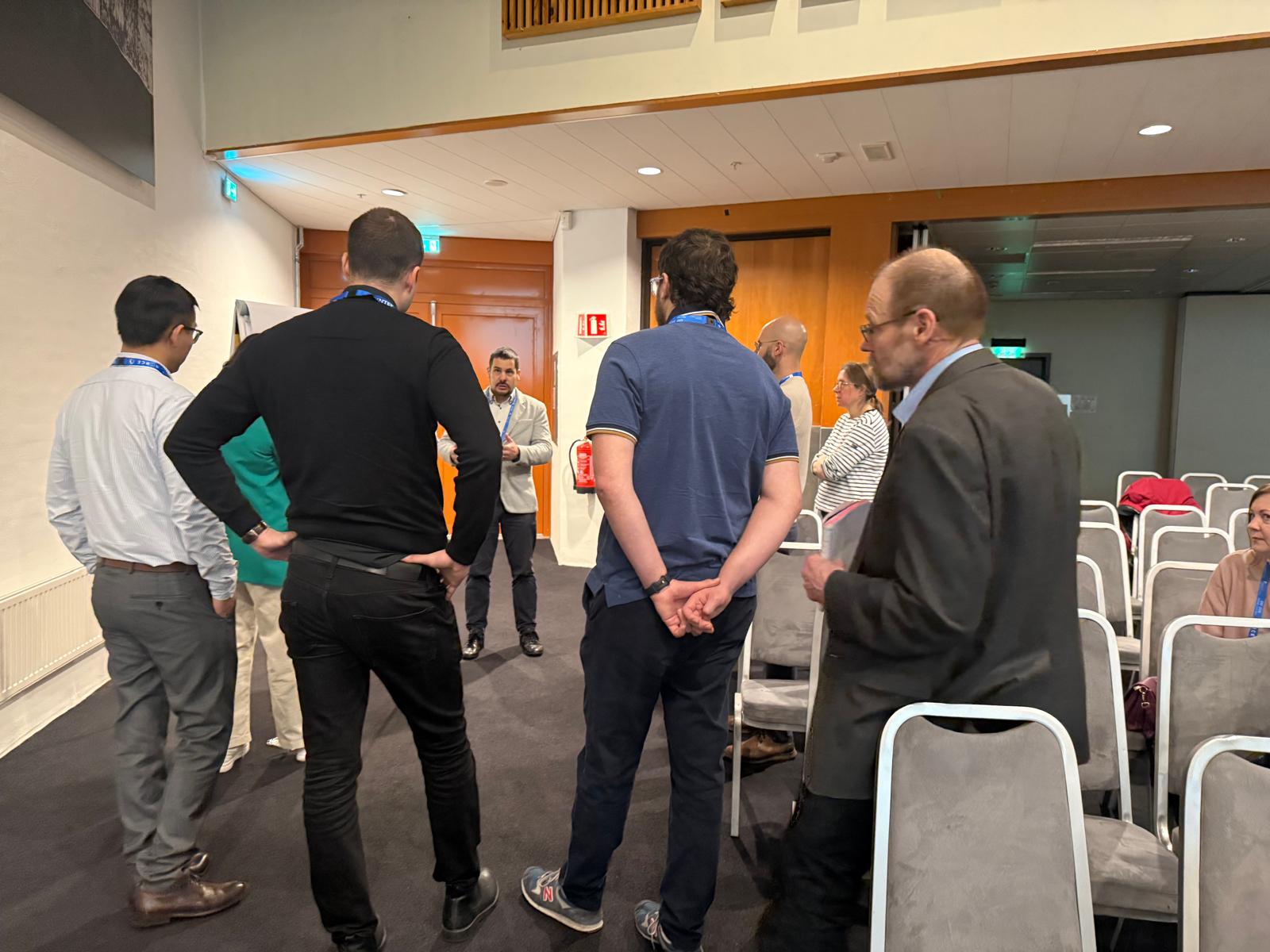
Chaired by Prof. Juha Röning (University of Oulu / euRobotics Board Member), the breakout sessions enabled participants to collaboratively shape key elements of the future connected robotics roadmap. The sessions were structured around four thematic areas:
Theme 1: The Interplay of 6G and Robotics
Theme Leads: Dr. Francisco Javier Perez-Grau (Catec / Aerial Robotics TG) and Francisco Blanes Noguera (Universitat Politècnica de València)
Theme 2: Testbeds, Proofs of Concept, and Implementations
Theme Leads: Dr. Aksel A. Transeth (SINTEF) and Joseph Eichinger (one6G, HWDU)
Theme 3: Standardization Activities
Theme Leads: Dr. Paulo Gonçalves (IPBC) and Dr. Lina Mohjazi (University of Glasgow)
Theme 4: Industry-Driven Product Requirements
Theme Leads: Azmat Hossain (Extend Robotics) and Carlos Vivas (PAL Robotics)
The sessions fostered dynamic exchanges, critical assessment of challenges, and identification of priority areas for future work. Insights are being consolidated through a Miro board to support the development of a structured roadmap for the Connected Robotics TG.
Workshop Conclusion: Summary and Way Forward
The workshop concluded with a wrap-up by Prof. Stefano Ghidoni (University of Padova / Connected Robotics TG Co-Lead), who summarized key insights, emphasizing the importance of AI-native architectures, improved reliability, scalability, and alignment between research, industry, and standardization.
The session outlined the next steps for joint euRobotics × one6G efforts and the development of a connected robotics roadmap.
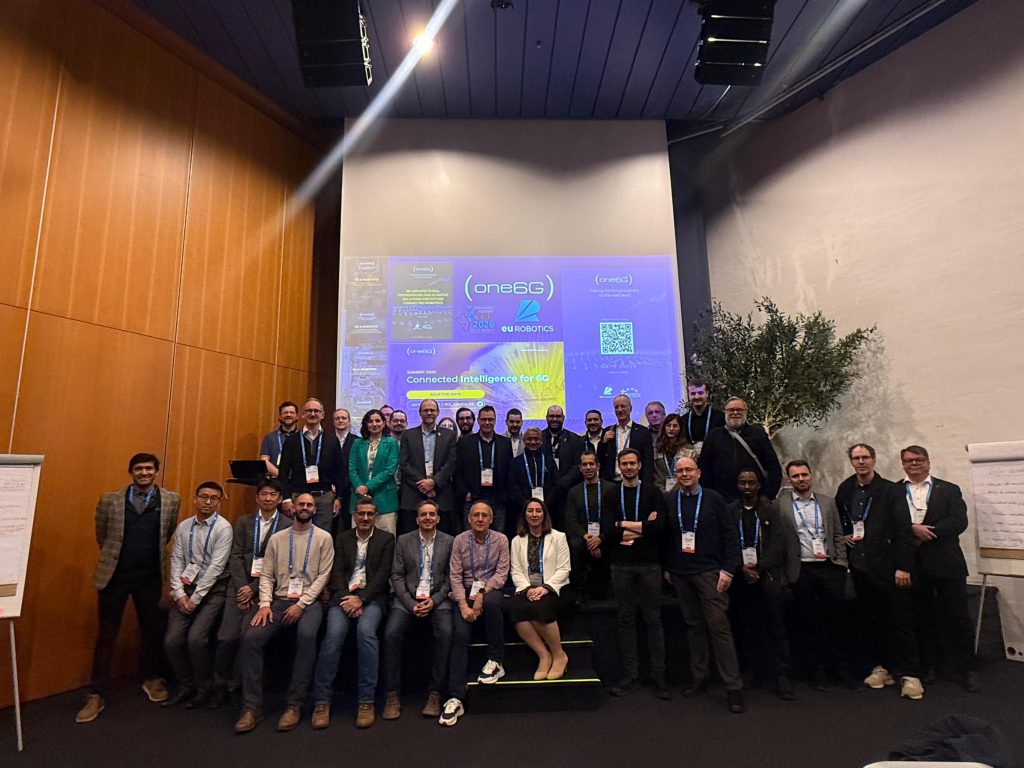
Workshop Outreach and Visibility
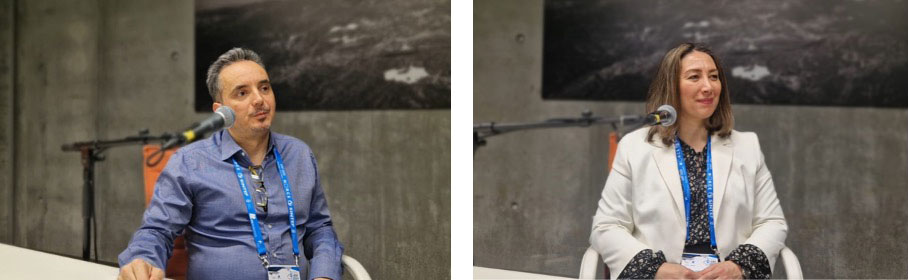
A collaboration with the Robot Talk Podcast captured interviews with nine organizers, speakers, participants, and theme leads. These interviews will enhance visibility, disseminate key messages, and support future workshops.
Next Steps and Continued Engagement
Participants are invited to continue contributing to the connected robotics roadmap through post-workshop Miro brainstorming sessions.
Miro board
CR TG meeting: May 5, 2026, 3:30–5:00 PM CEST (Meeting details: Connected Robotics Topic Group | euRobotics)