
one6G Summit 2026 – Event report
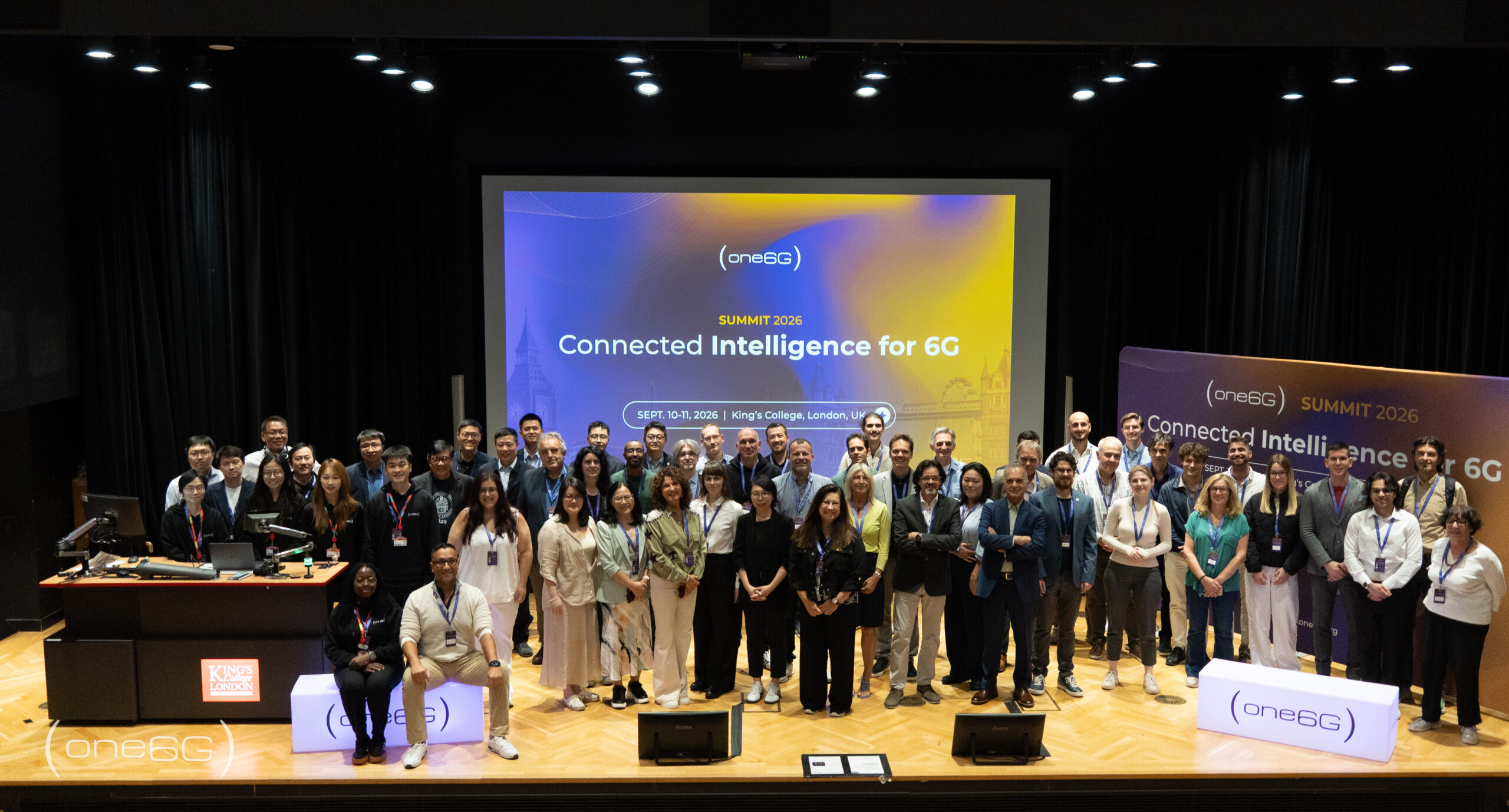
The sixth edition of the one6G Summit took place at King’s College London, organized alongside the 2026 IEEE International Conference on Standards for Communications and Networking (CSCN) as part of London 6G Week. Centered around the theme of Connected Intelligence for 6G, the event gathered global industry leaders, academic visionaries, and technical experts to explore how AI natively integrated into network architecture will transform mobile communications toward the realization of IMT-2030.
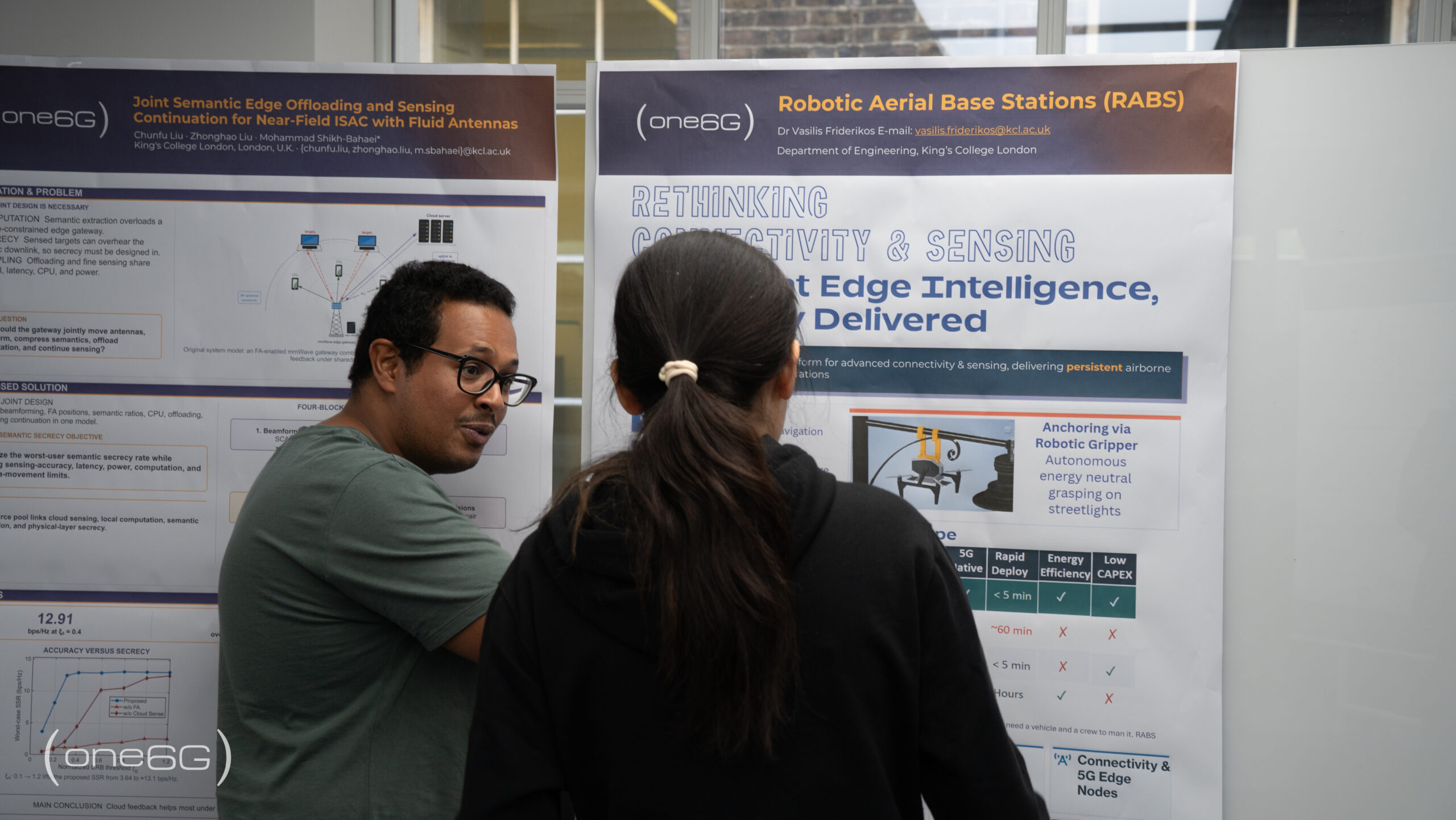
The event kicked off on the evening of September 9th with an exclusive Welcome Reception. Attendees networked over drinks and light refreshments while enjoying a sneak peek at the interactive demonstrations and posters on display.
Highlights from Day 1
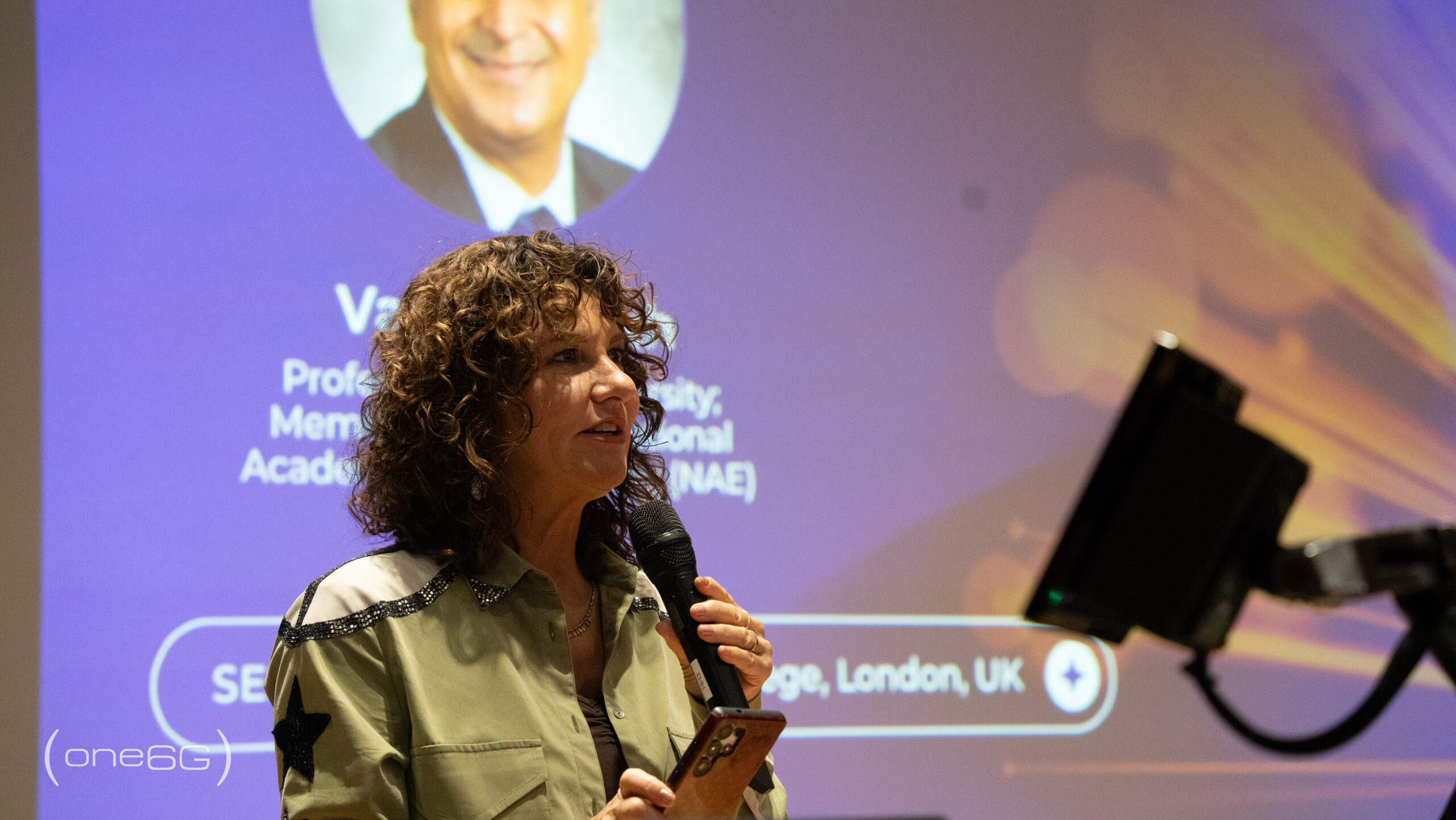
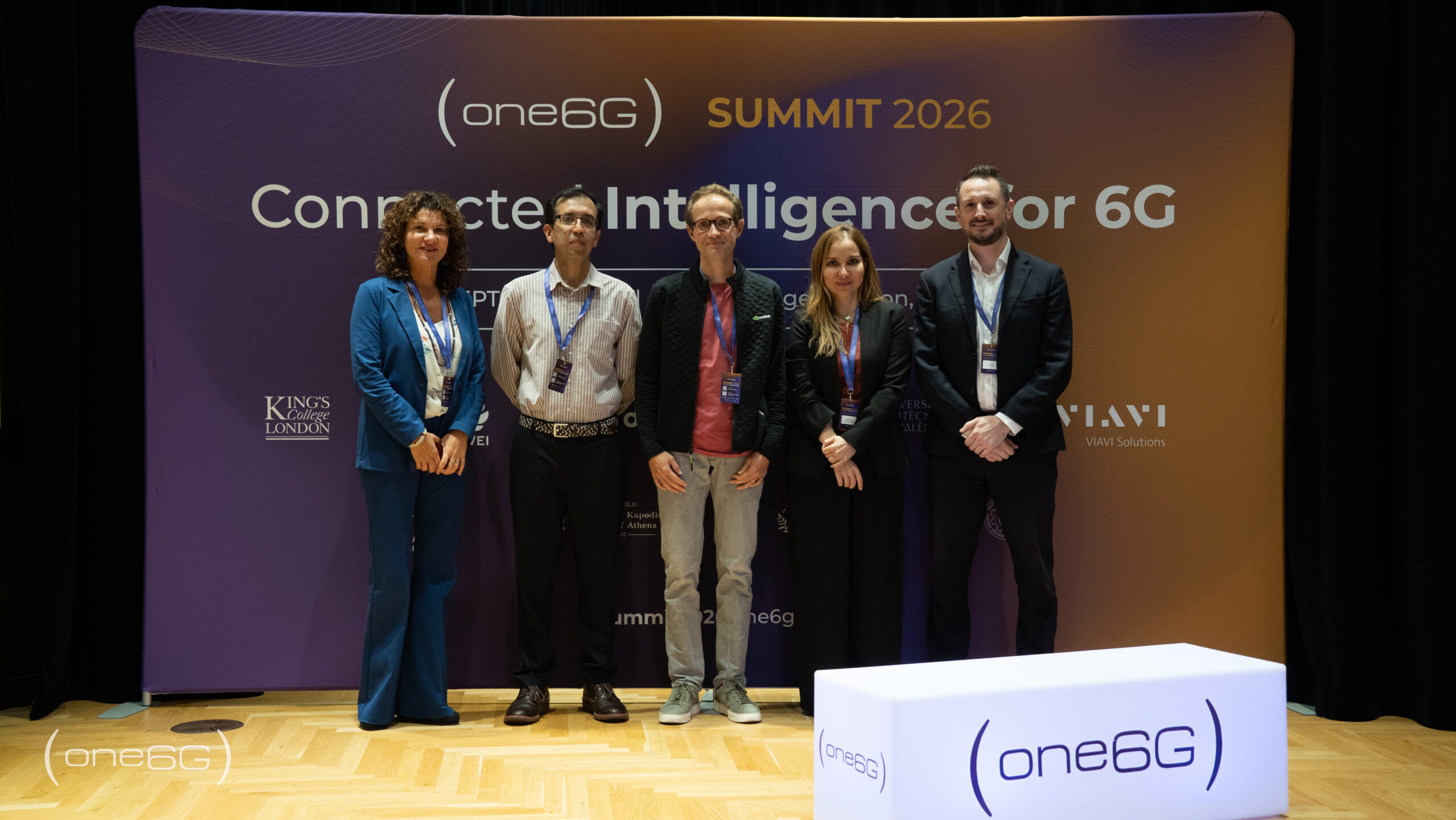
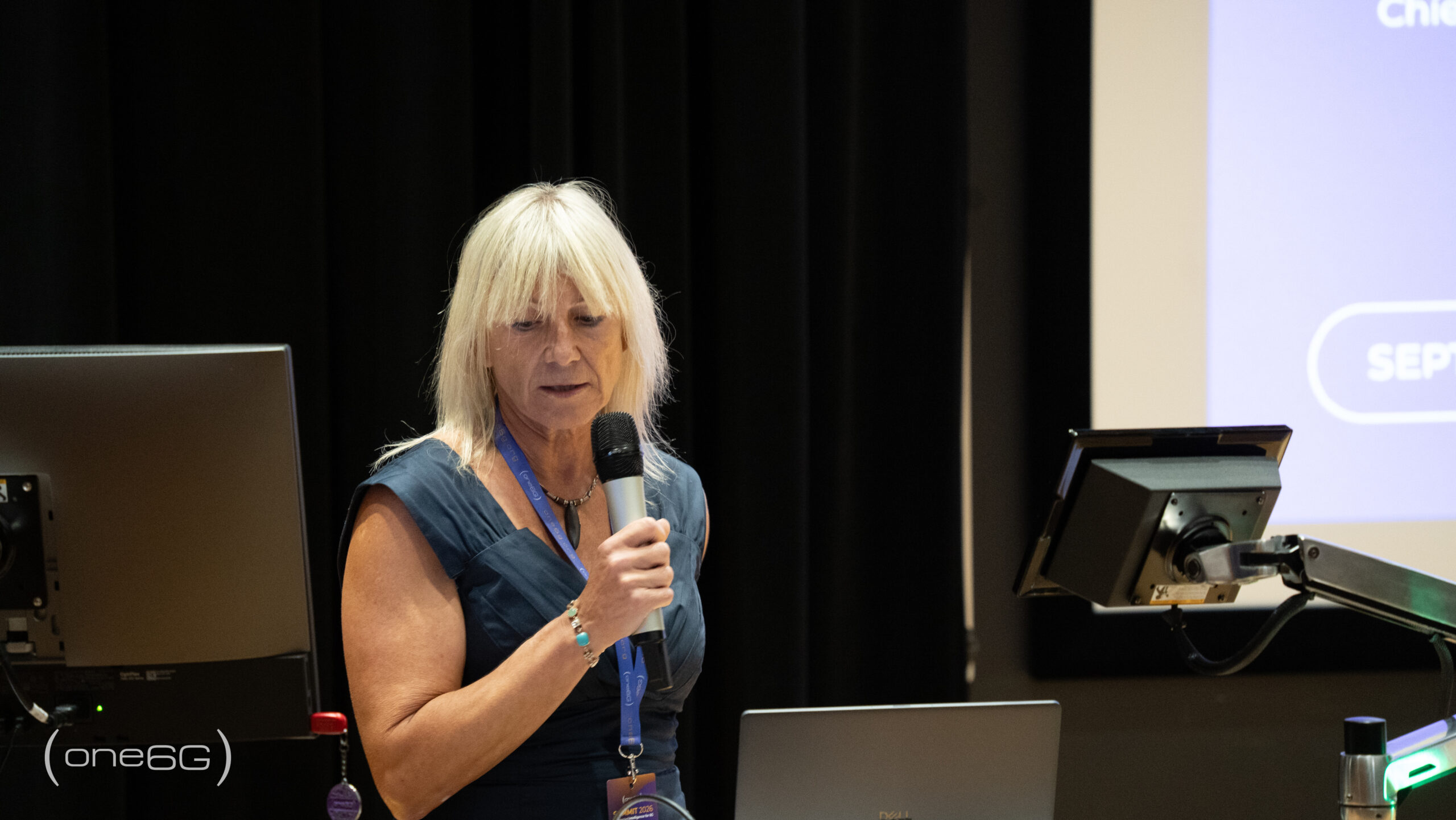
The formal program opened on Day 1 with welcoming remarks guided by Master of Ceremonies, Dr. Monique Calisti, CEO of Martel Innovate and President of Digital for Planet. After introducing the agenda, she gave the floor to Prof. Nancy Alonistioti, Chair of one6G and Professor at the National and Kapodistrian University of Athens, who formally welcomed the international delegation. Opening remarks from host representatives Prof. Rachel Bearon, Executive Dean of King’s College’s Faculty of Natural, Mathematical & Engineering Sciences, and Prof. Mohammad Shikh-Bahaei, President of one6G and Professor at King’s College London, set an ambitious tone focused on driving pioneering research in AI-native 6G networks.
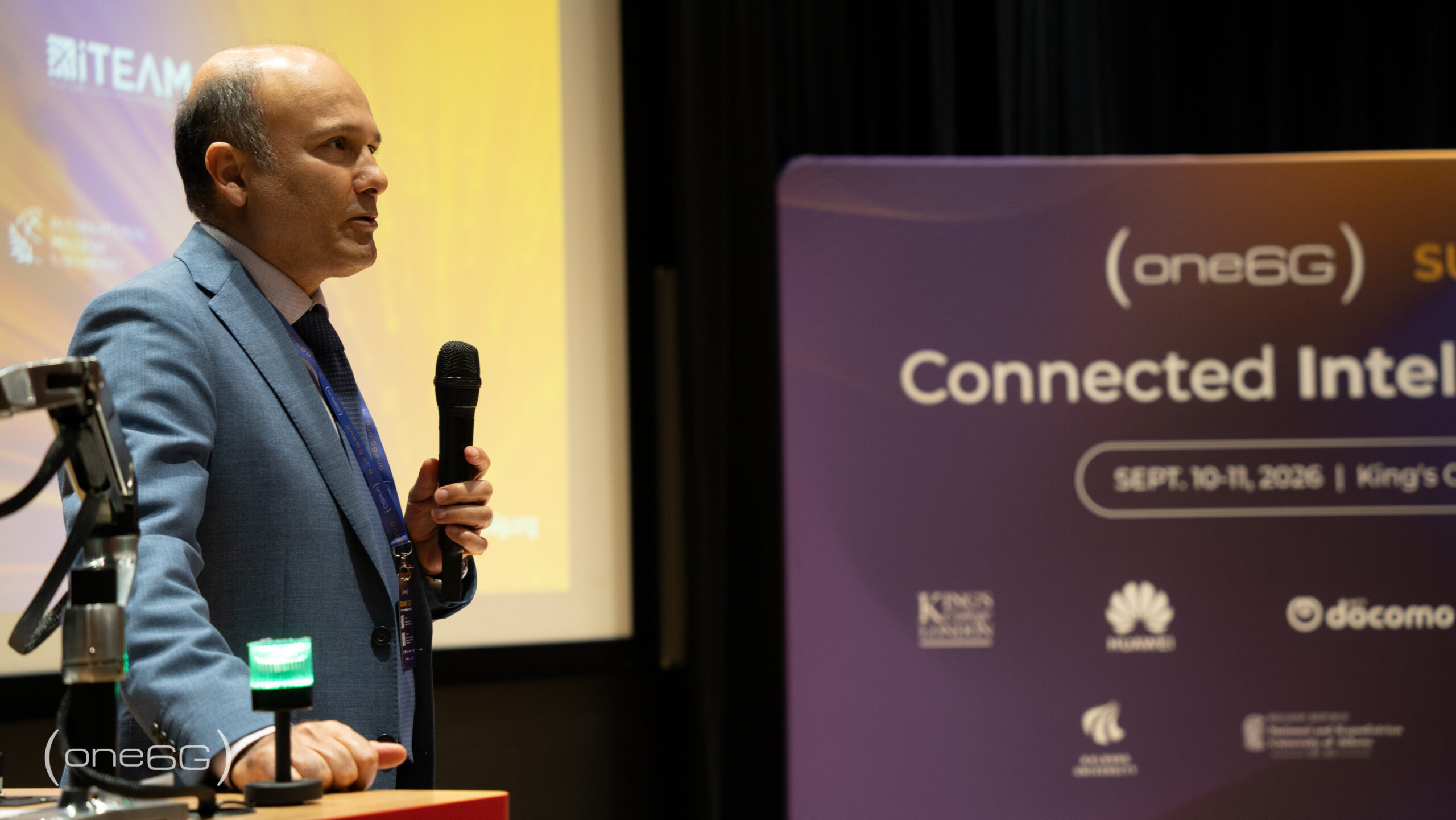
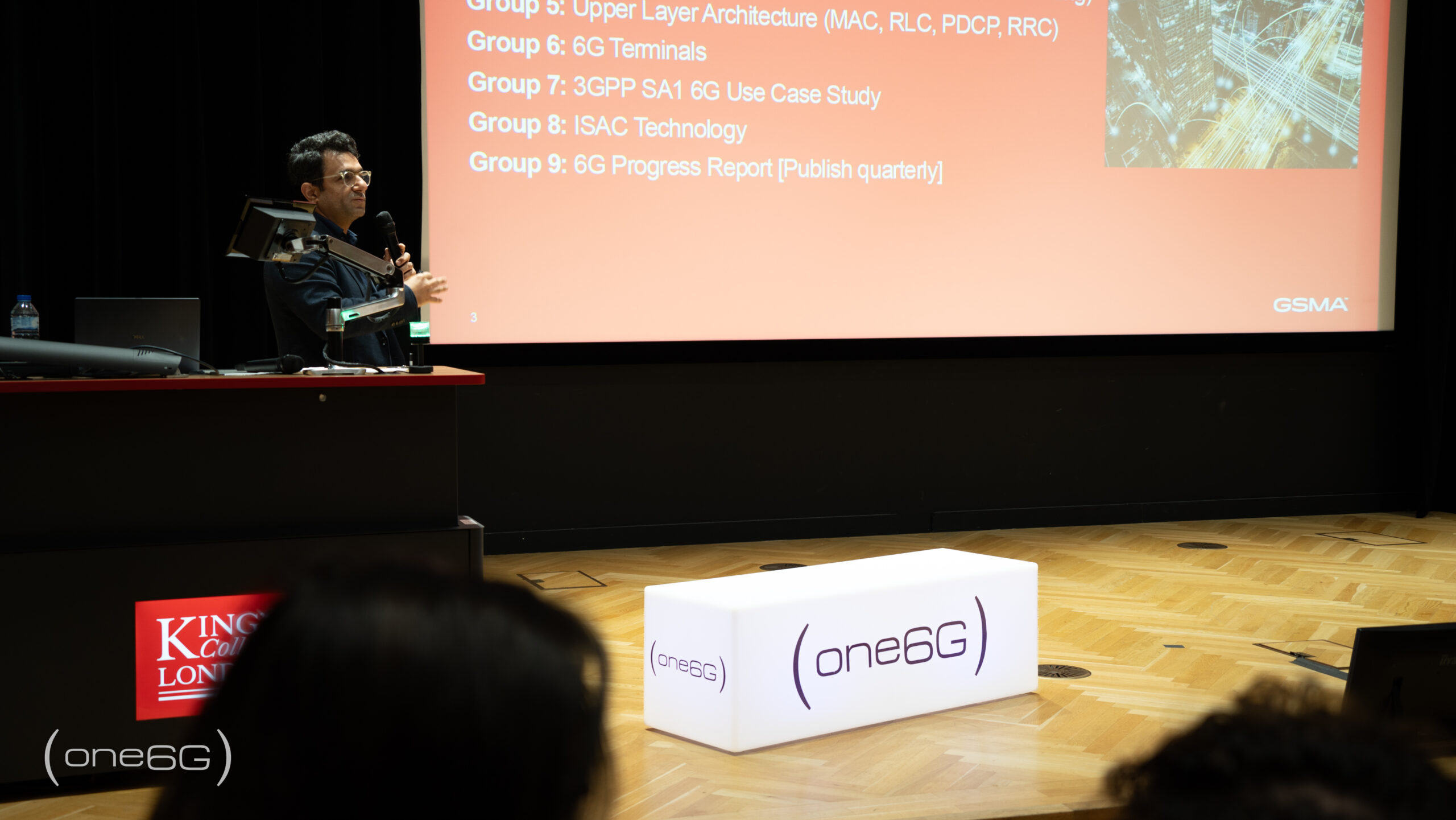
The technical program commenced with a session on global strategies and initiatives, chaired by Prof. Nancy Alonistioti. Key perspectives were shared by Dr. Morteza Kheirkhah from GSMA, Anita Döhler from the NGMN Alliance, Dmytro Gassanov from TM Forum, and Ben Gamble from the Linux Foundation’s Agentic AI Foundation, focusing on how global alliances are aligning on architectures that enable networks to perceive, reason, and act autonomously while ensuring trust and interoperability.
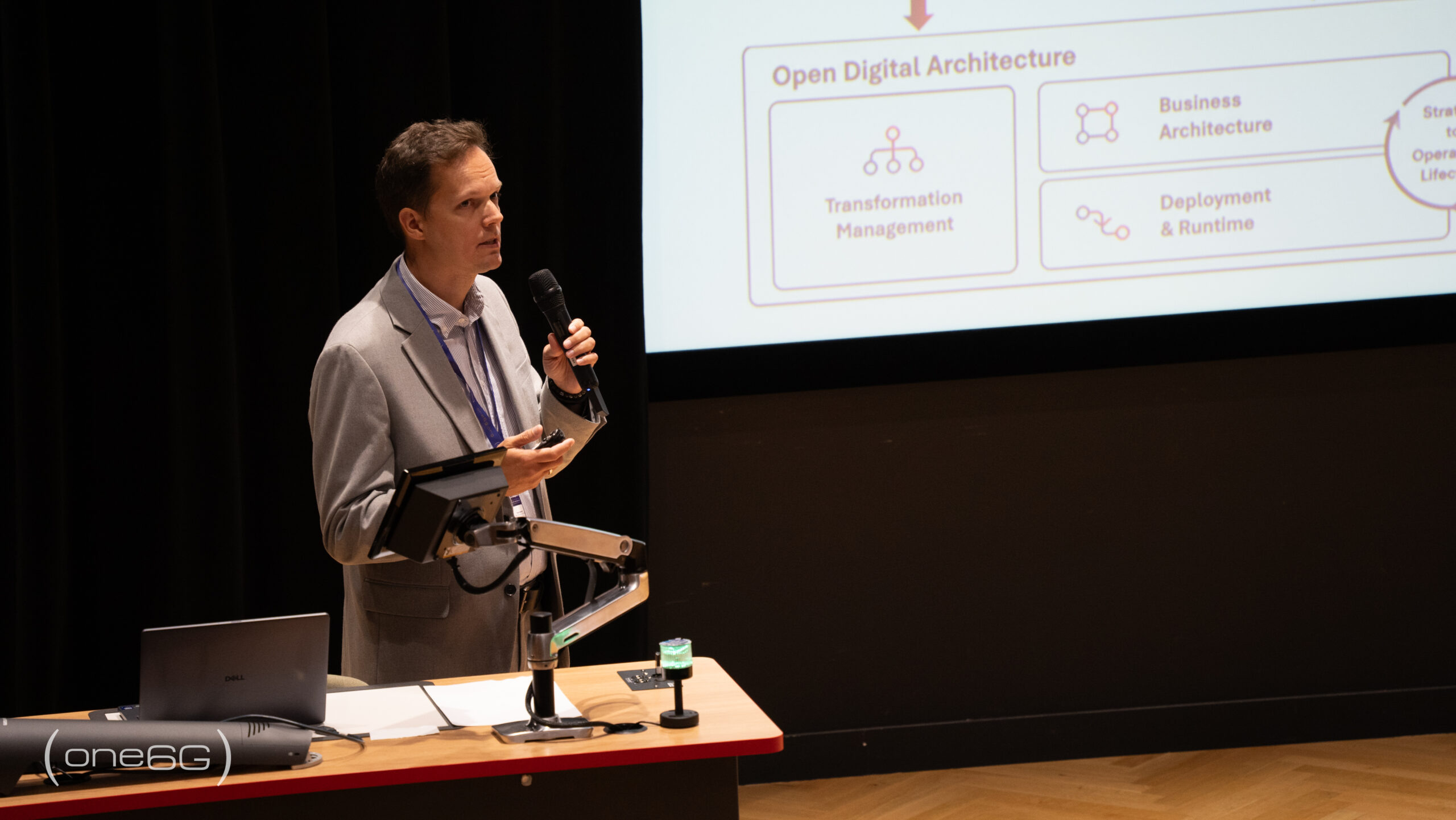
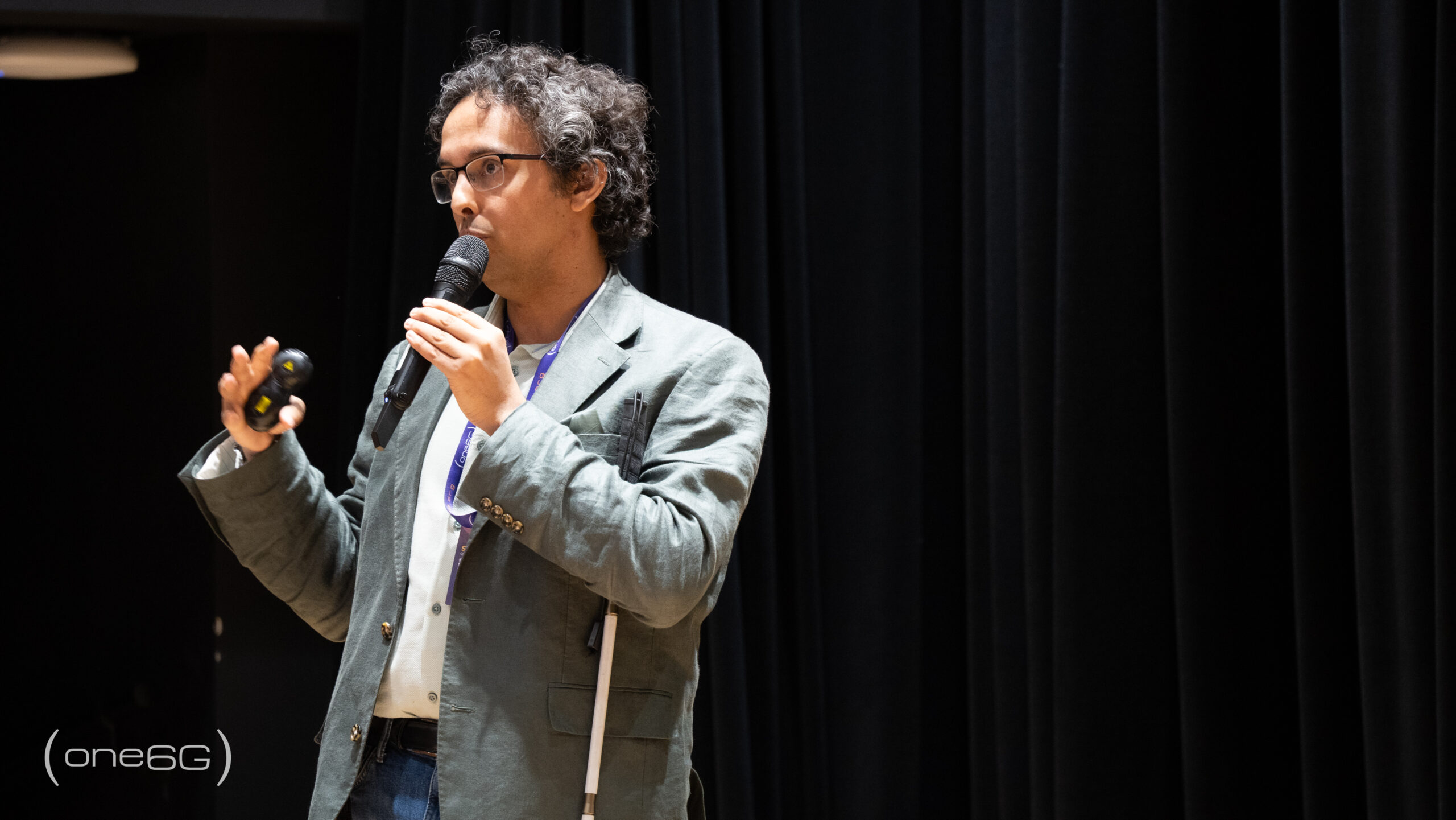
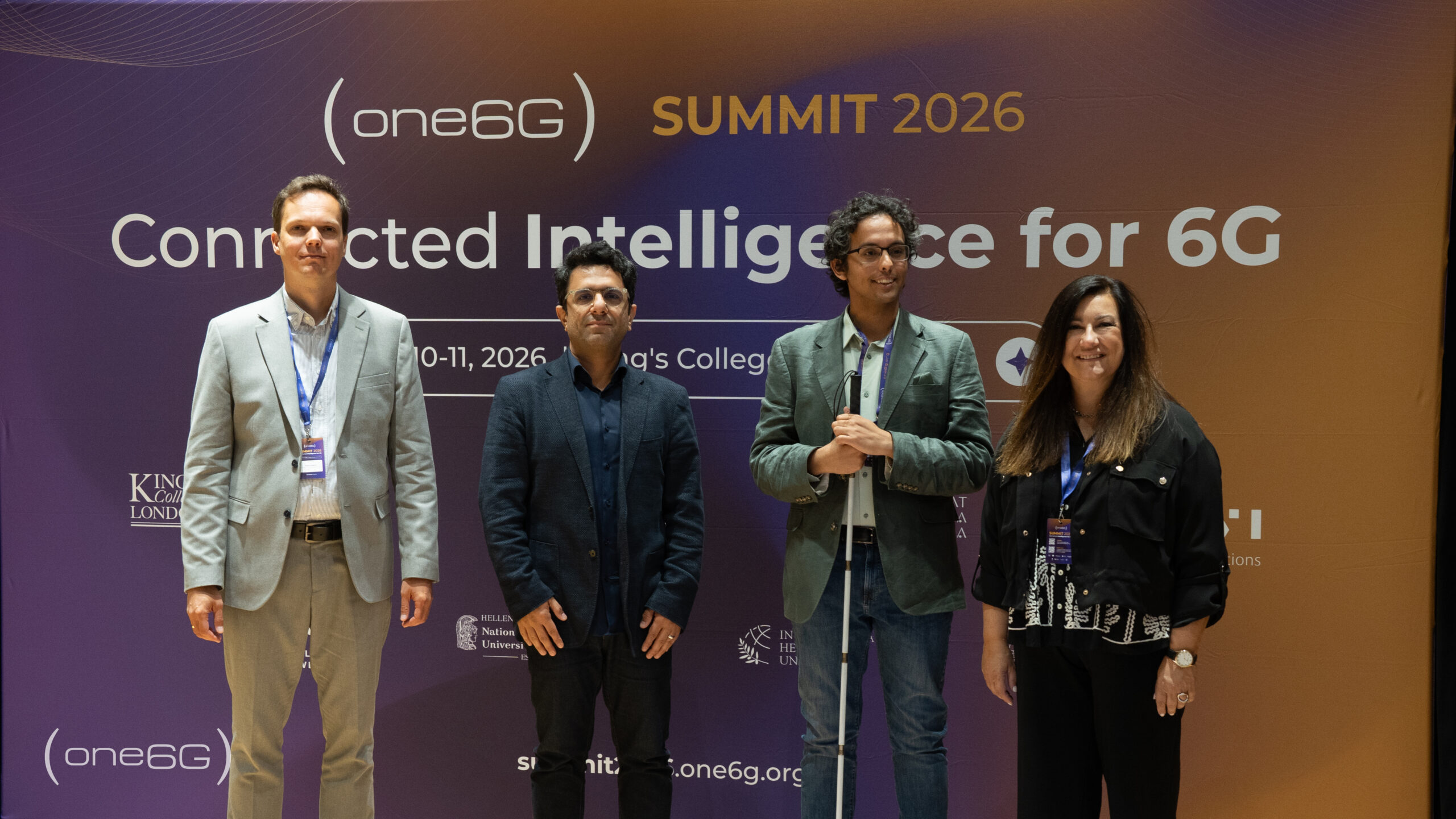
The conversation shifted to operator business models in the following session, chaired by Dr. Monique Calisti, where Itsuma Tanaka of DOCOMO Communications Laboratories Europe, Dr. Guenter Klas of Vodafone, and Dr. Yue Wang of China Telecom discussed how foundation models and agentic intelligence can unlock new value creation pathways.
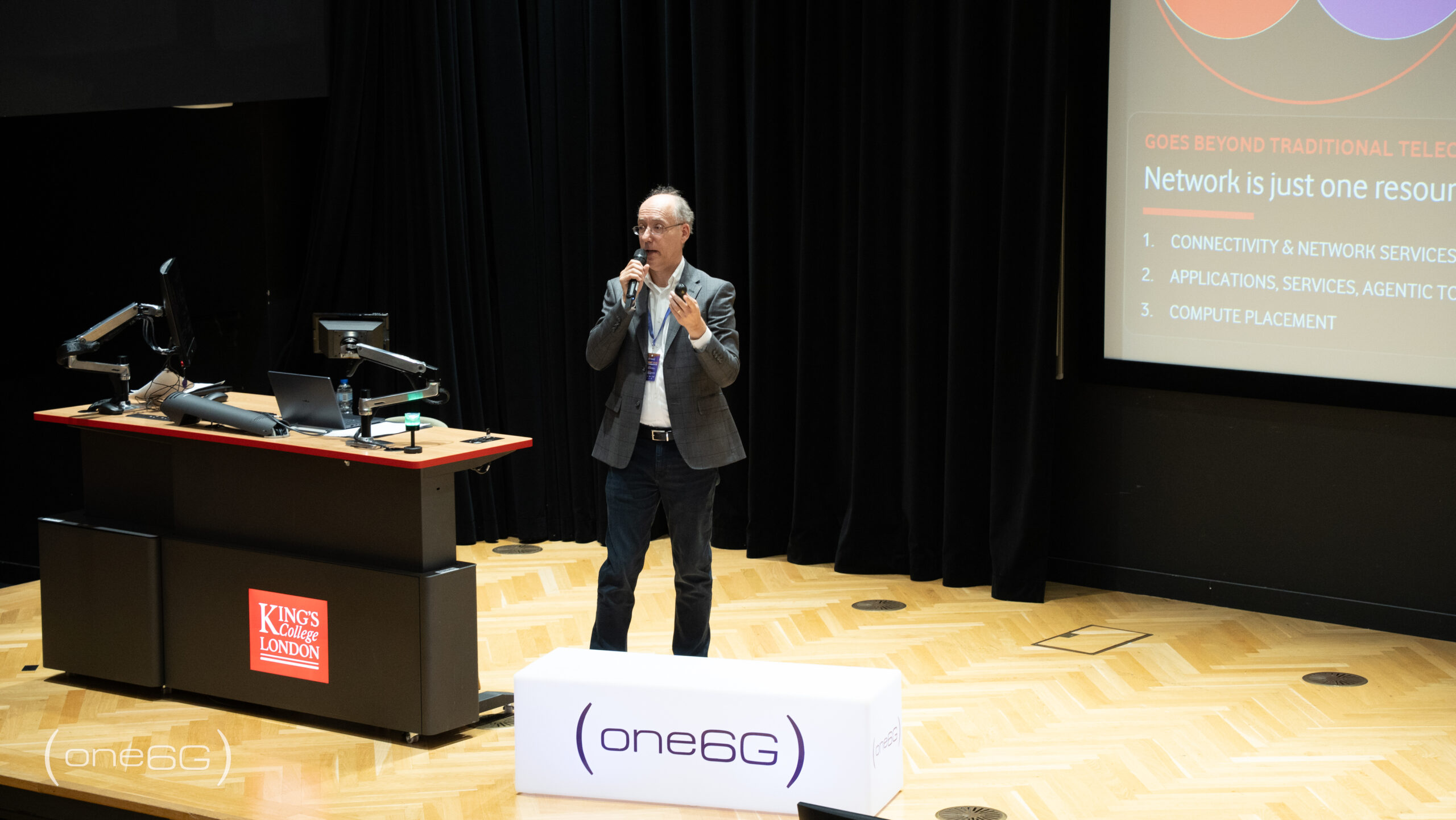
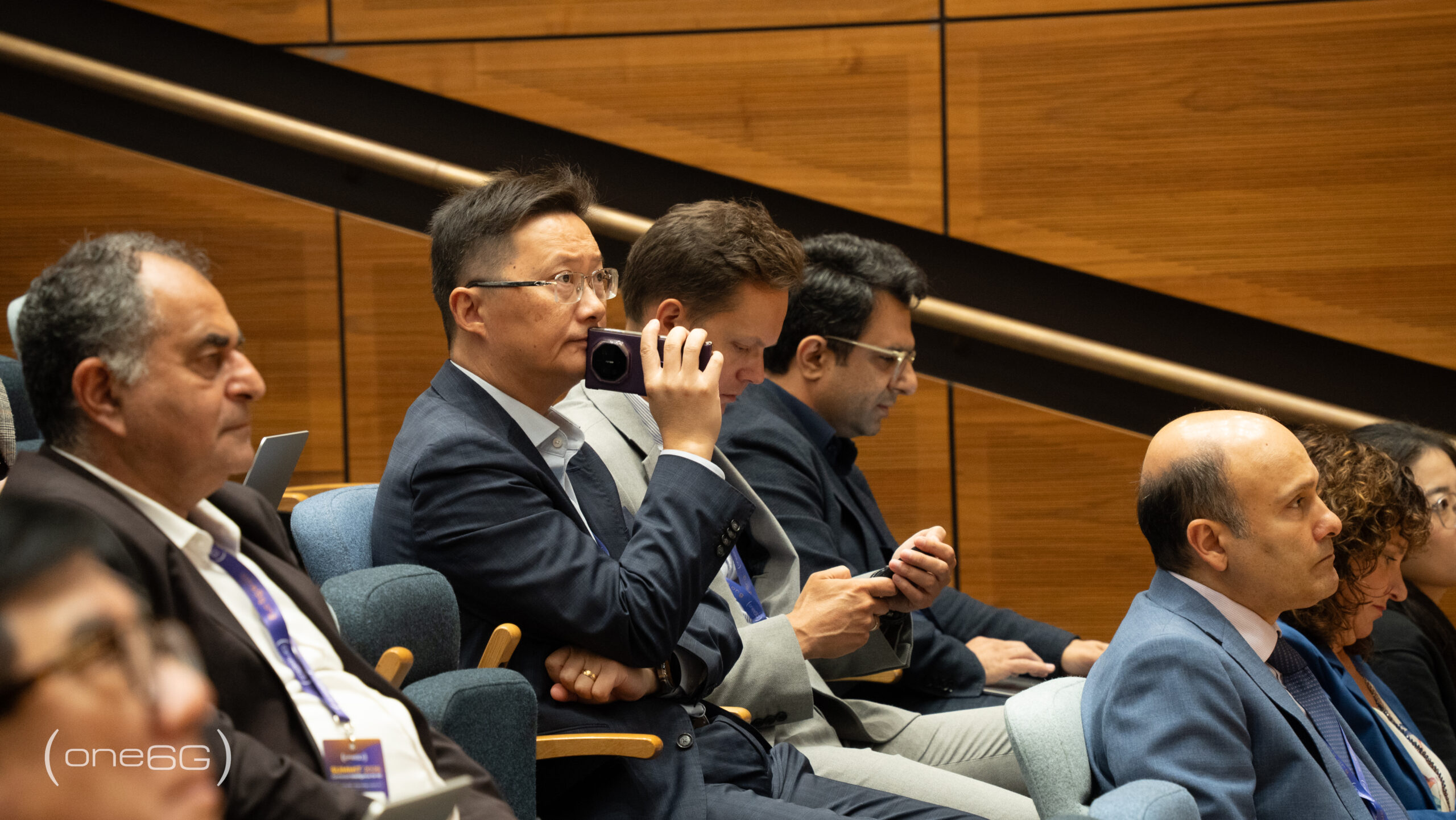
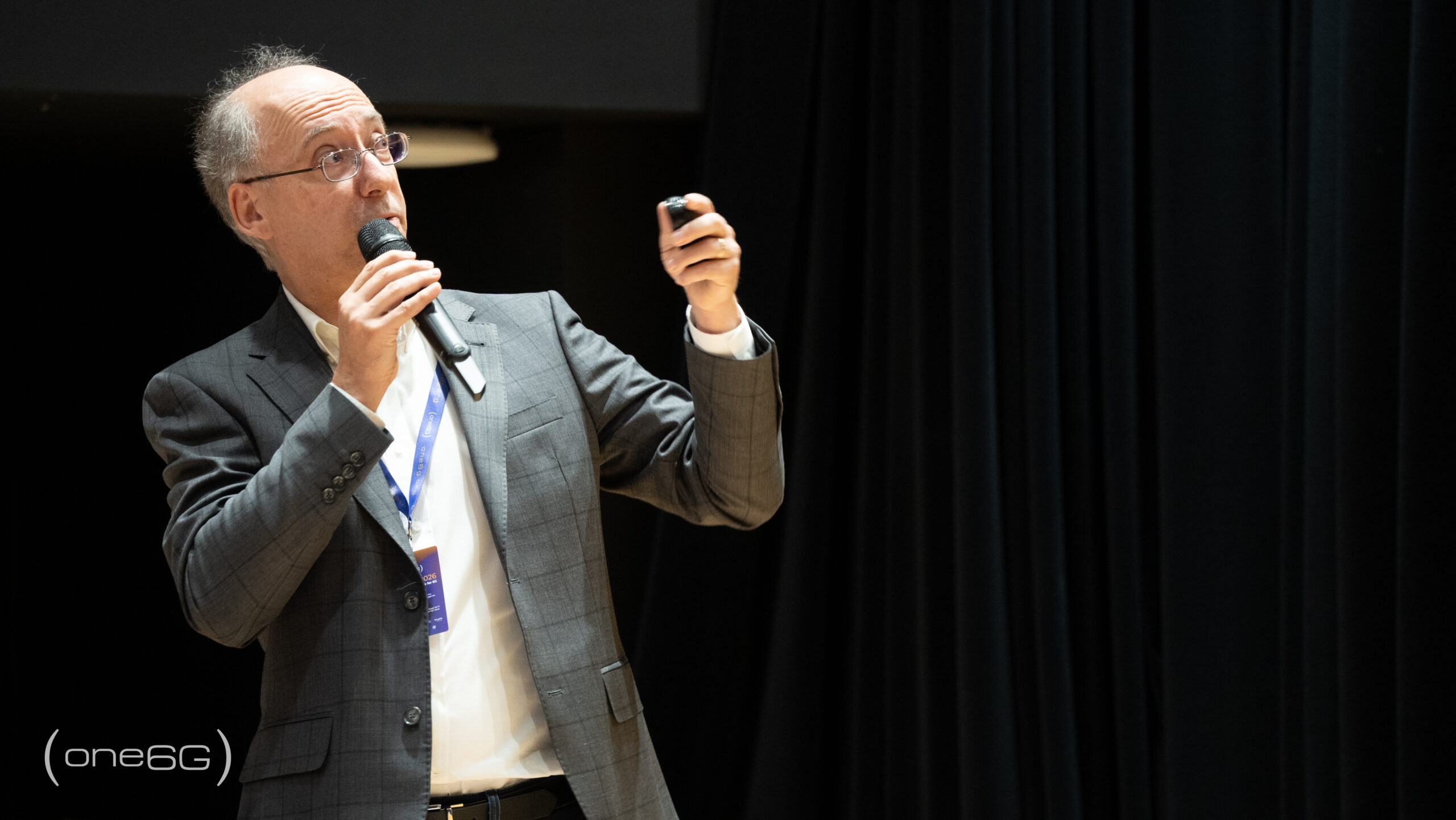
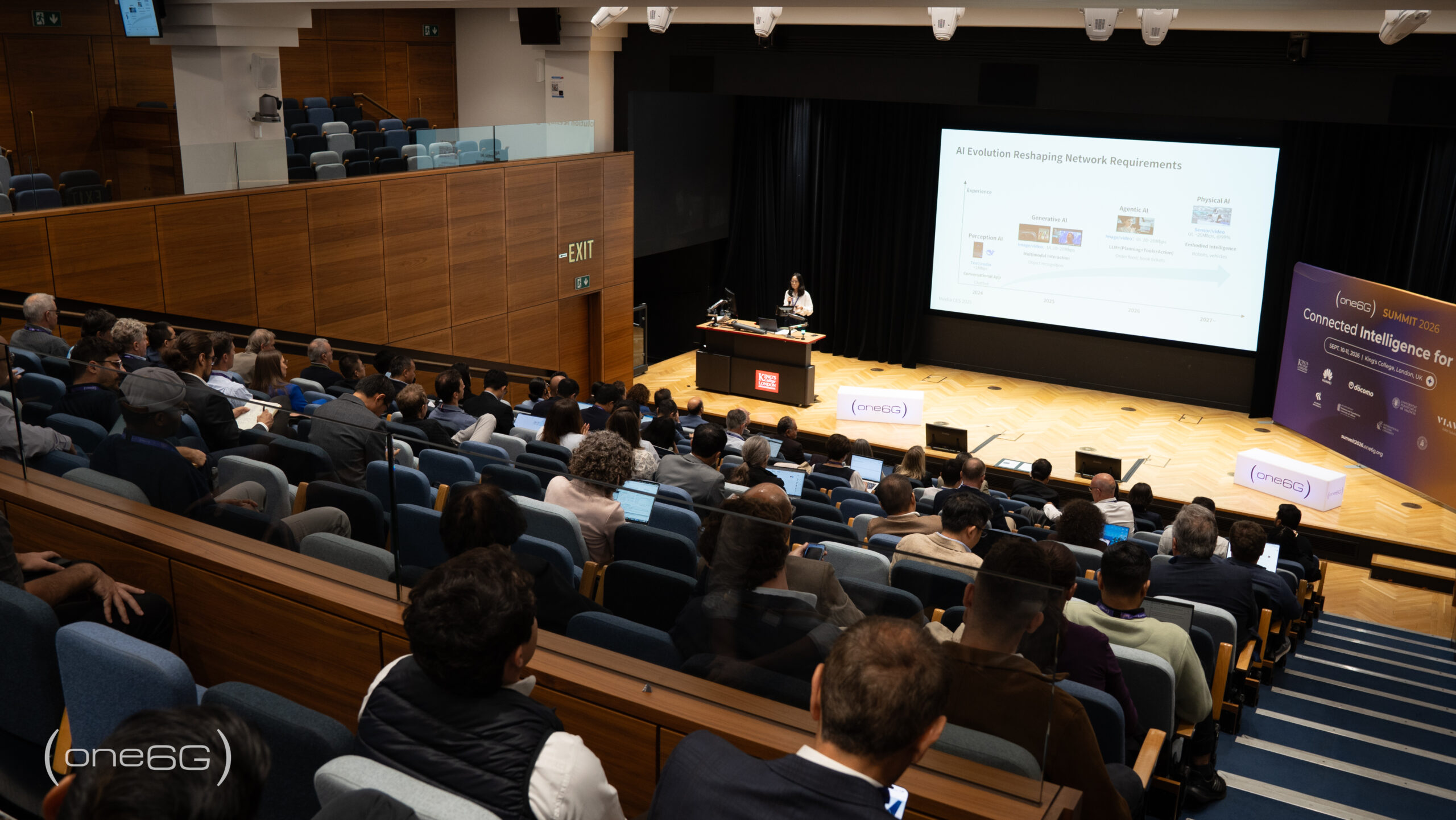
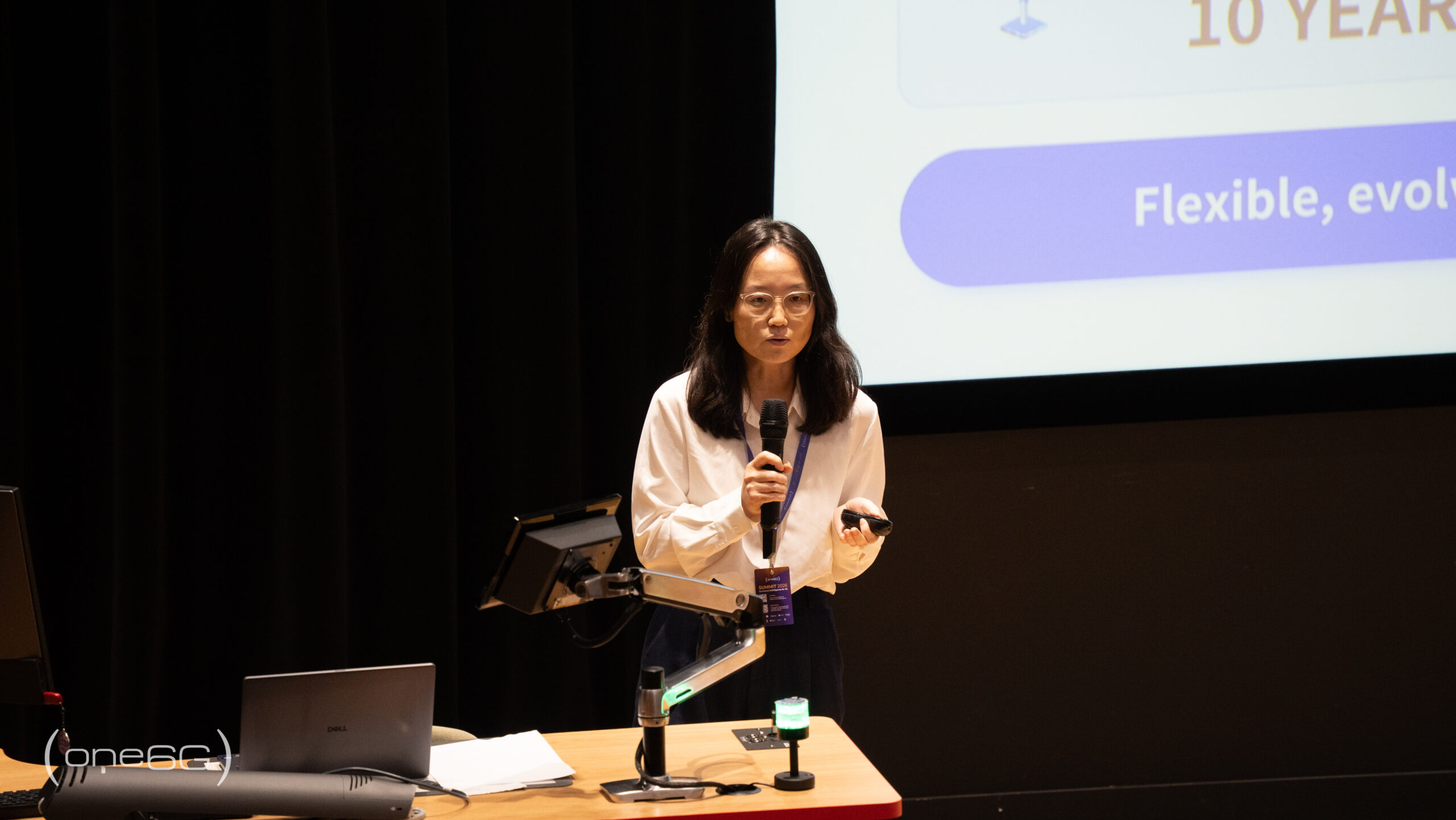
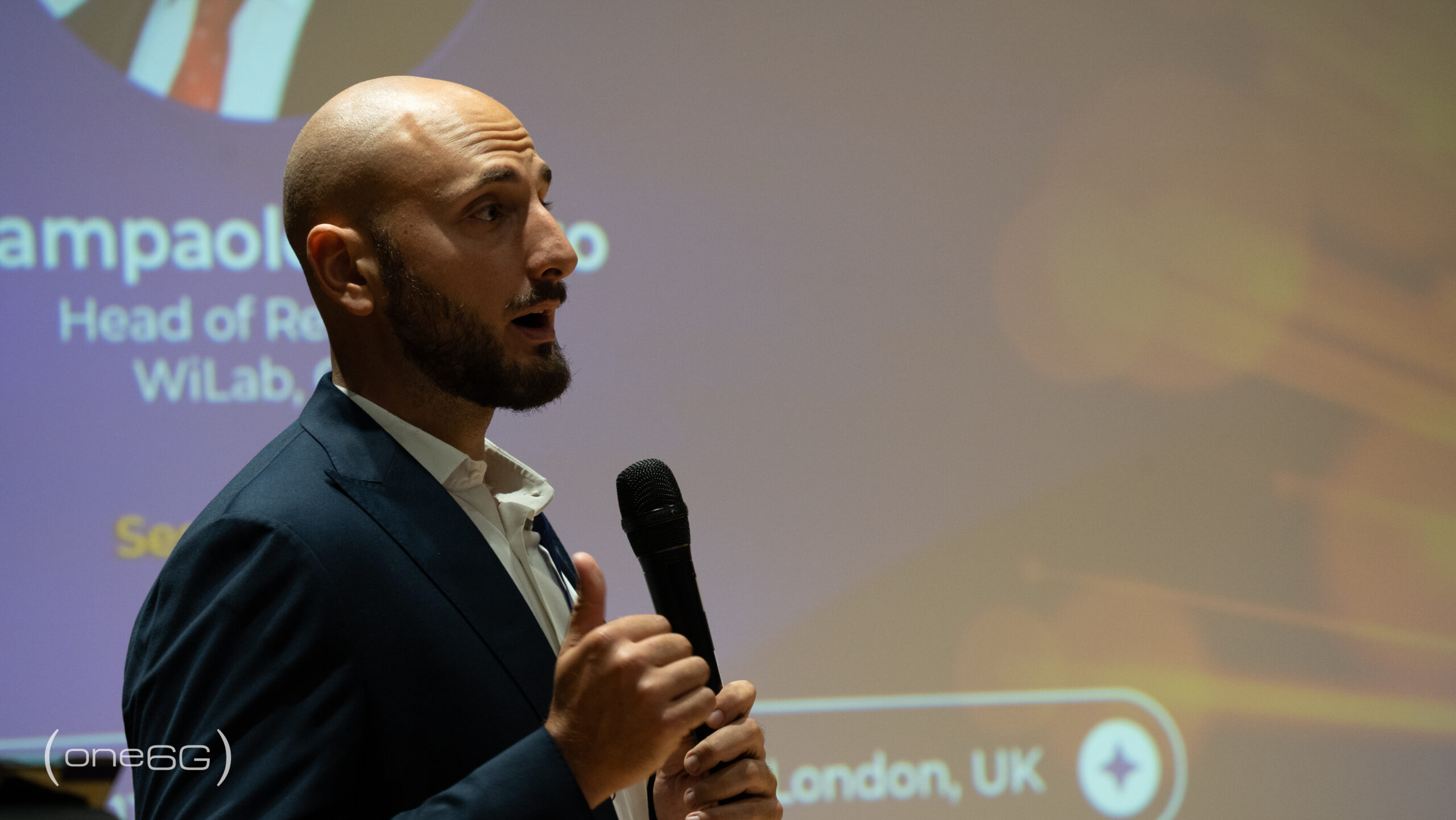
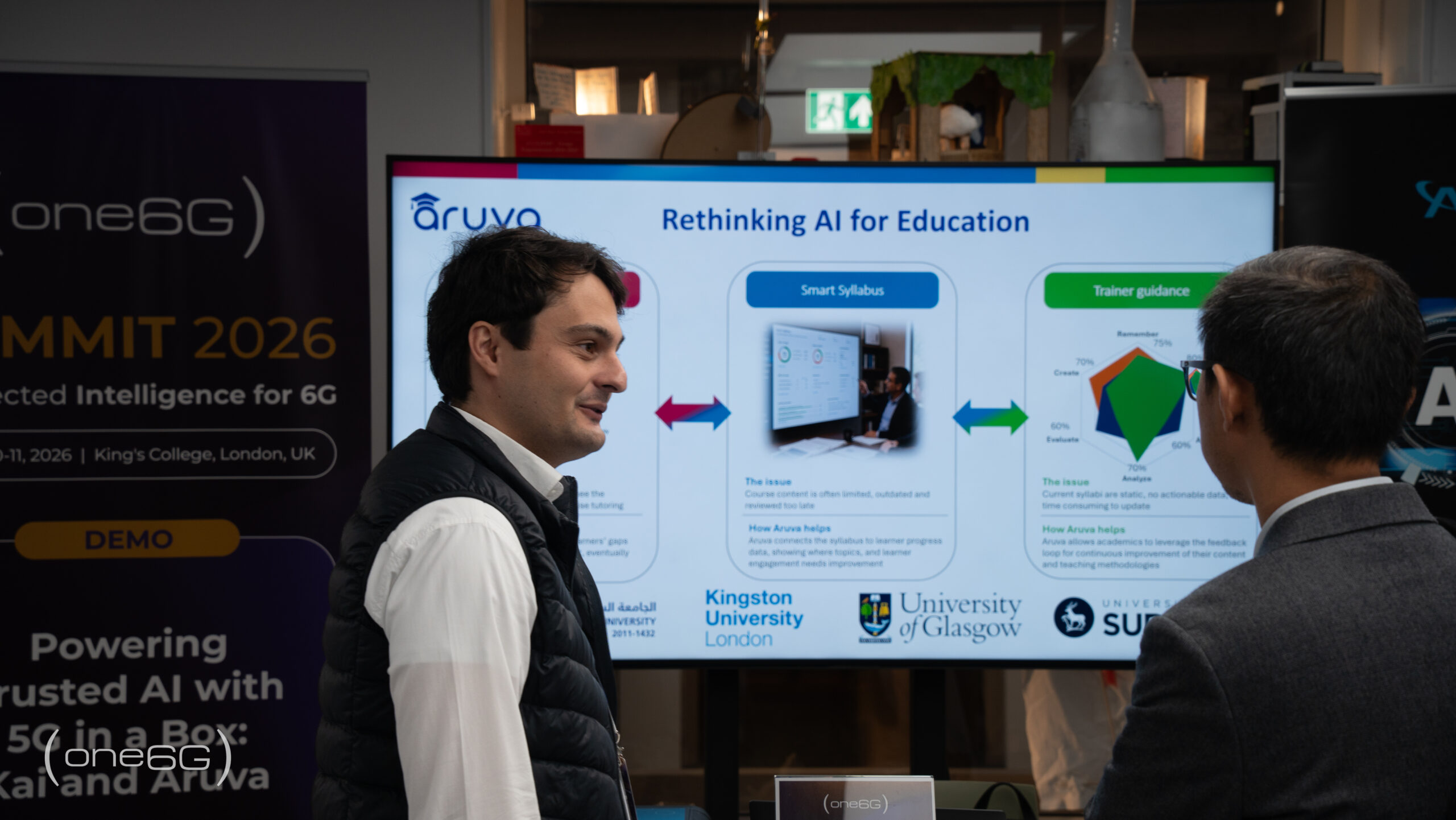
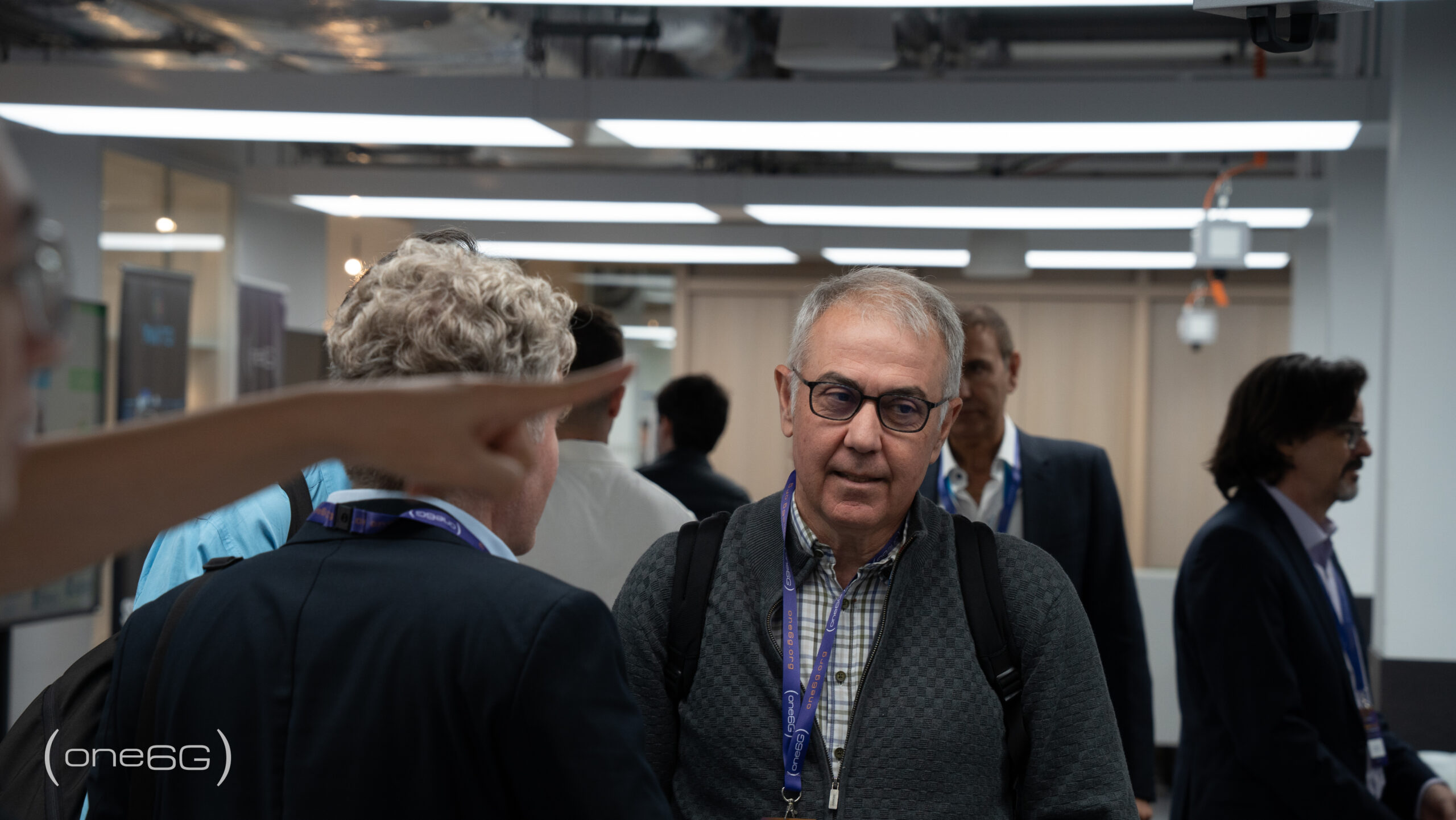
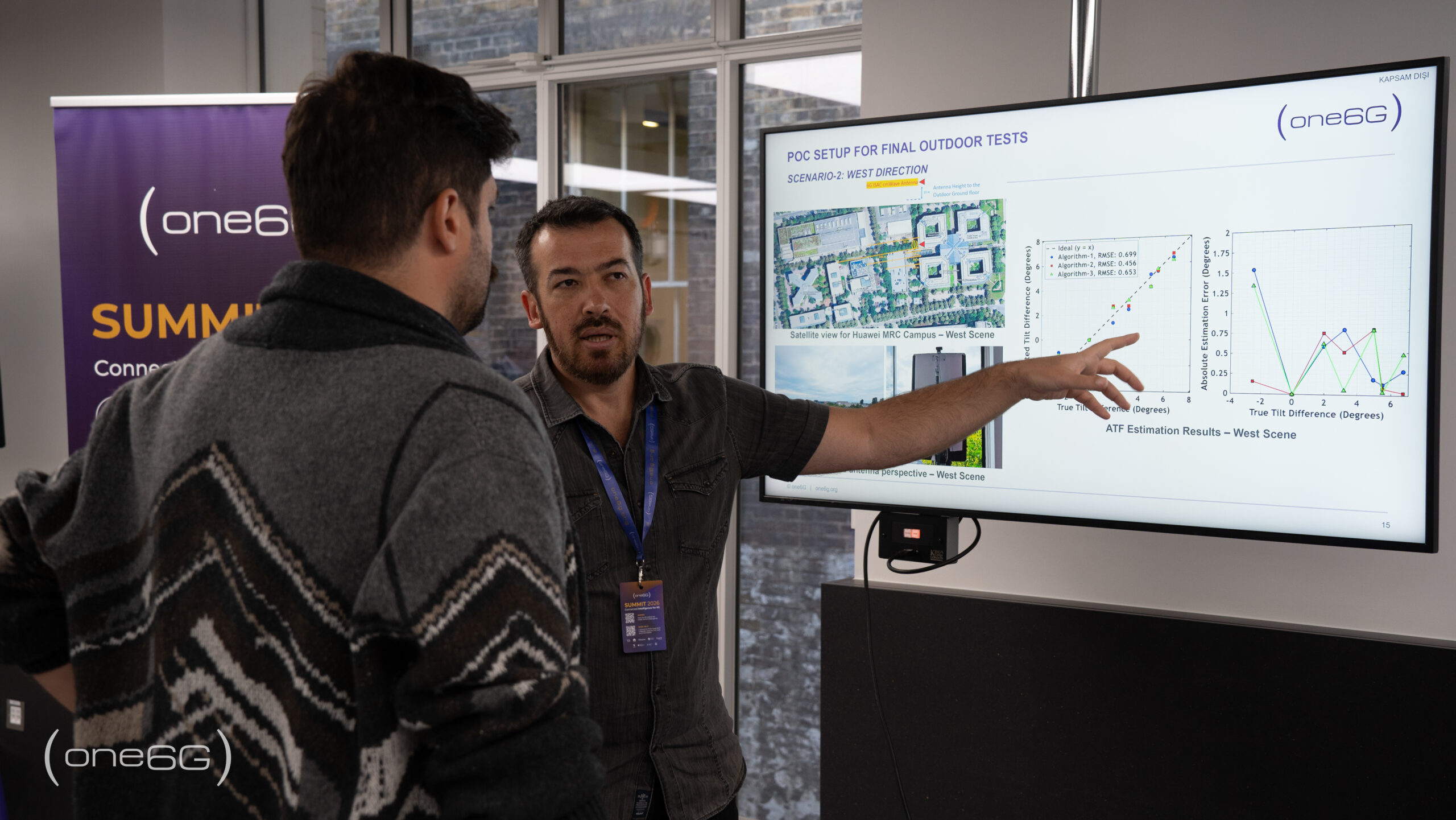
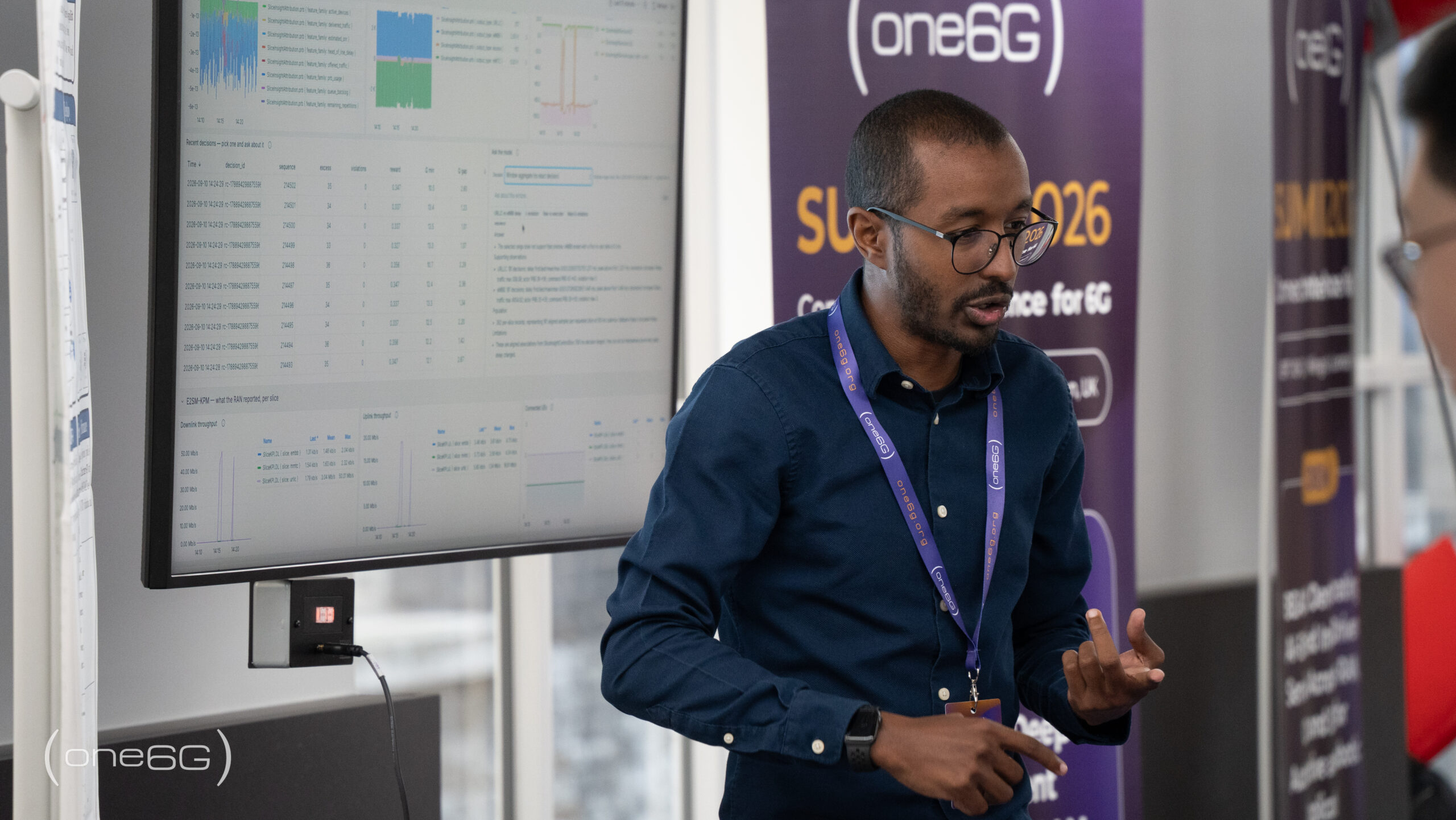
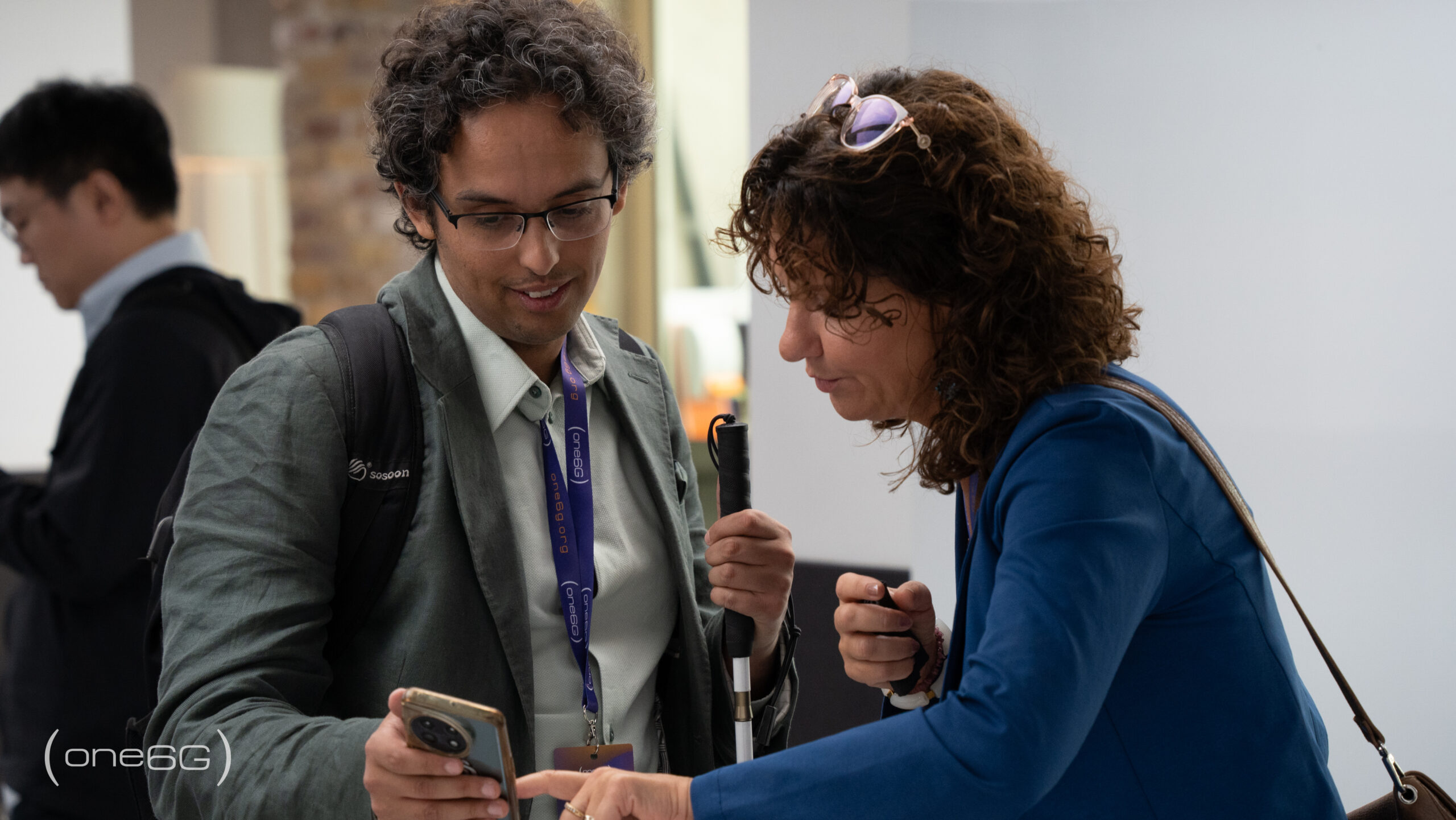
Midday featured an energetic showcase where demos were pitched on the main stage during a session chaired by Dr. Giampaolo Cuozzo of WiLab, CNIT, before being presented up close during the networking demo lunch.
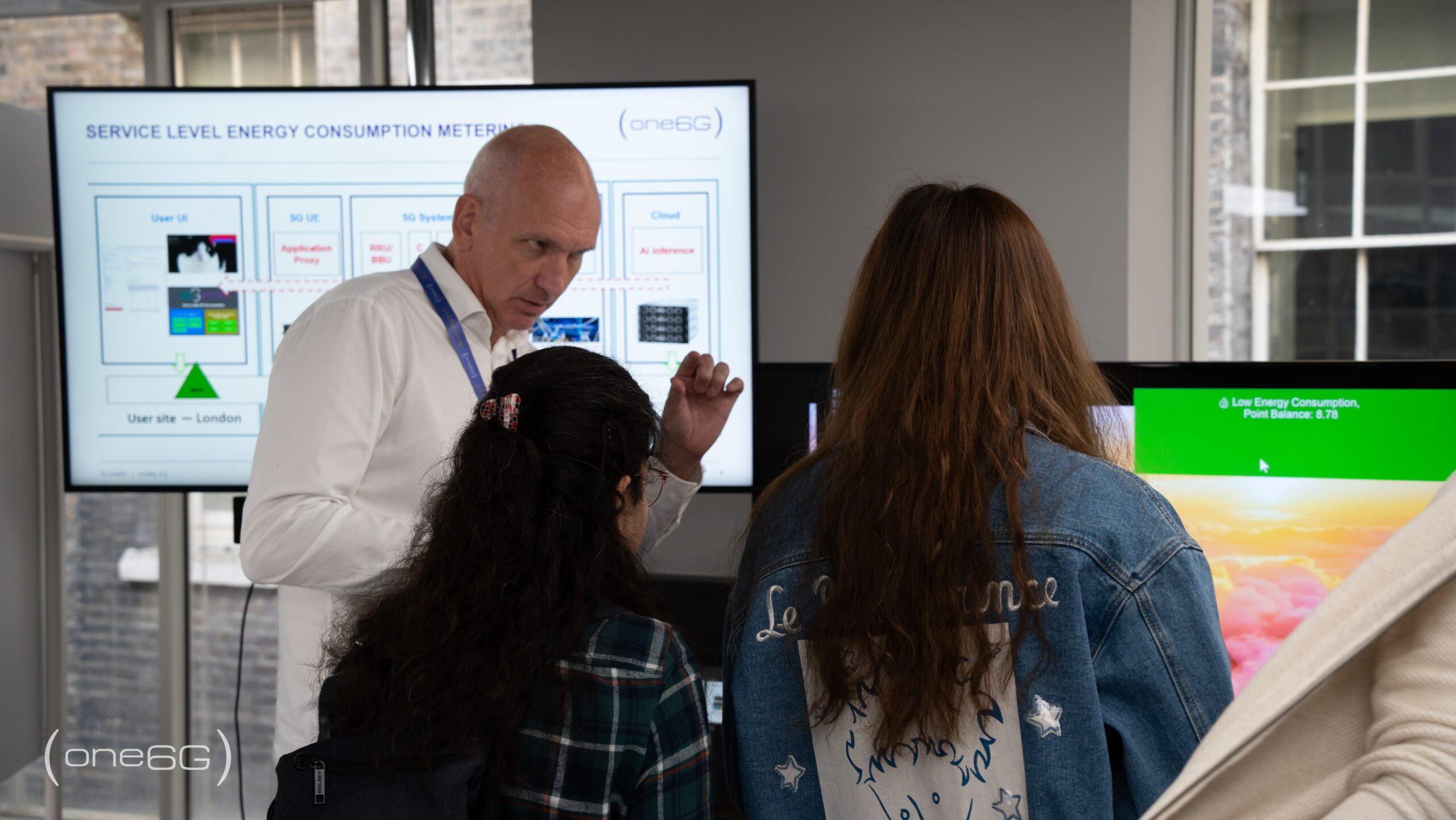
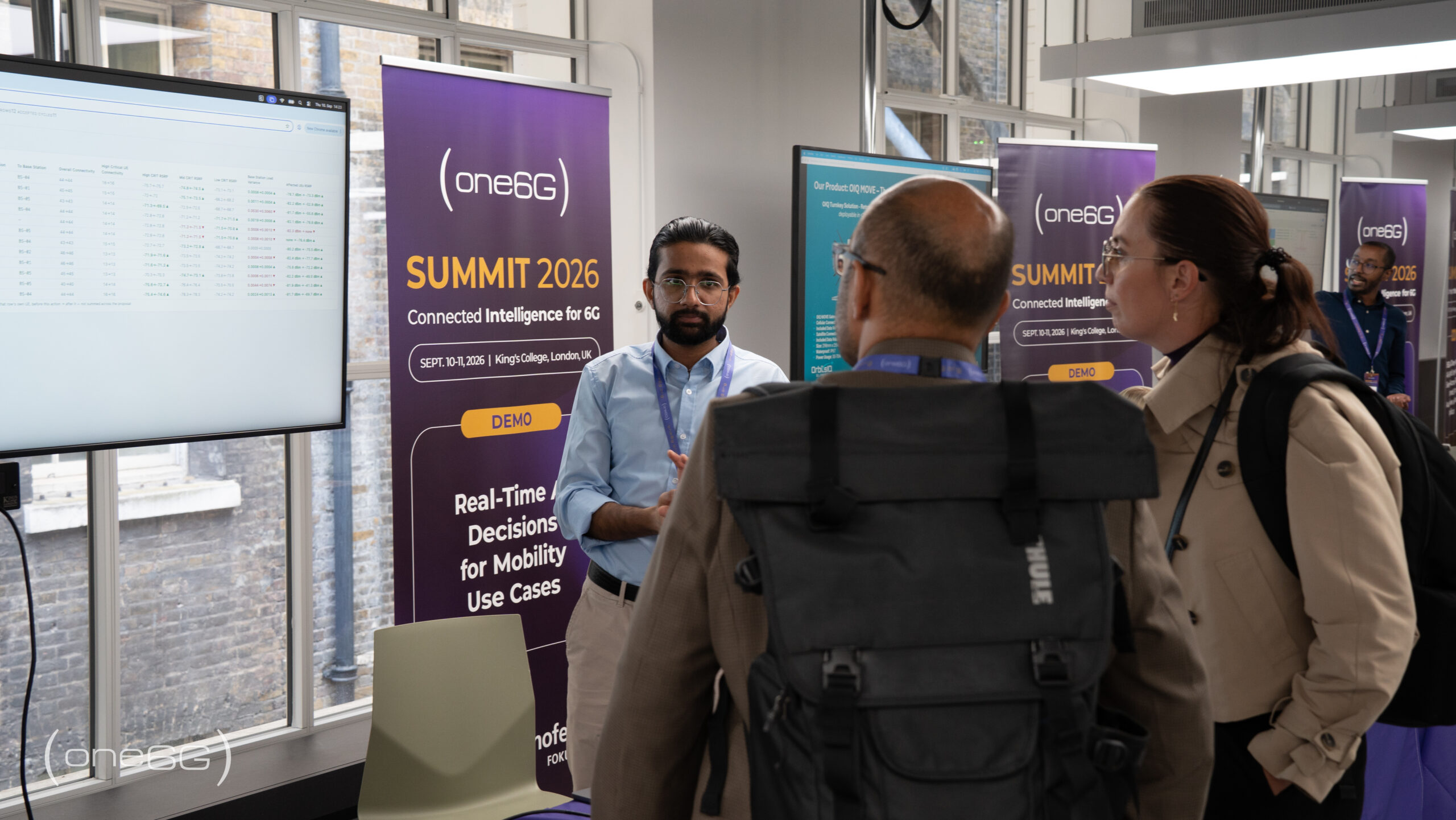
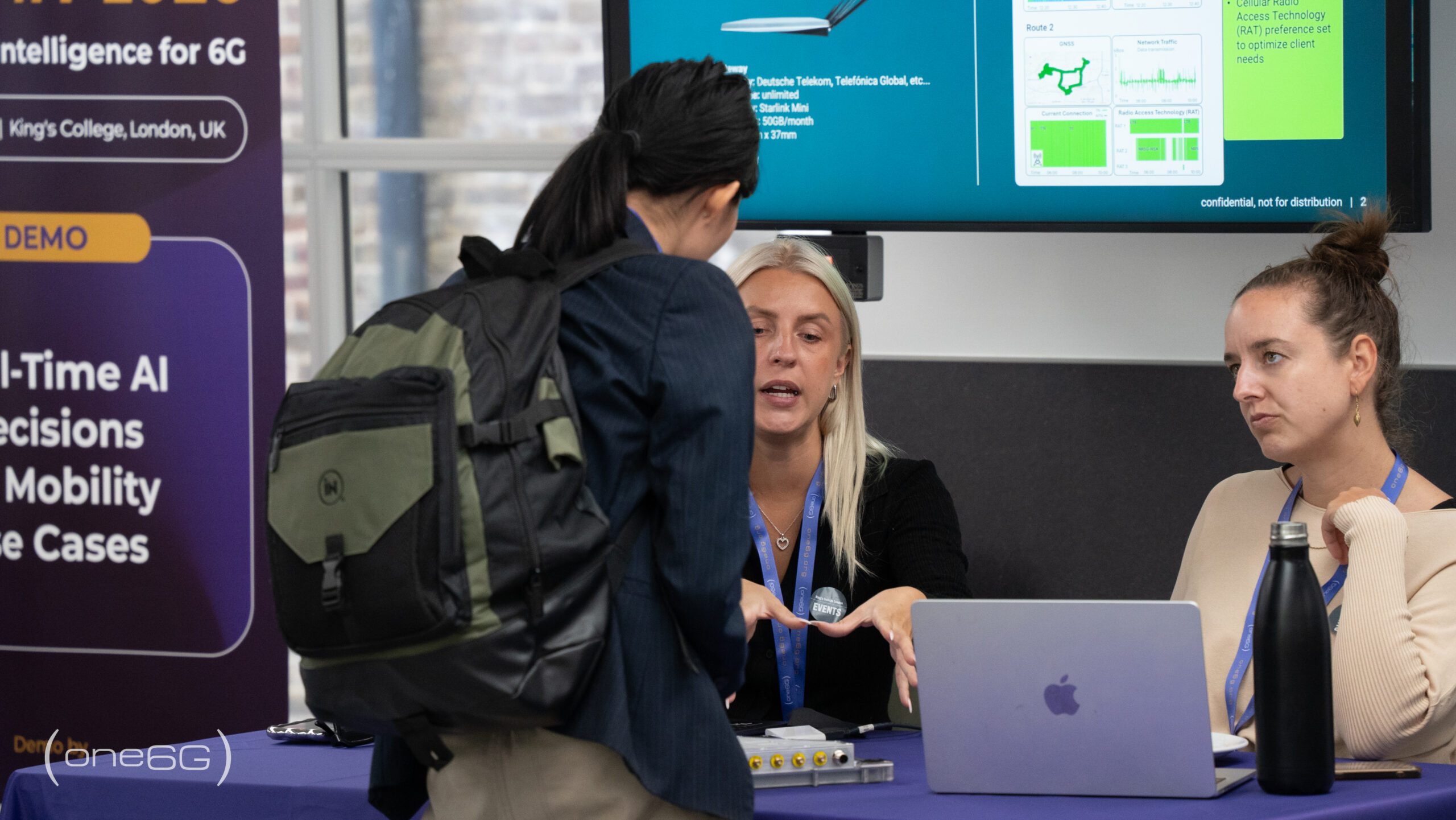
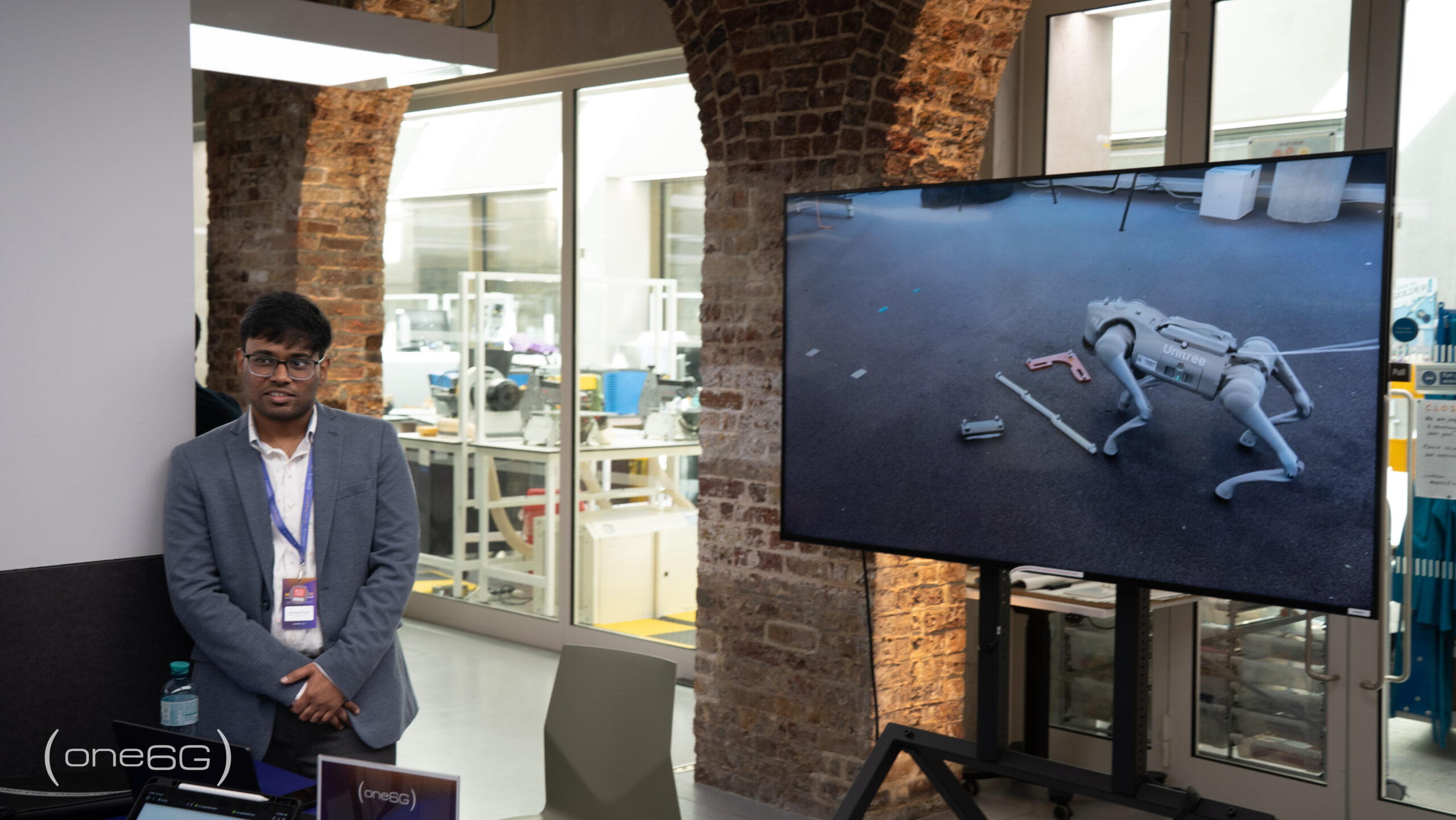
The afternoon began with a keynote address by Dr. Wen Tong, CTO of Huawei Wireless, titled “The Rollout of Net4AI in 6G”, which detailed the optimization of radio access and core networks for Agentic-AI and physical AI enablers.
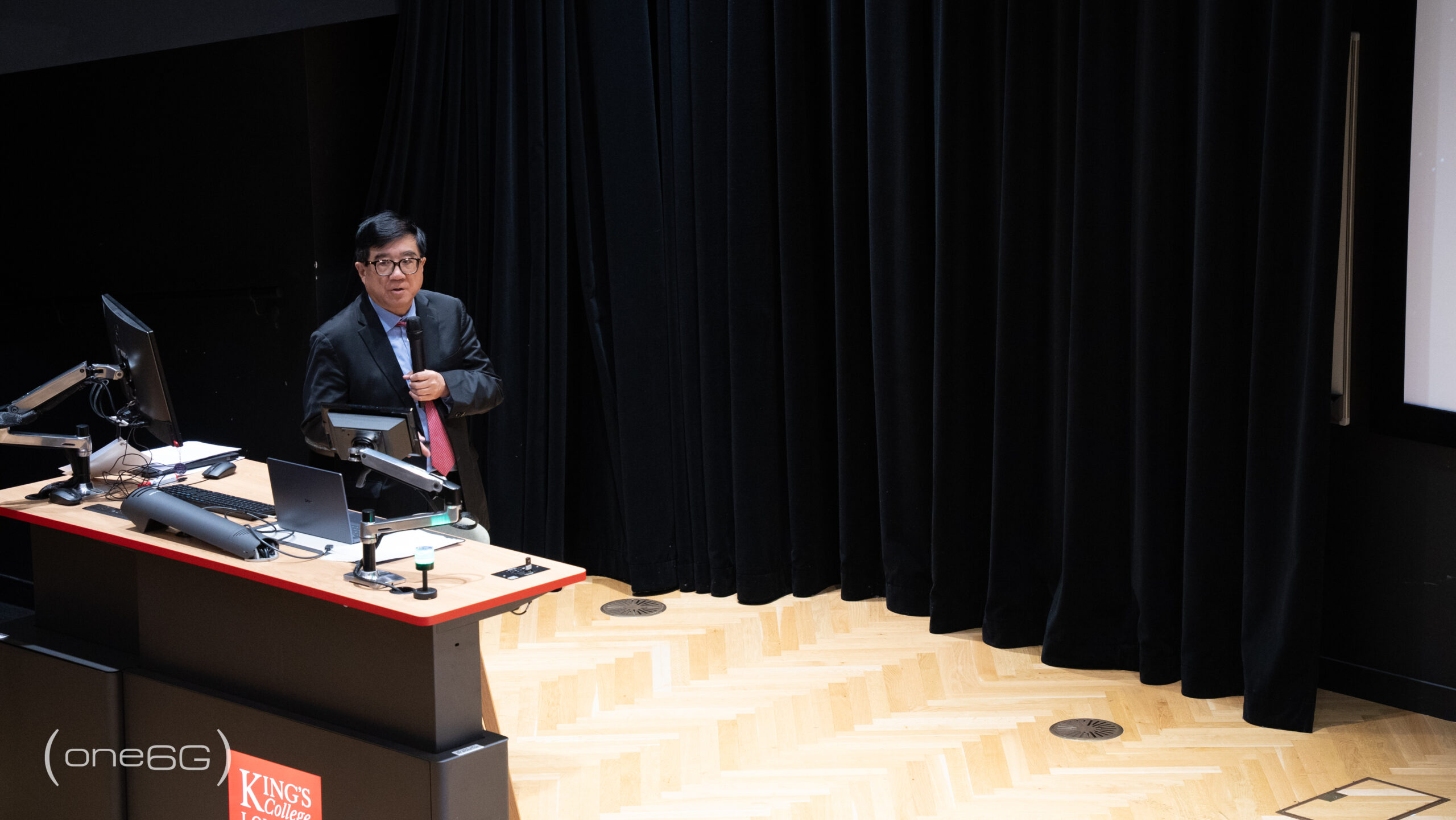
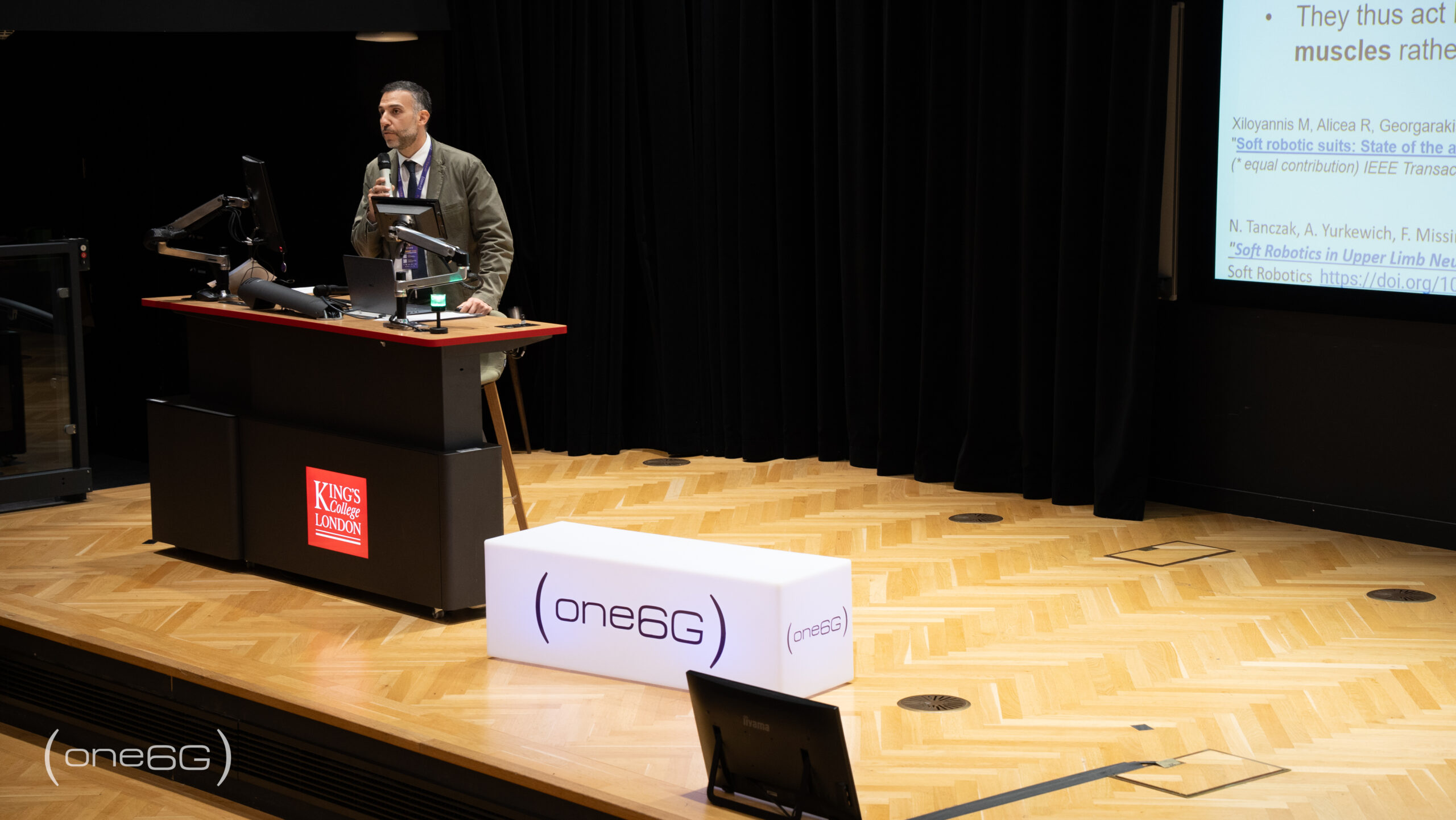
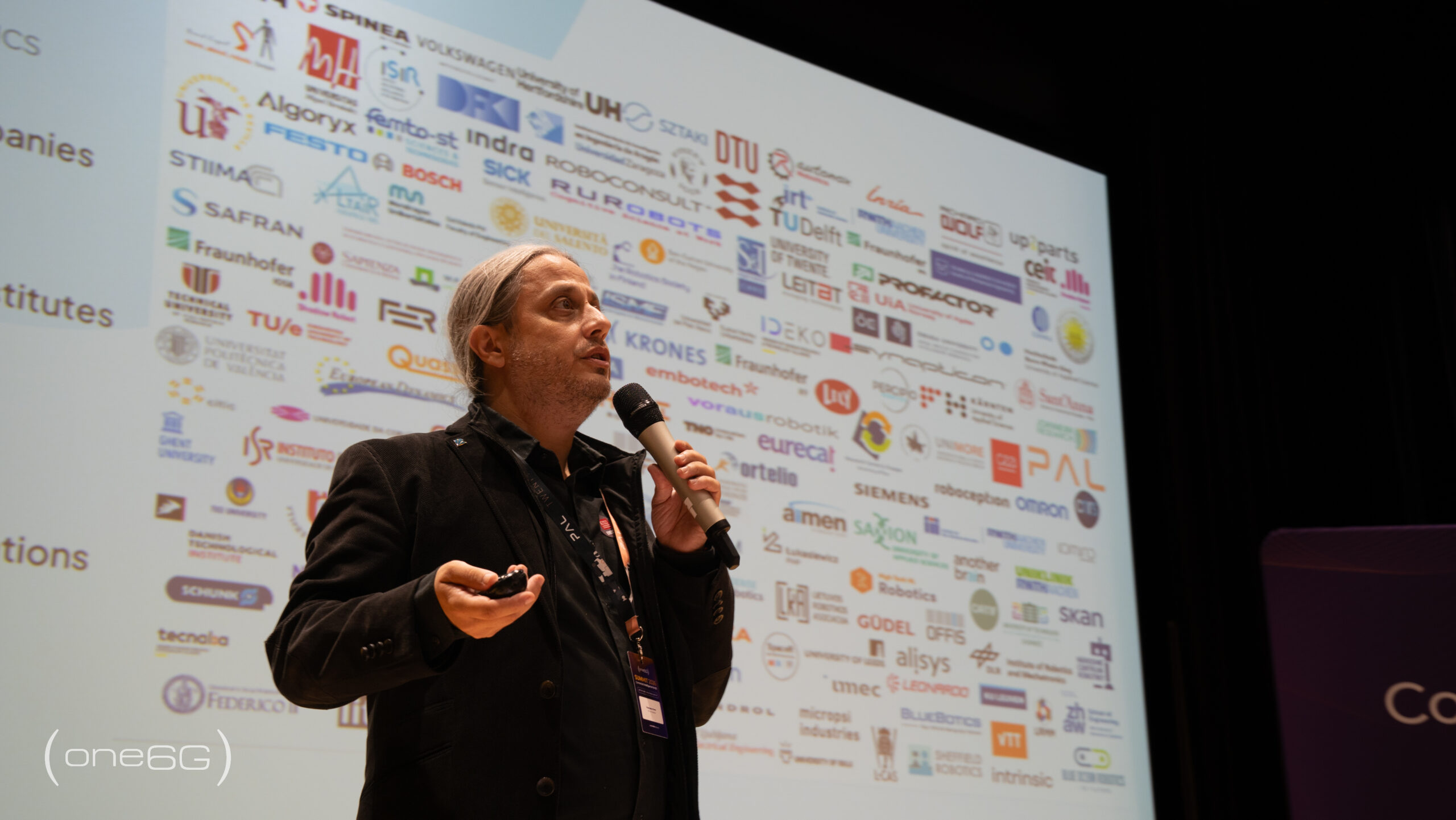
This was followed by a deep dive into embodied AI systems chaired by Prof. Narcís Cardona, Vice-Chair of one6G and Director at iTEAM. Presentations by Dr. Lorenzo Masia from the Technical University of Munich, Dr. Francesco Ferro of PAL Robotics and euRobotics, and Prof. Kaspar Althoefer from Queen Mary University of London examined closed-loop control, tactile perception in soft robotics, and European physical AI visions.
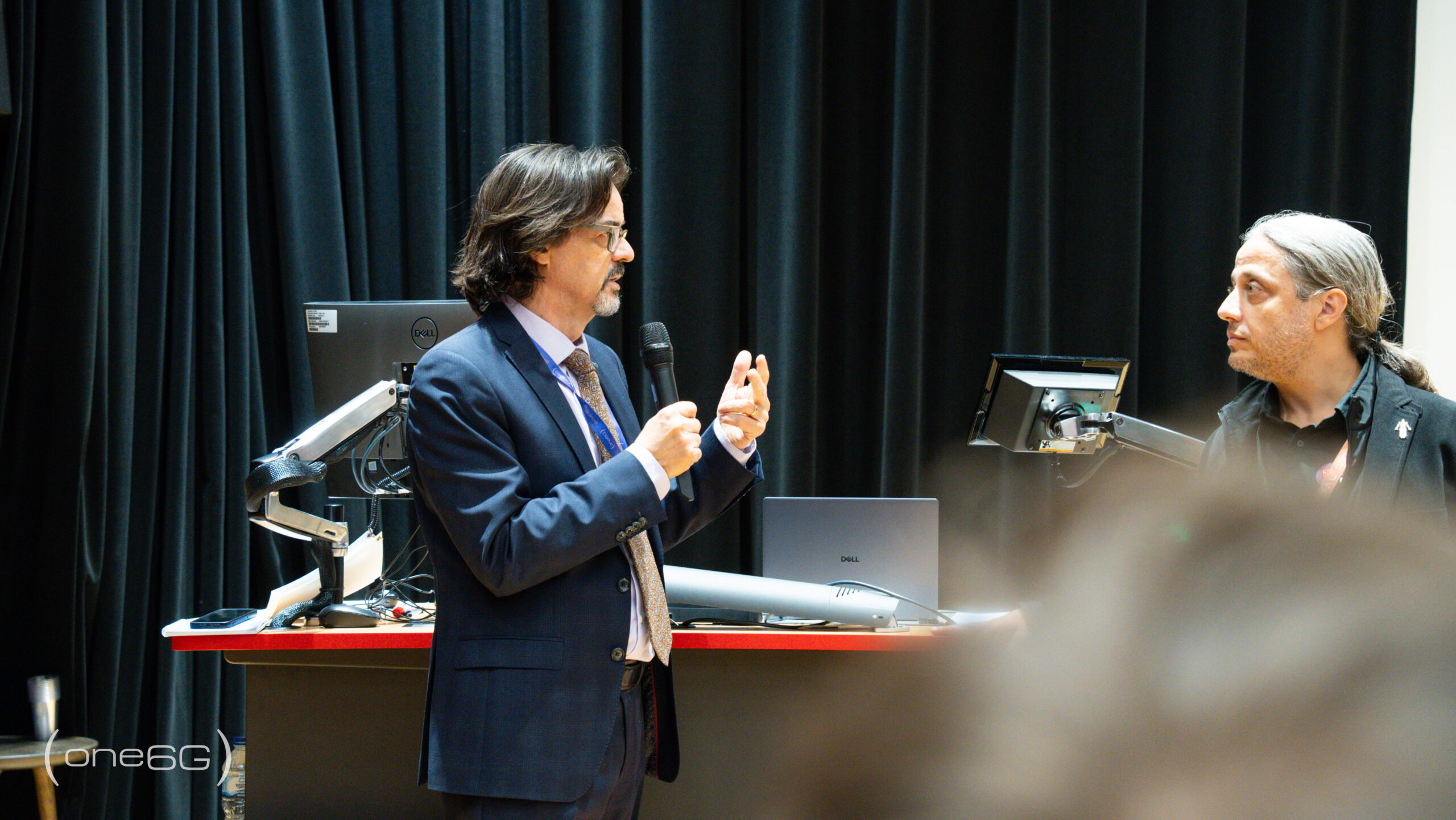
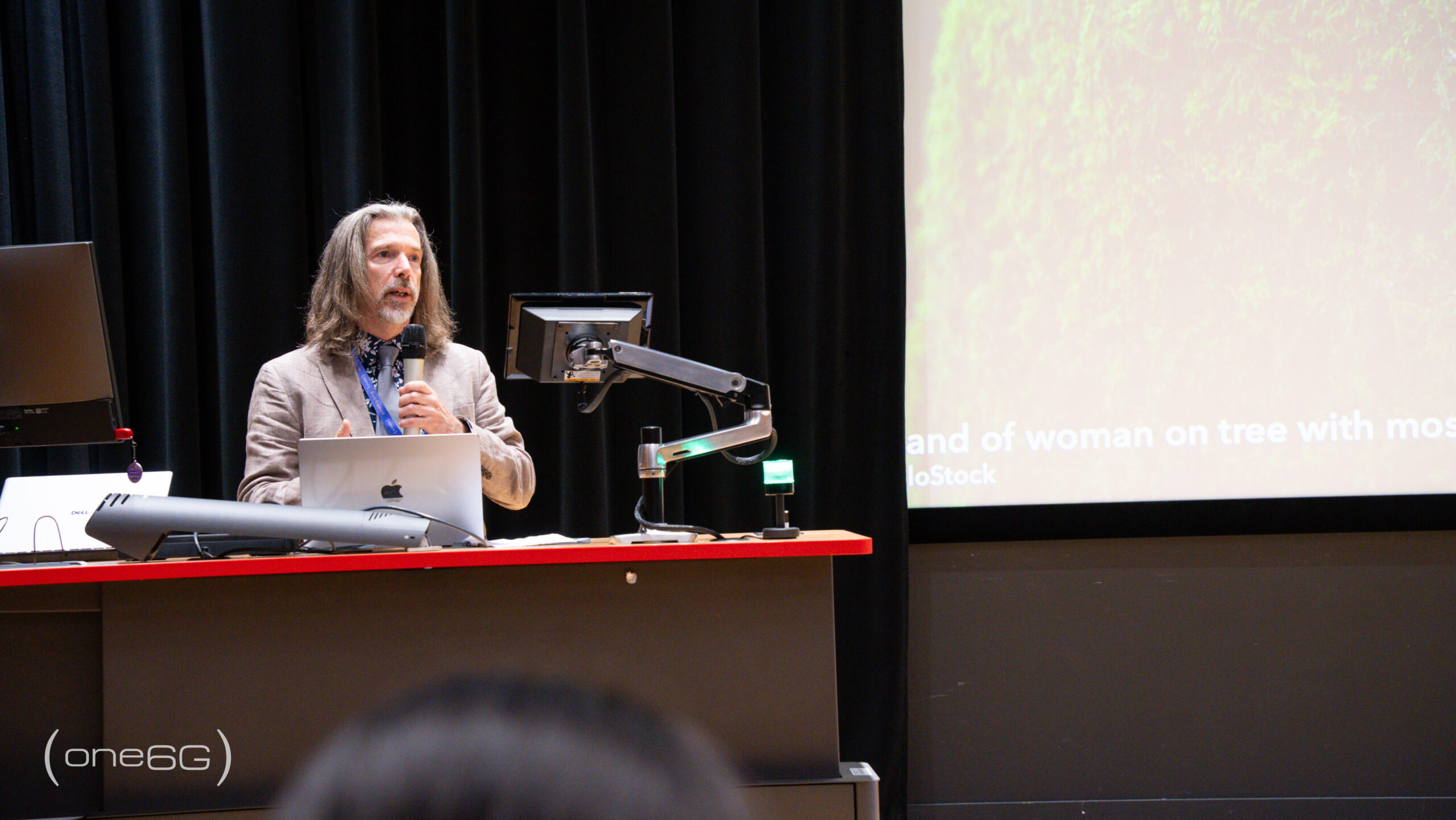
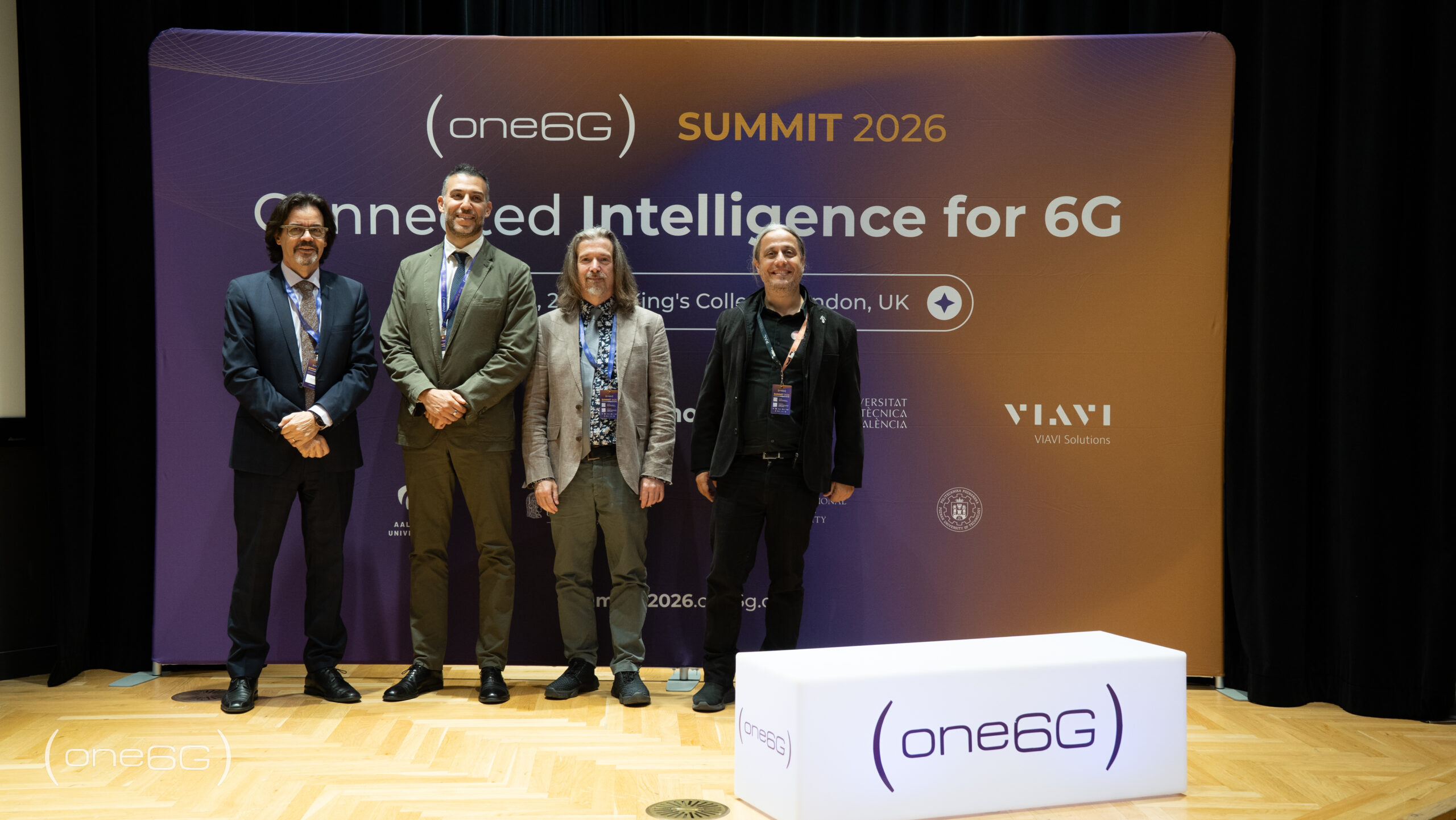
Day 1 concluded with a vendor-focused session where Dr. Jakob Hoydis from NVIDIA, Dr. Amira Alloum from Qualcomm France, Dr. Paul Harris from VIAVI Solutions, and Dr. Adnan Aijaz from Toshiba Europe addressed agentic automation, semantic communications, and the testing required to validate AI-native systems before live deployment.
Highlights from Day 2
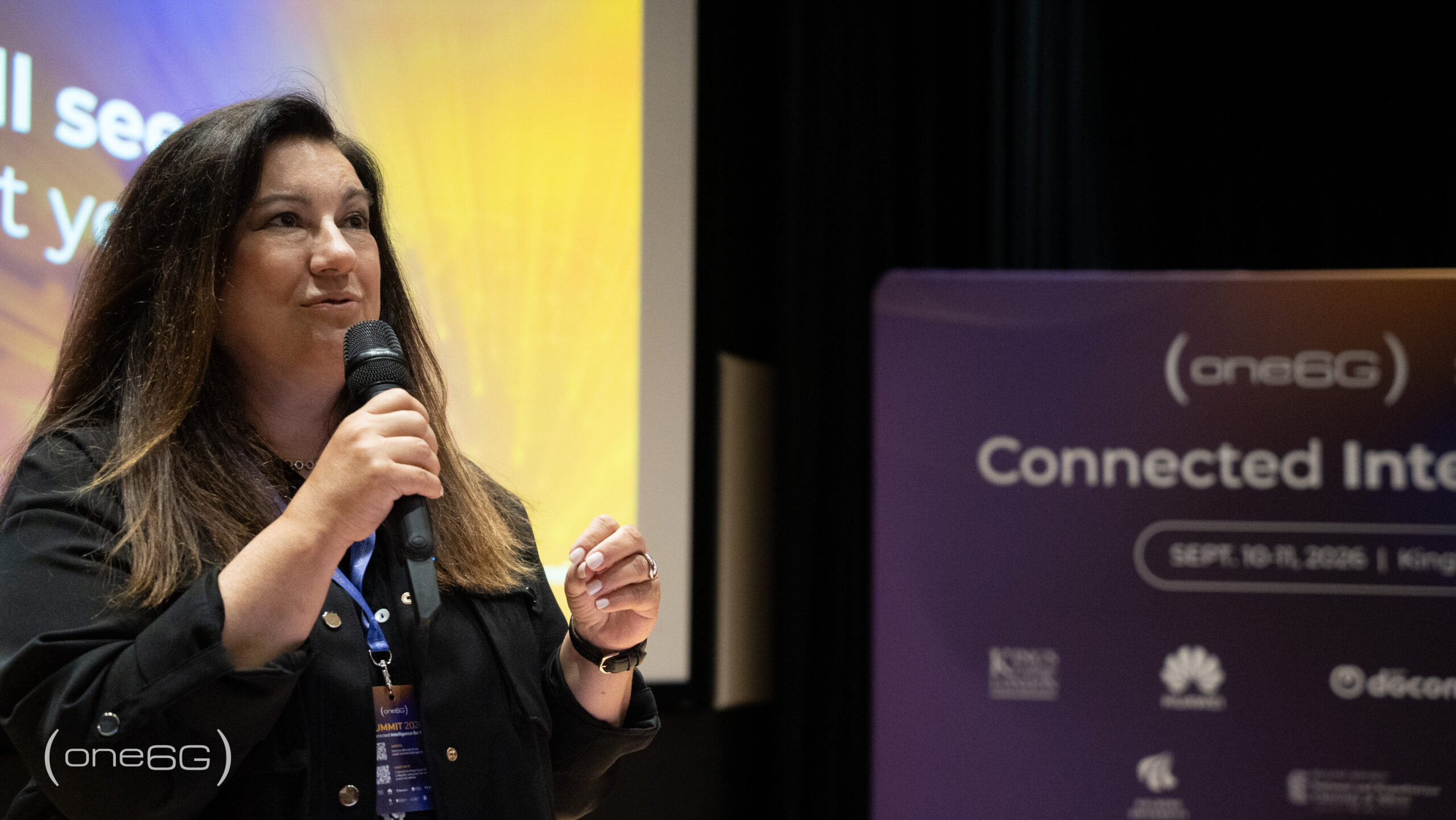
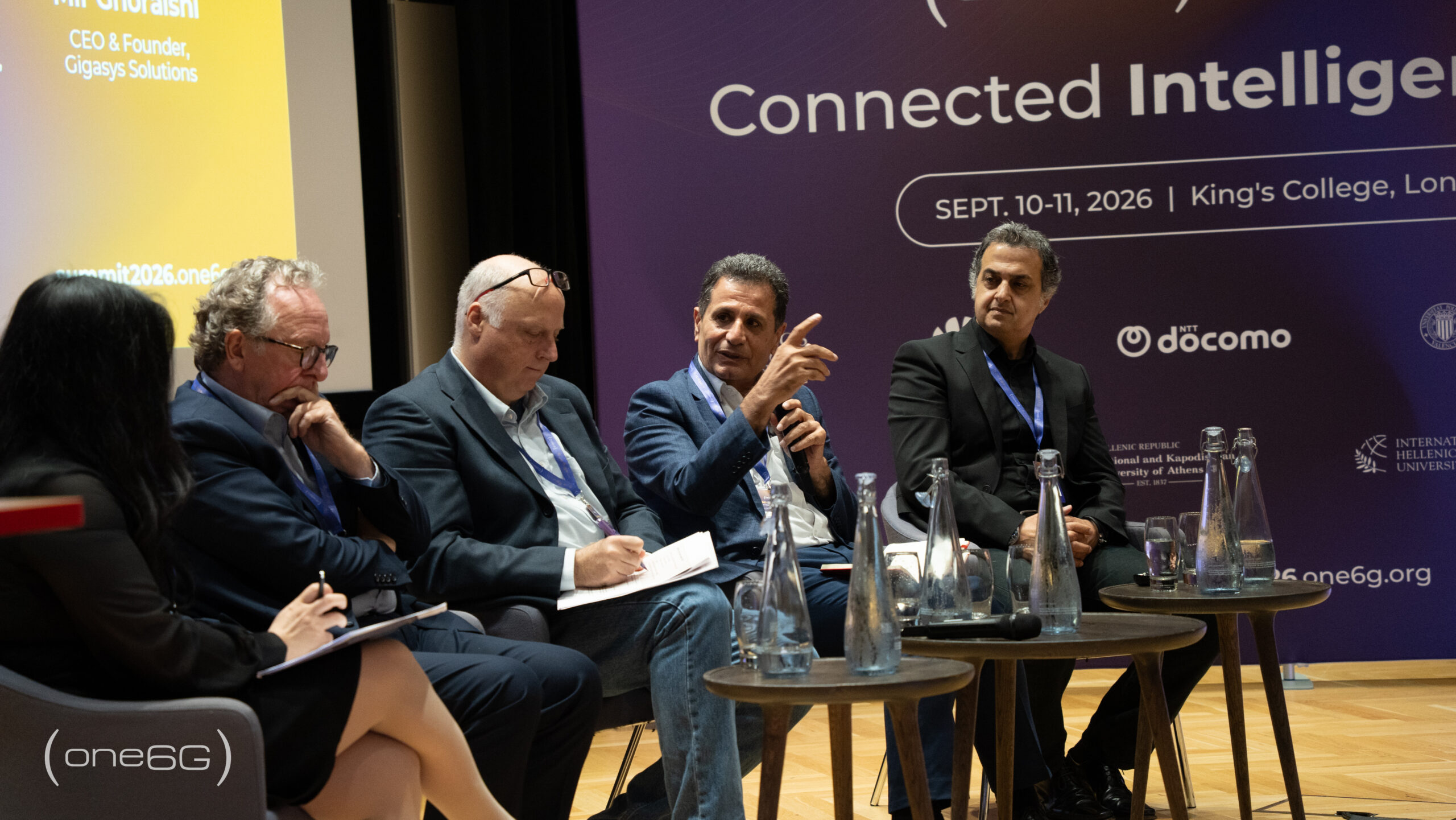
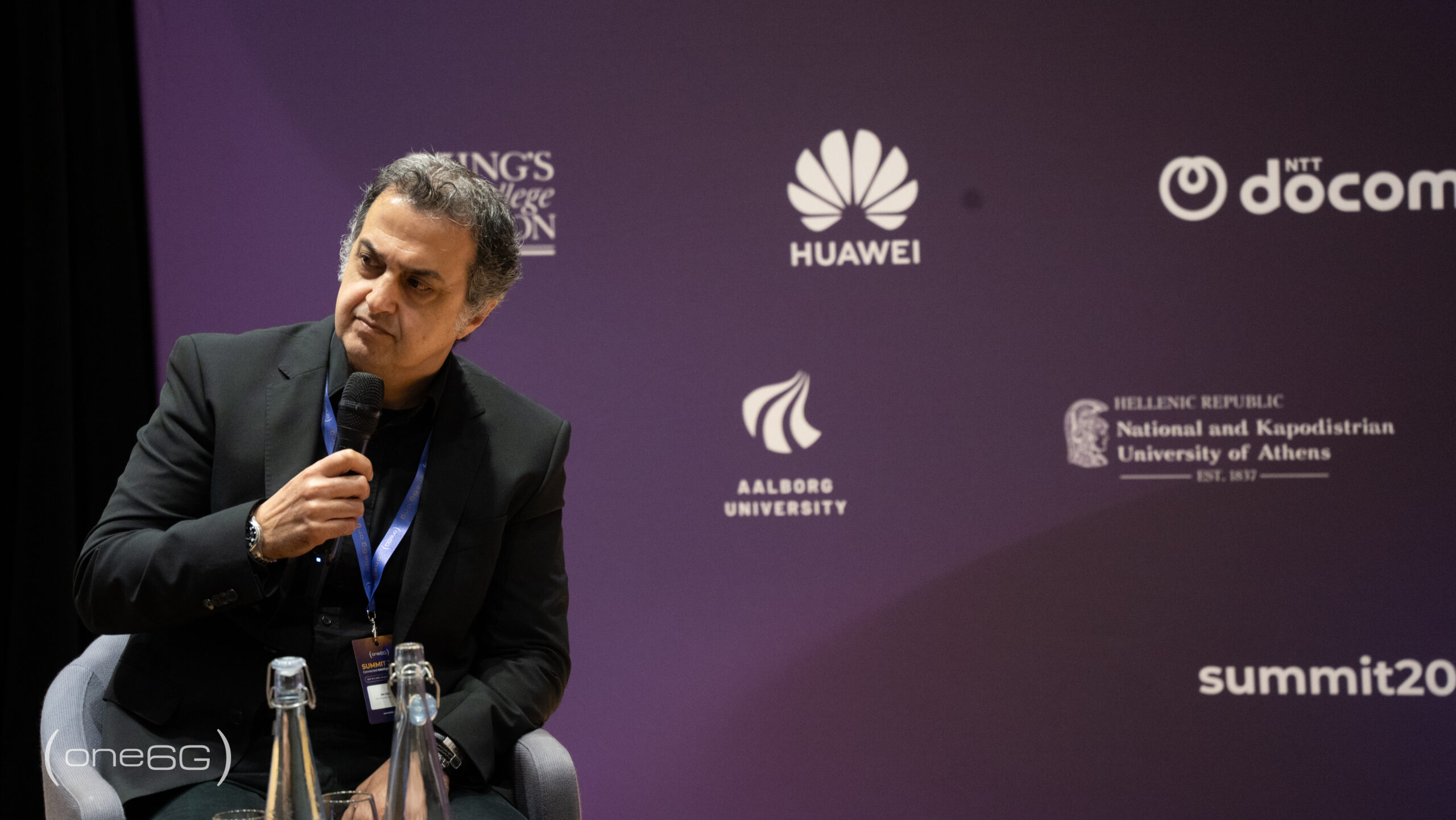
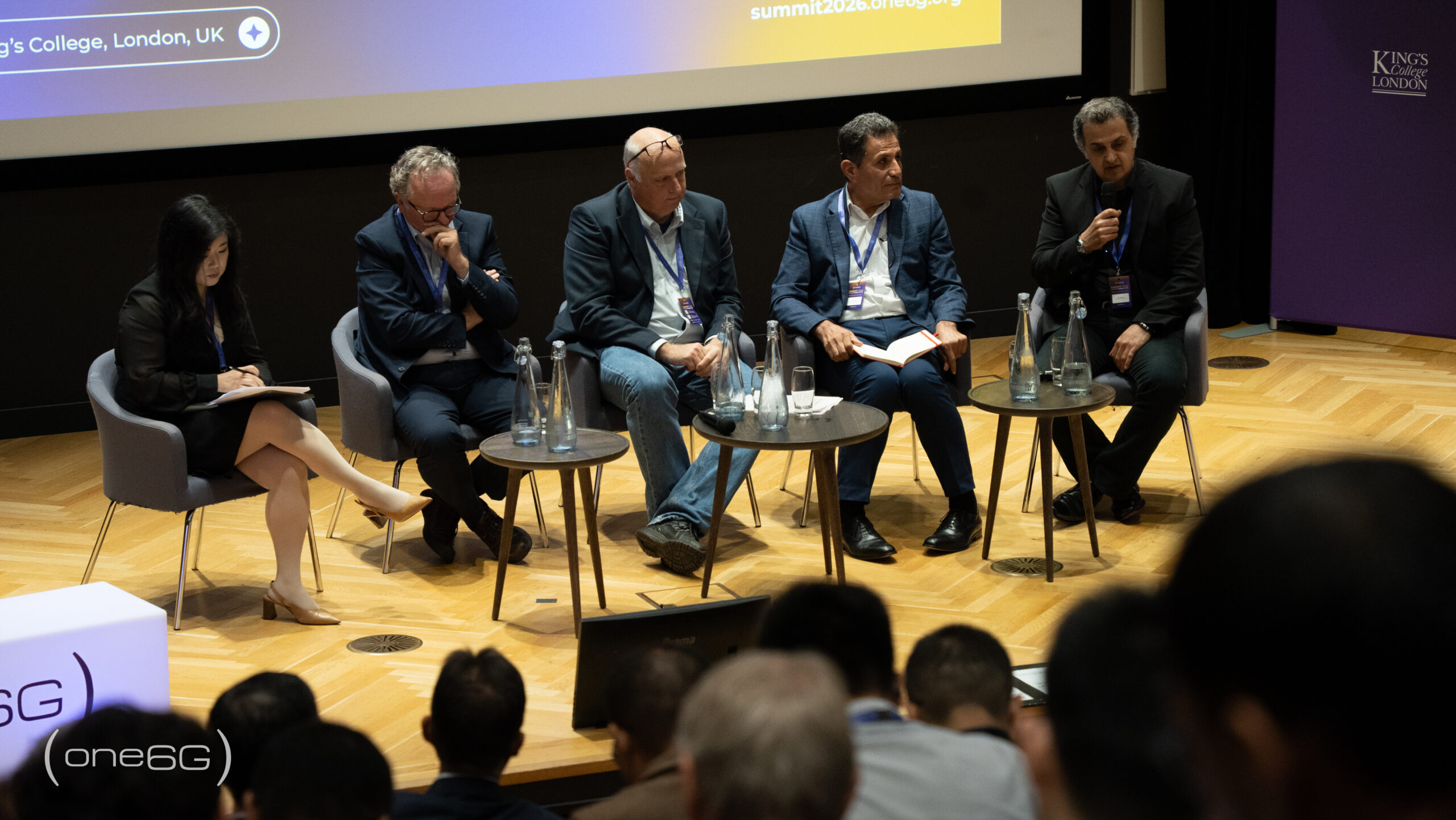
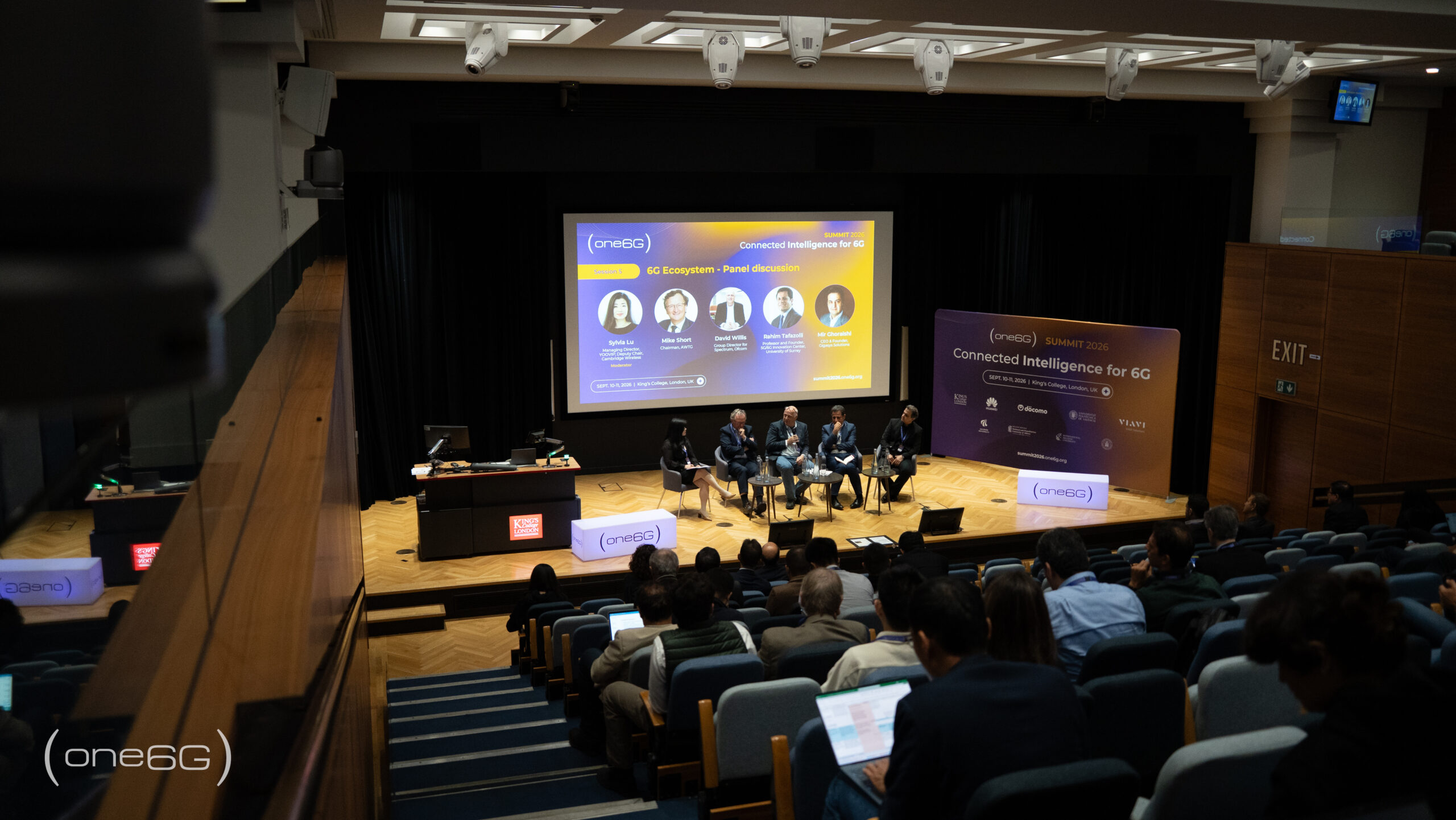
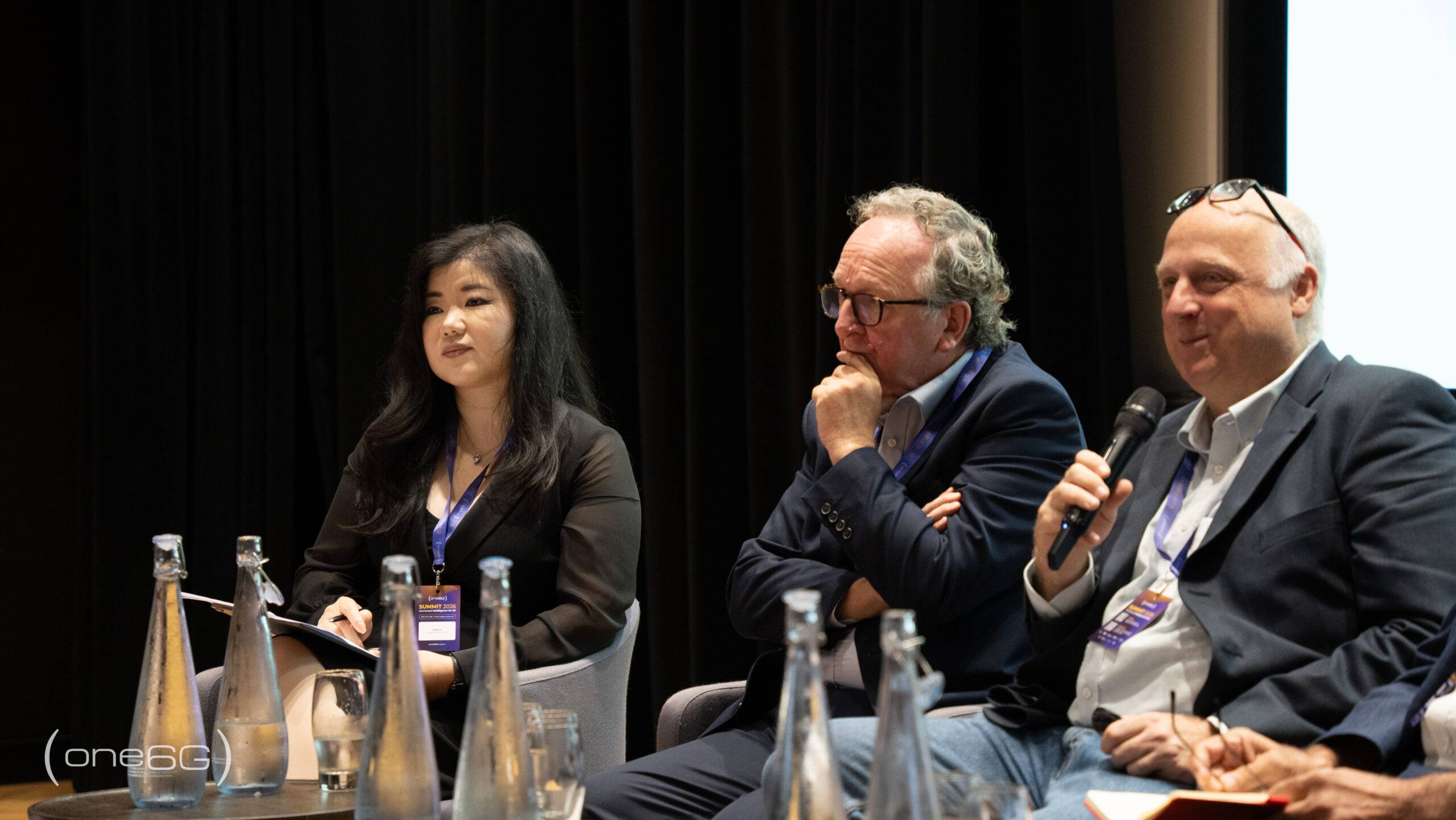
Day 2 opened with welcome remarks from Dr. Monique Calisti, Prof. Nancy Alonistioti, and Prof. Mohammad Shikh-Bahaei, leading directly into an ecosystem panel discussion moderated by Sylvia Lu, Managing Director at YOOVIP and Deputy Chair of Cambridge Wireless. Panellists Dr. Mike Short from AWTG, David Willis from Ofcom, Prof. Rahim Tafazolli from the University of Surrey’s 5G/6G Innovation Center, and Dr. Mir Ghoraishi from Gigasys Solutions discussed the cross-industry collaboration required between operators, cloud providers, and regulators to build intelligent, service-centric networks.
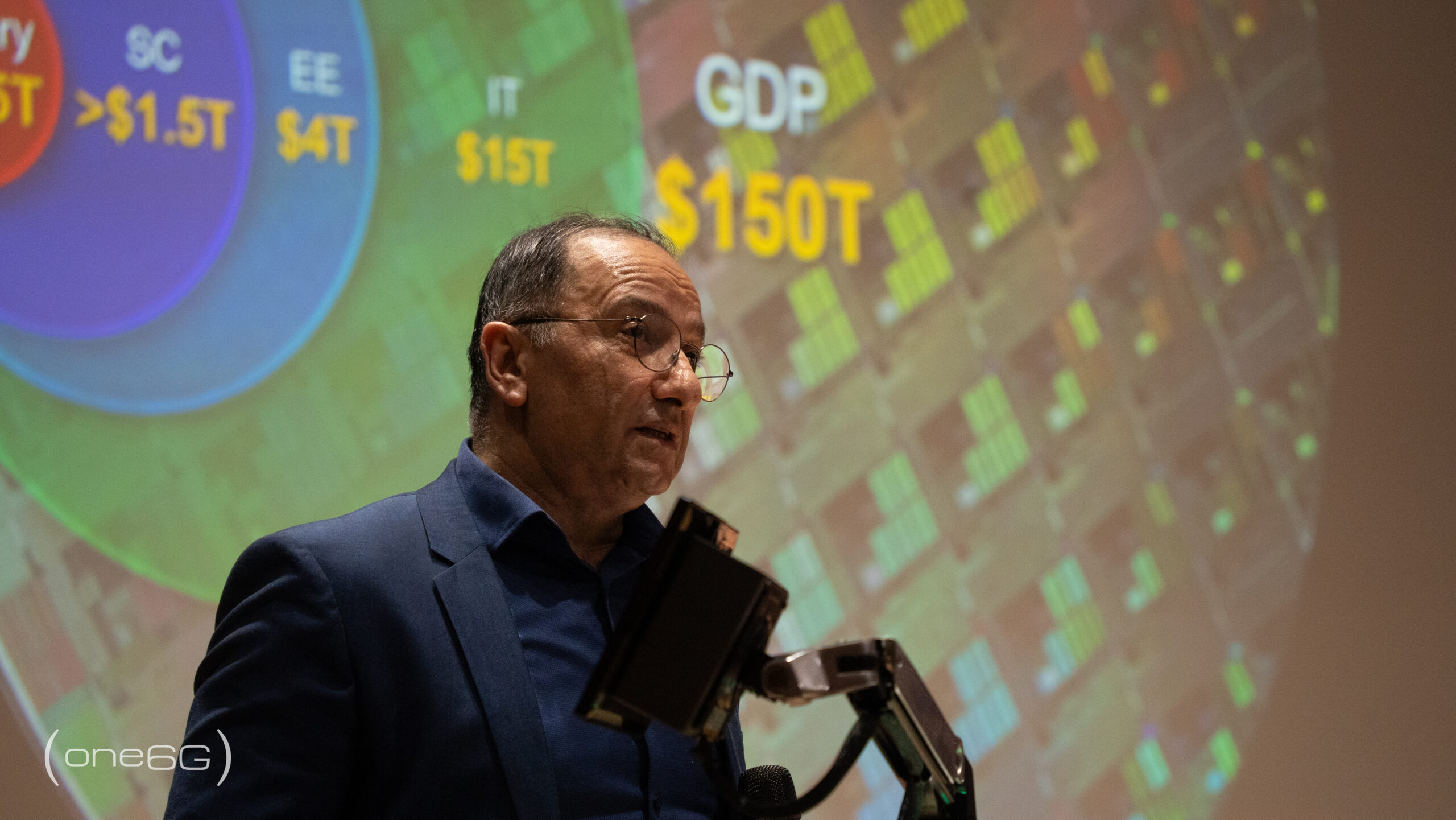
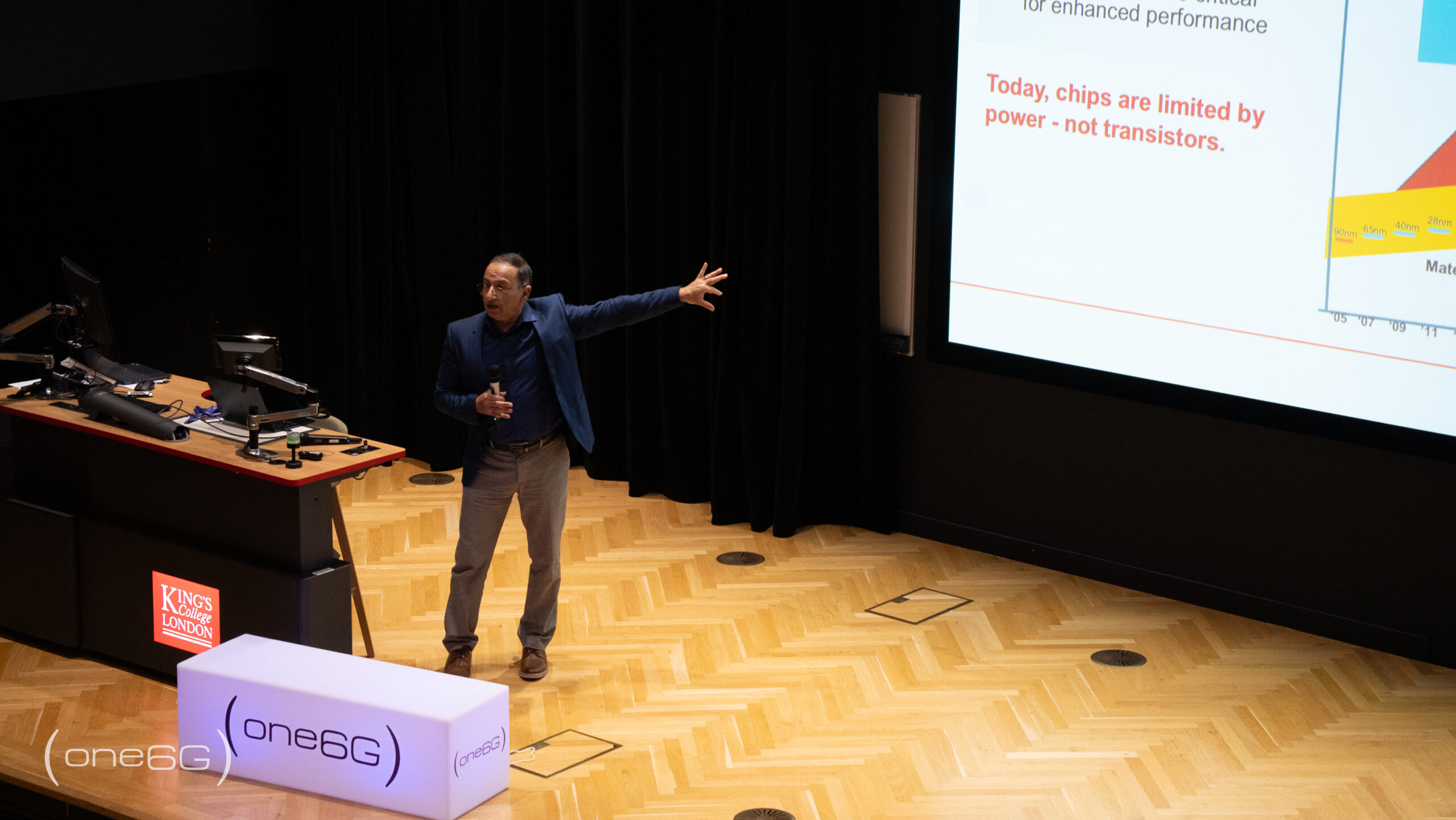
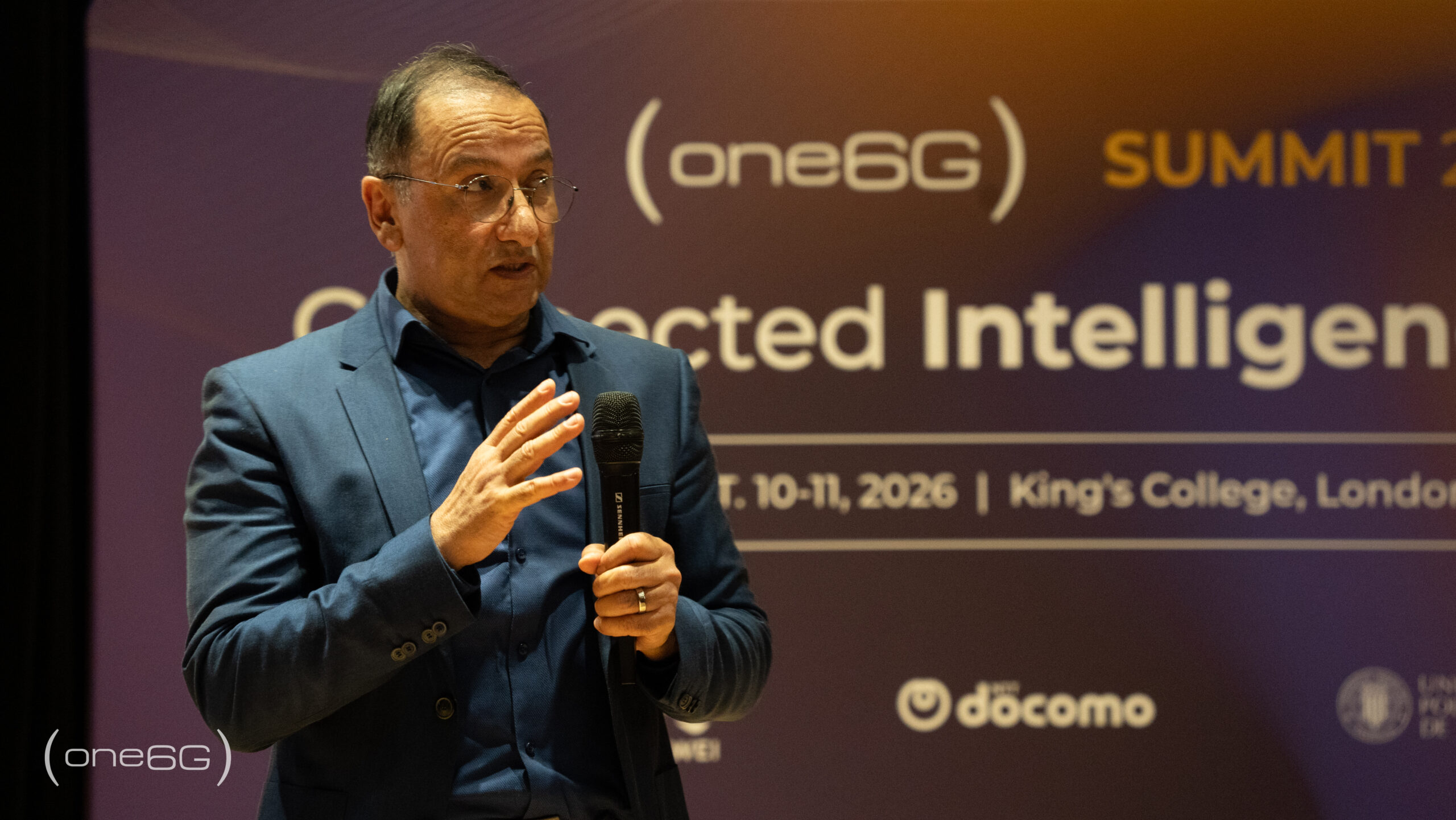
Dr. Ahmad Bahai, Senior Vice President and CTO of Texas Instruments, then delivered a keynote titled “Intelligent Connectivity Fabric of the Future”, exploring how breakthroughs in semiconductor technologies and heterogeneous integration shape the intersection of hardware, AI, and wireless communications.
Academic leadership took center stage during the late morning session chaired by Prof. Toktam Mahmoodi of King’s College London. Prof. Geoffrey Li from Imperial College London reflected on ten years of deep learning in wireless, Prof. Jun Zhang from HKUST introduced multi-modal foundation models for joint sensing and communication, and Prof. Haris Gačanin from RWTH Aachen University outlined the future of energy-efficient AI computing.
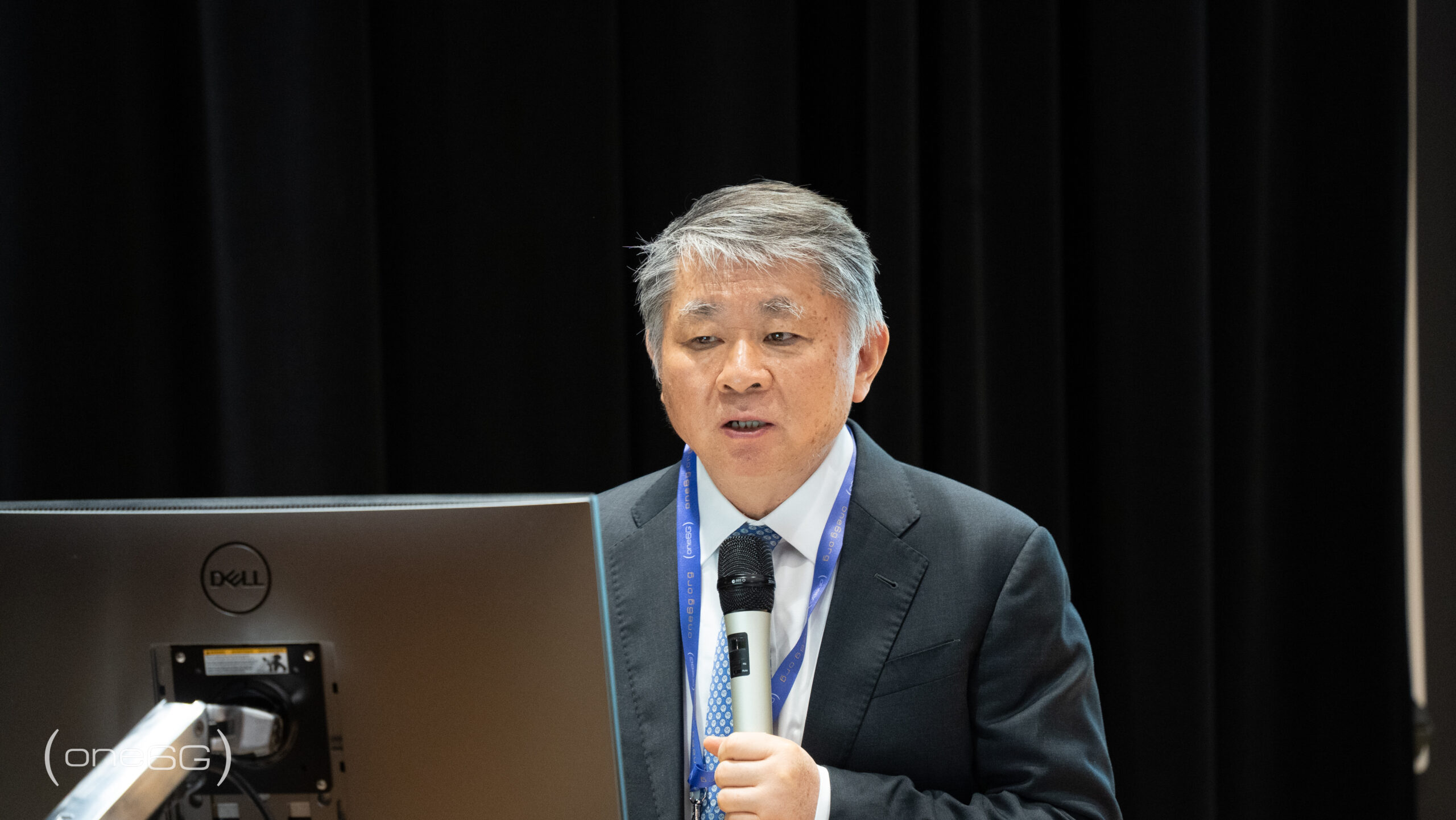
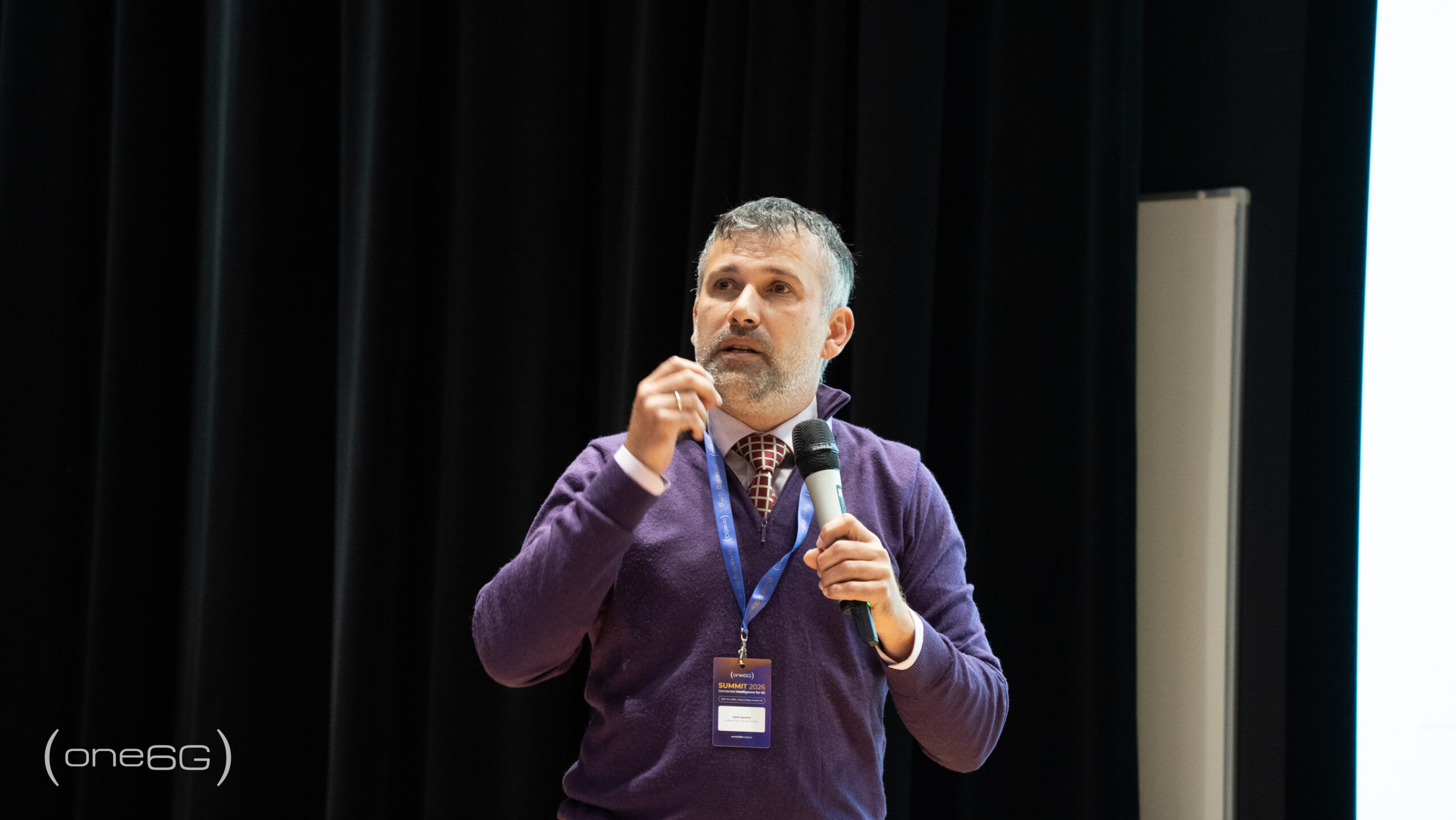
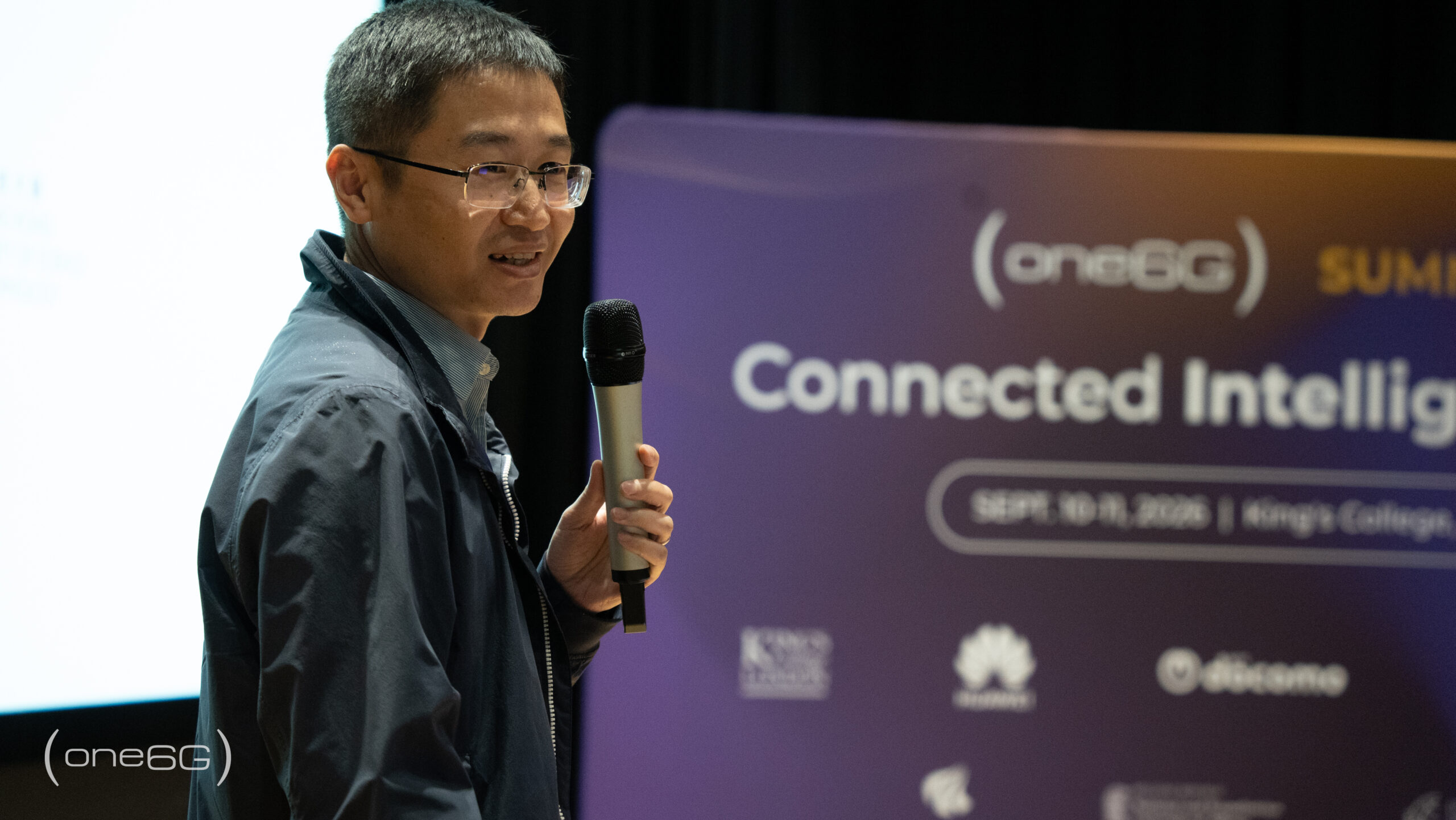
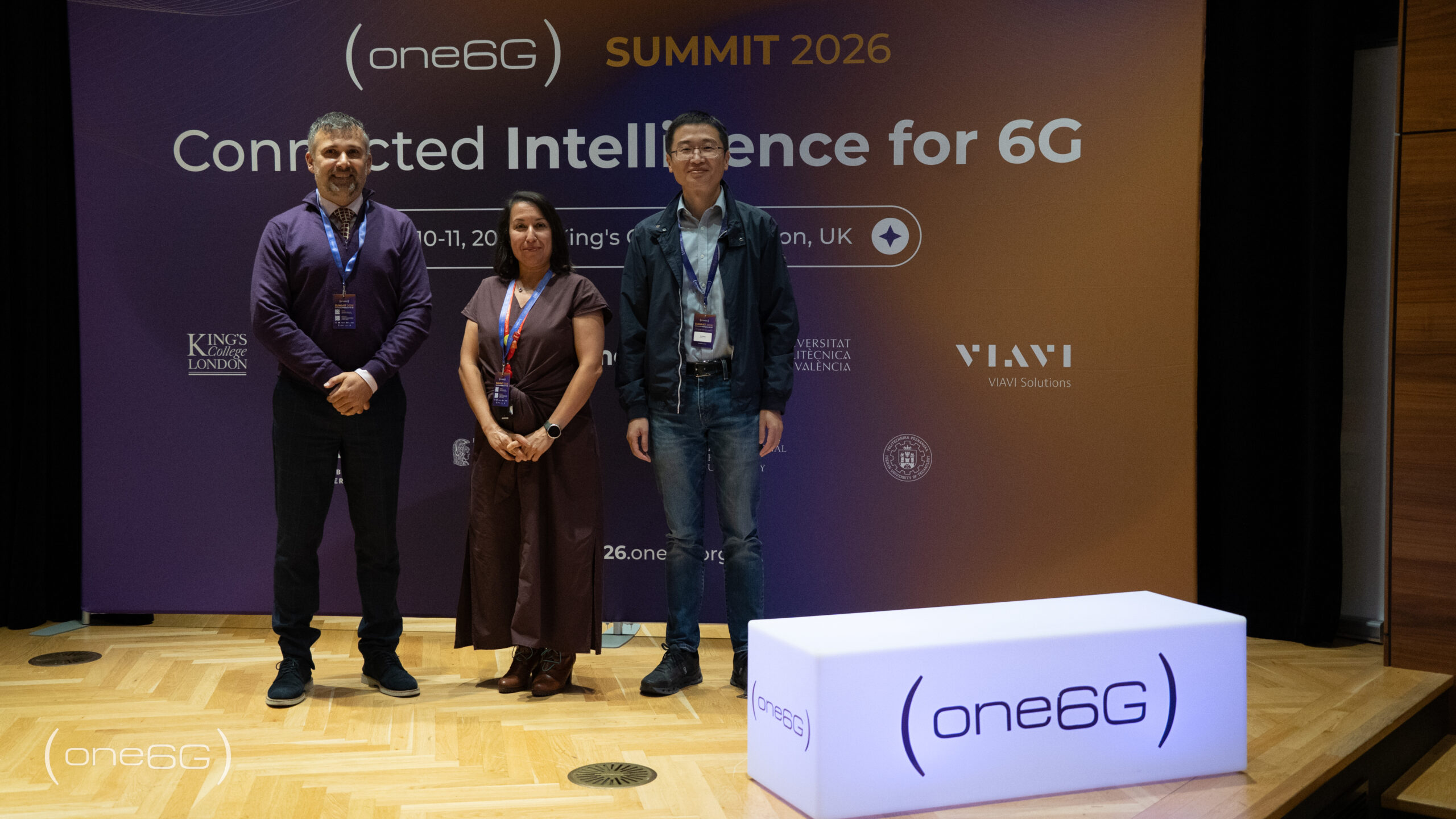
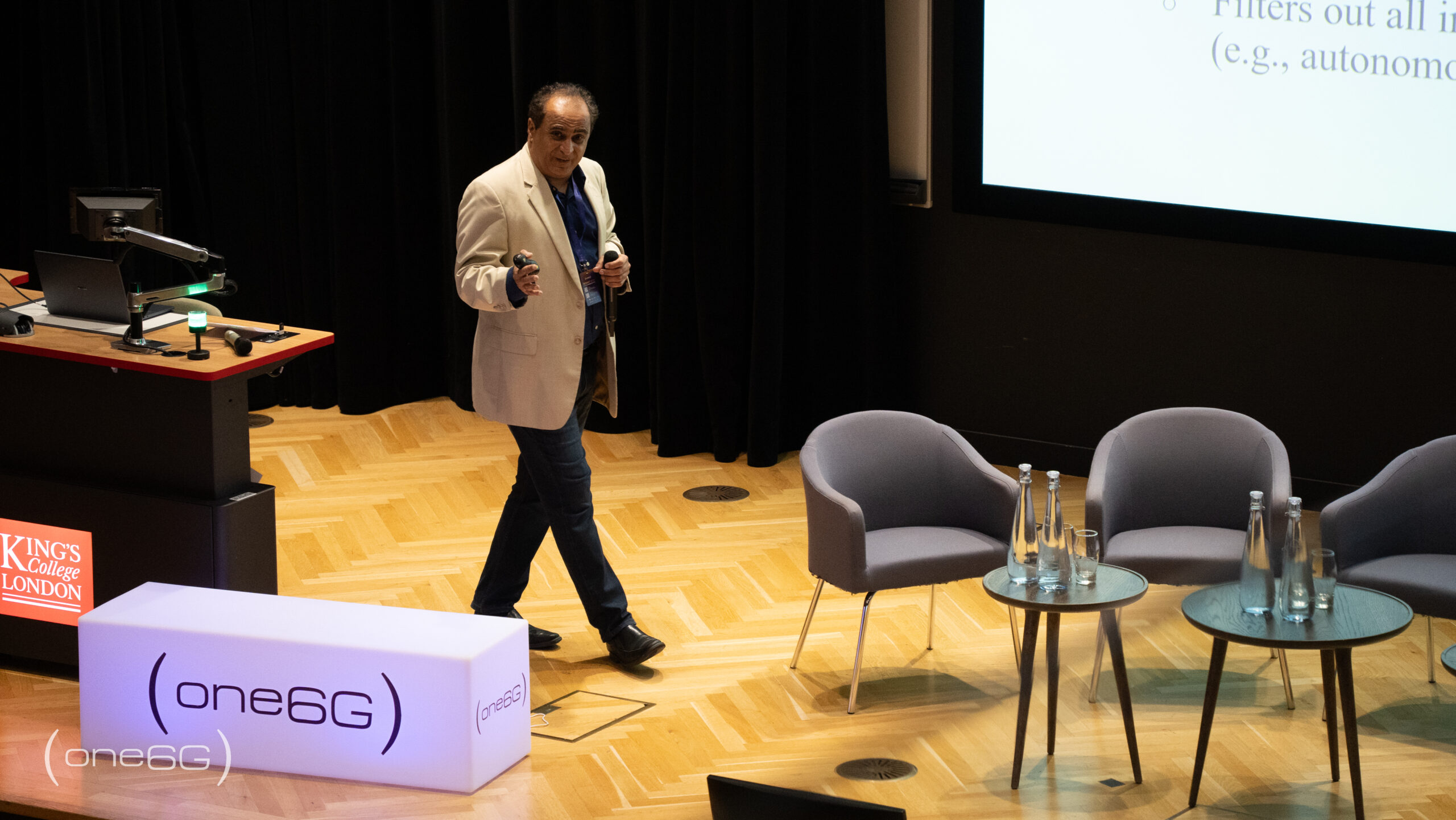
In the afternoon, Prof. Vahid Tarokh, Professor at Duke University and member of the U.S. NAE, delivered a keynote expanding Claude Shannon’s classical information theory to unite semantic understanding with machine learning.
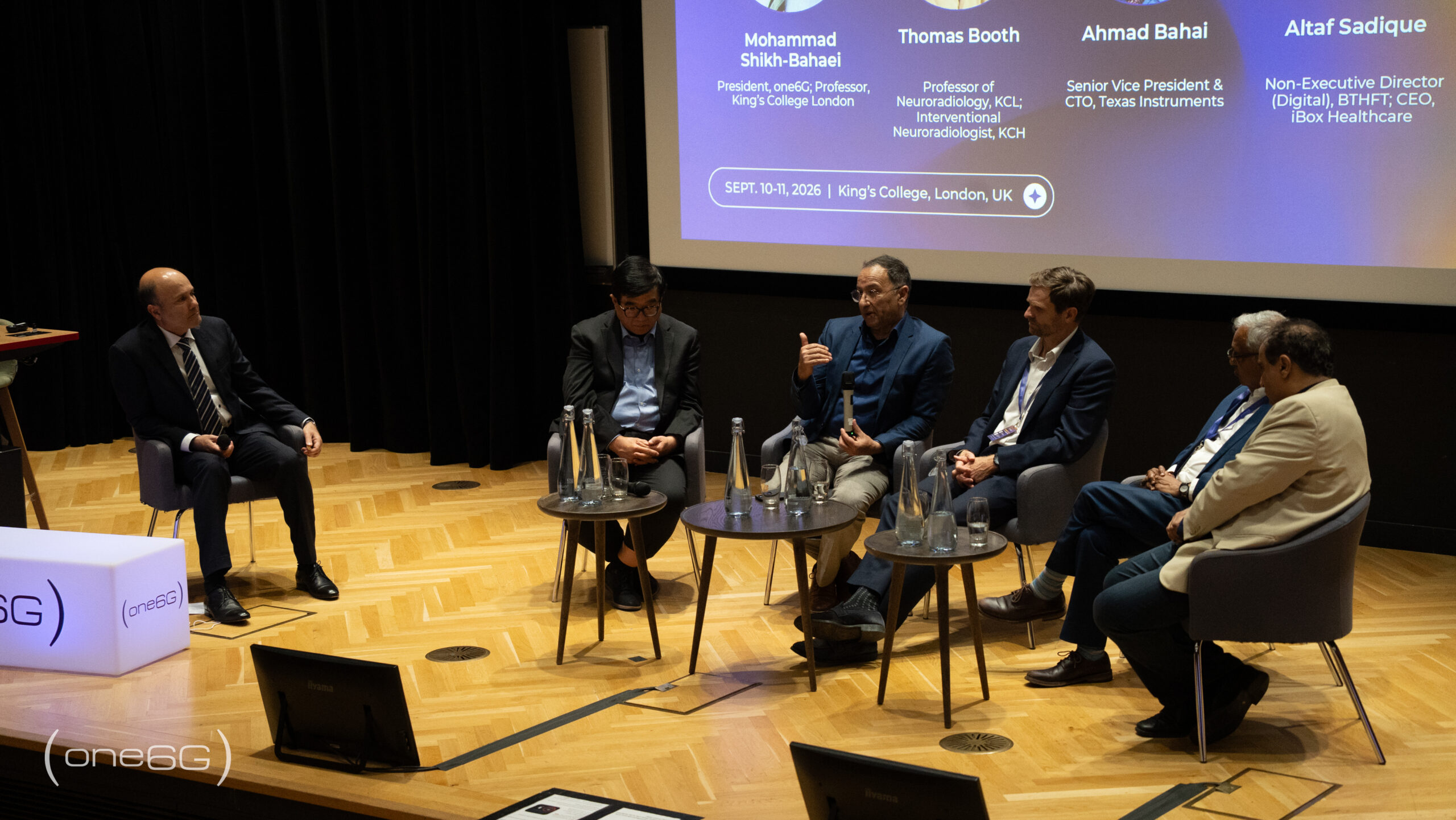
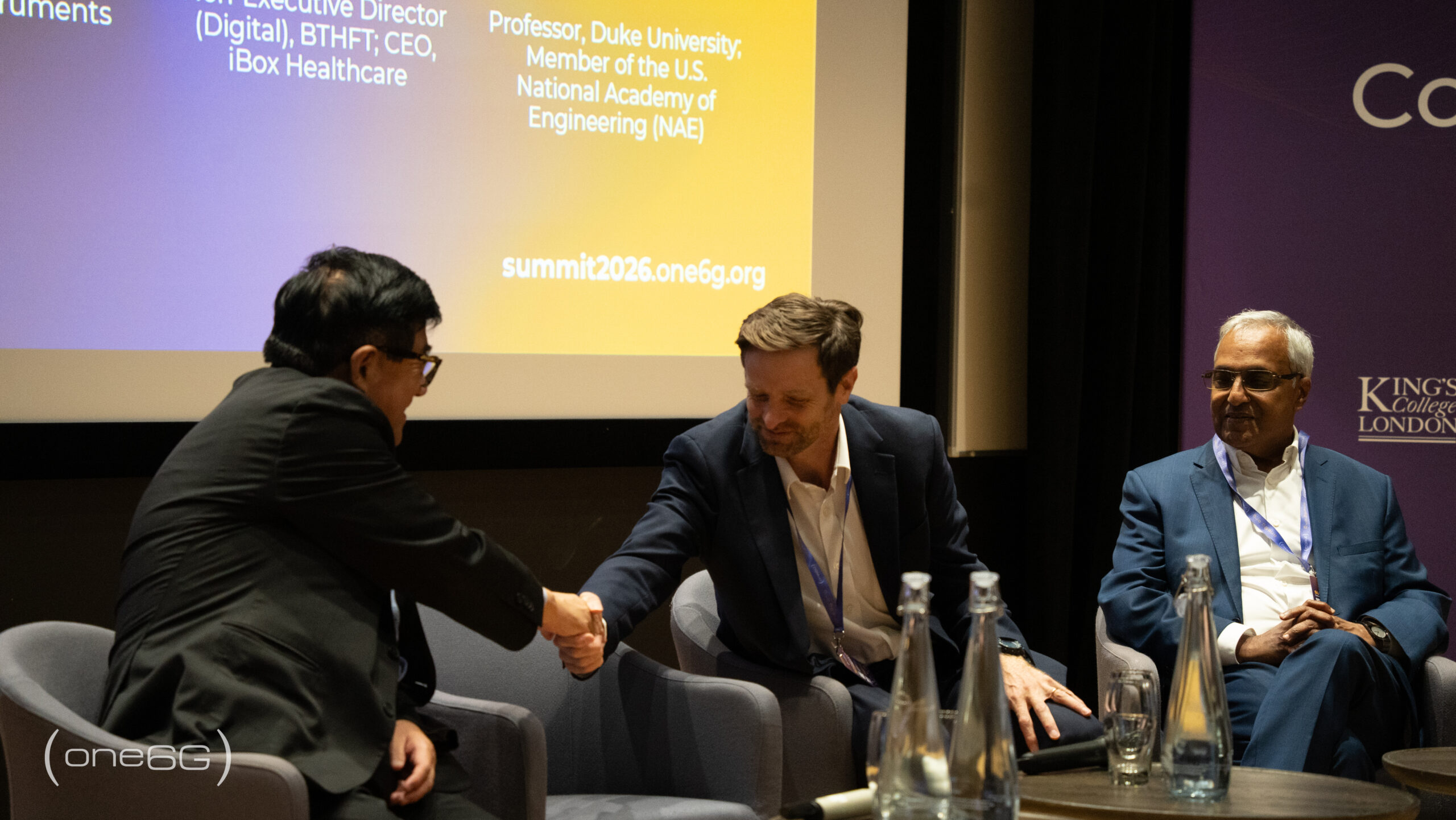
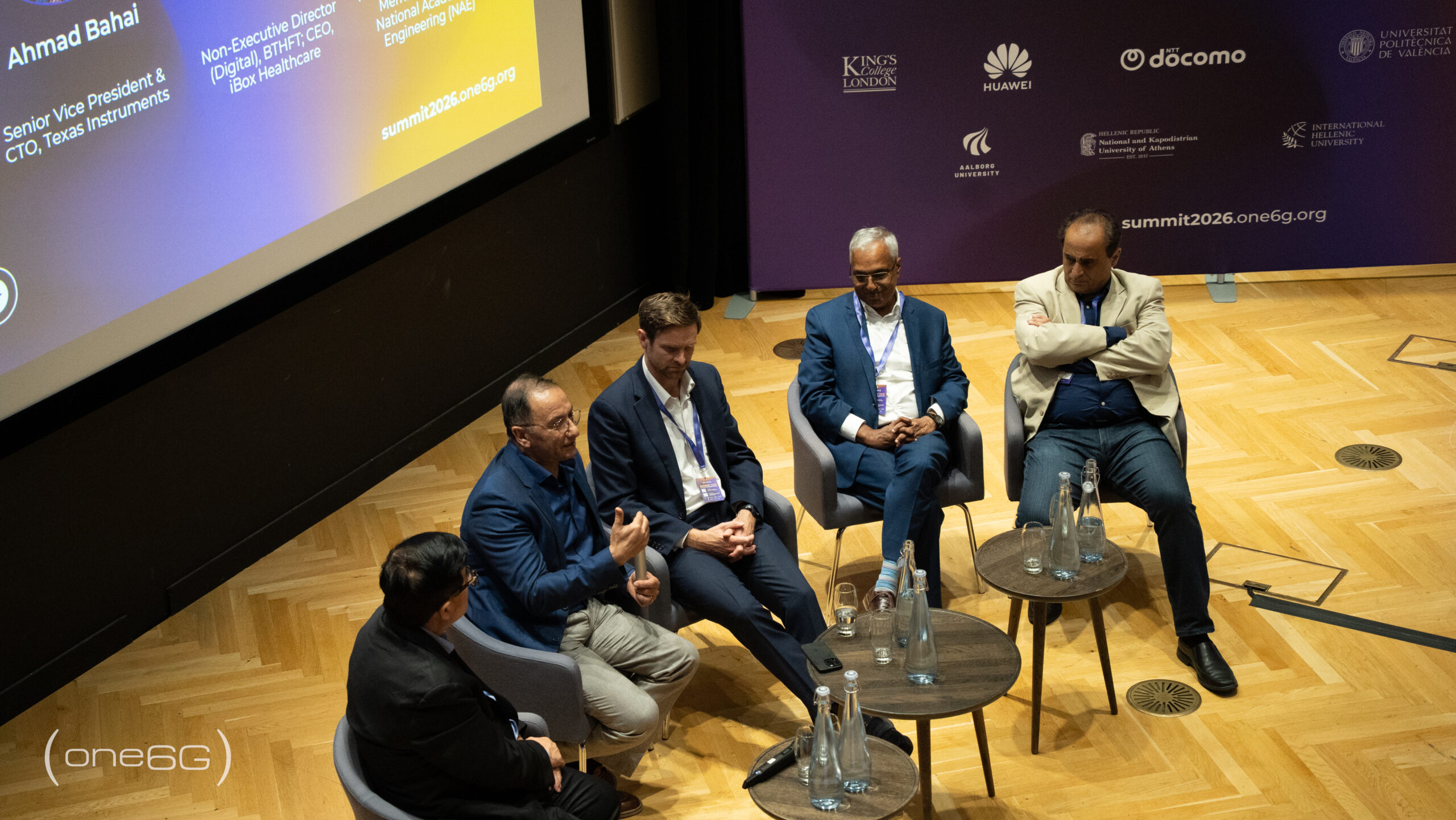
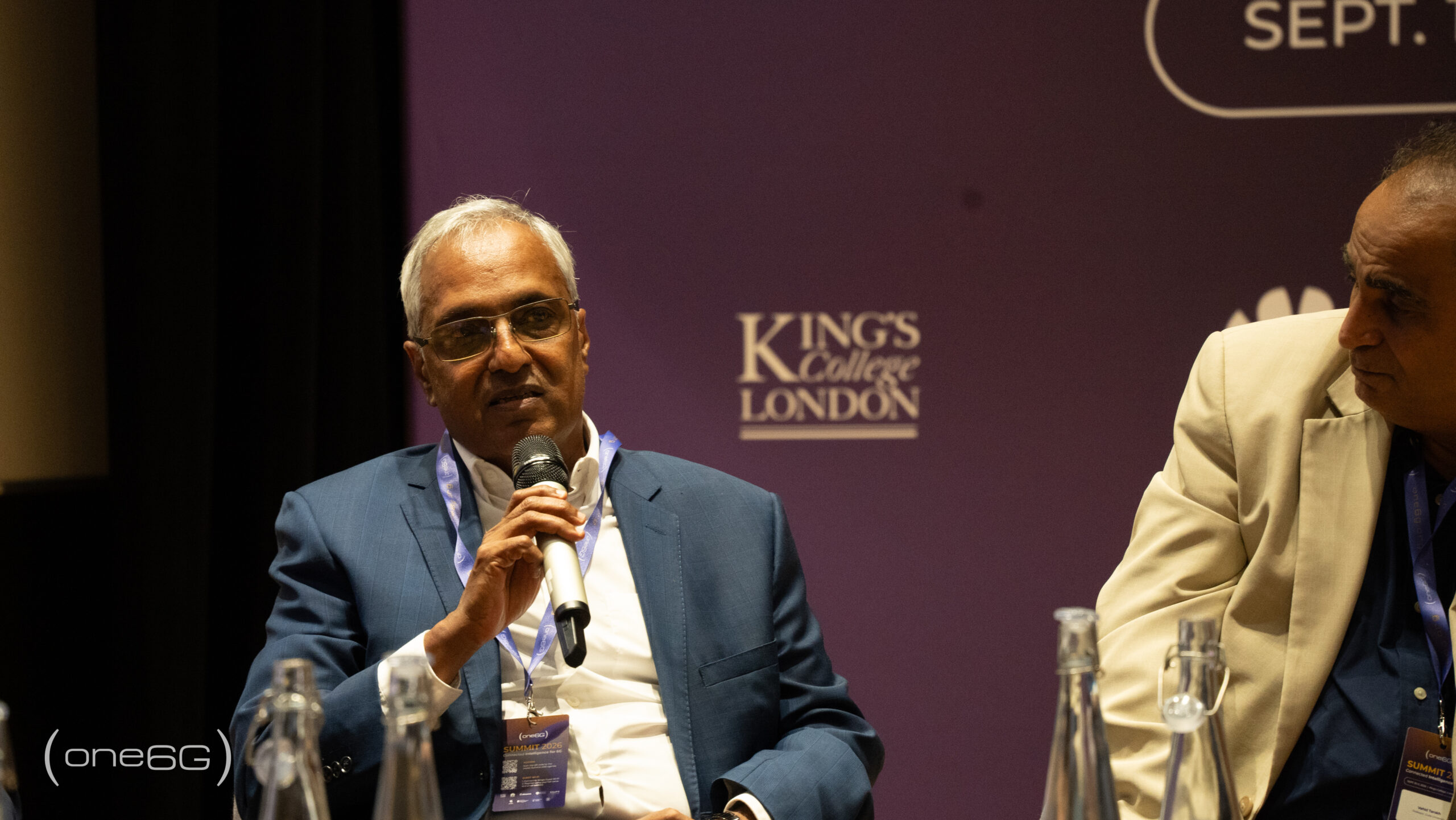
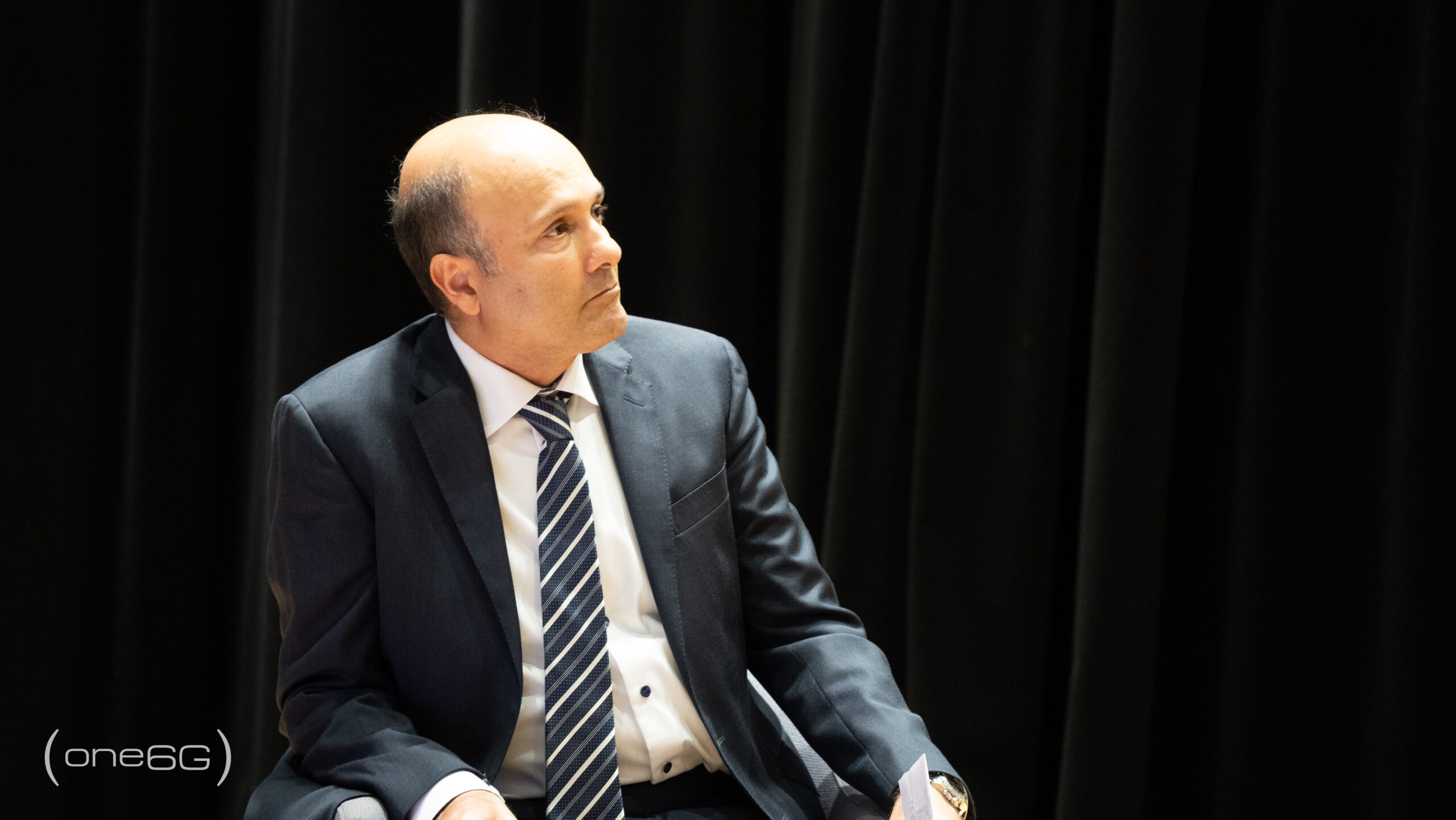
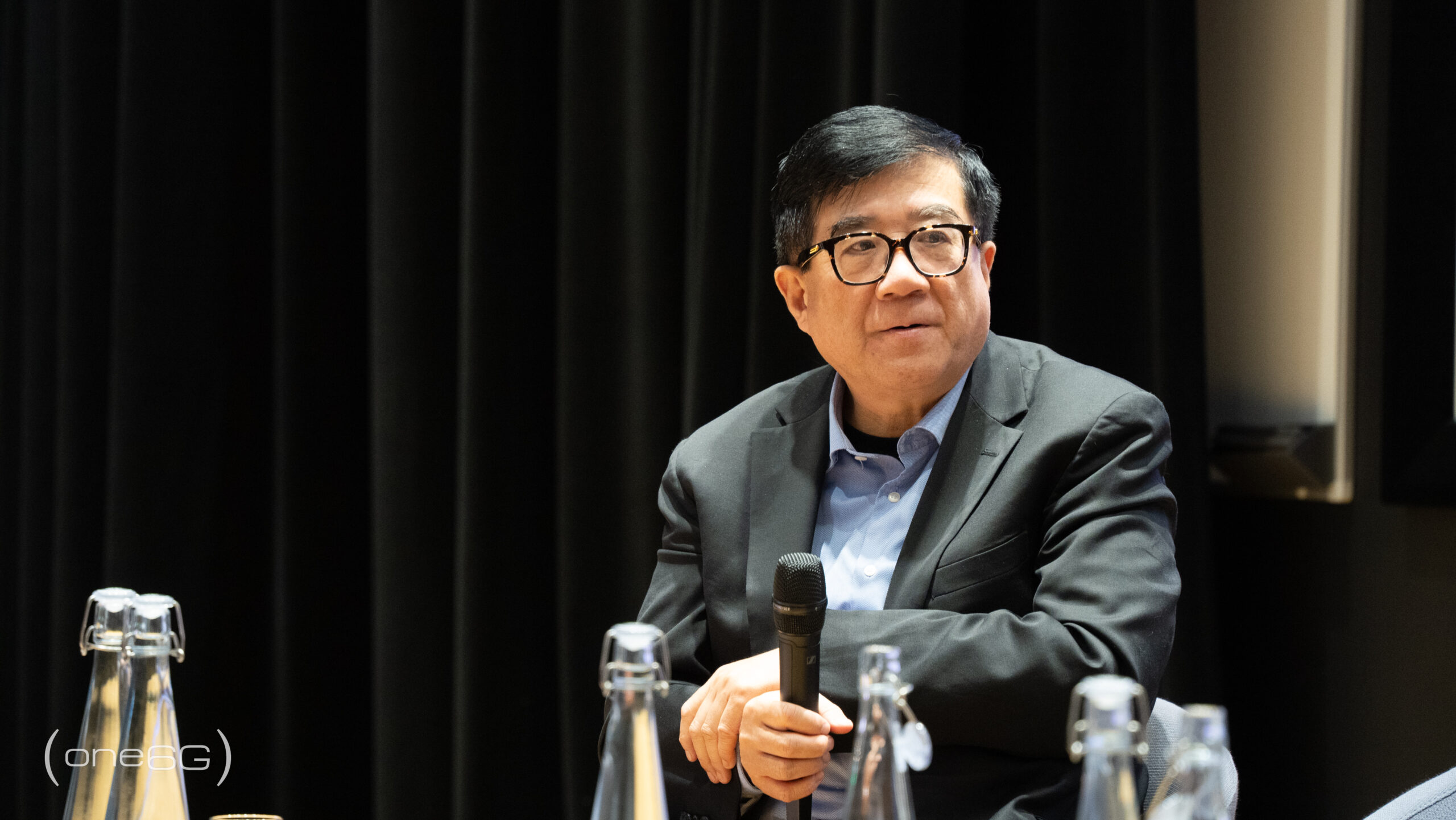
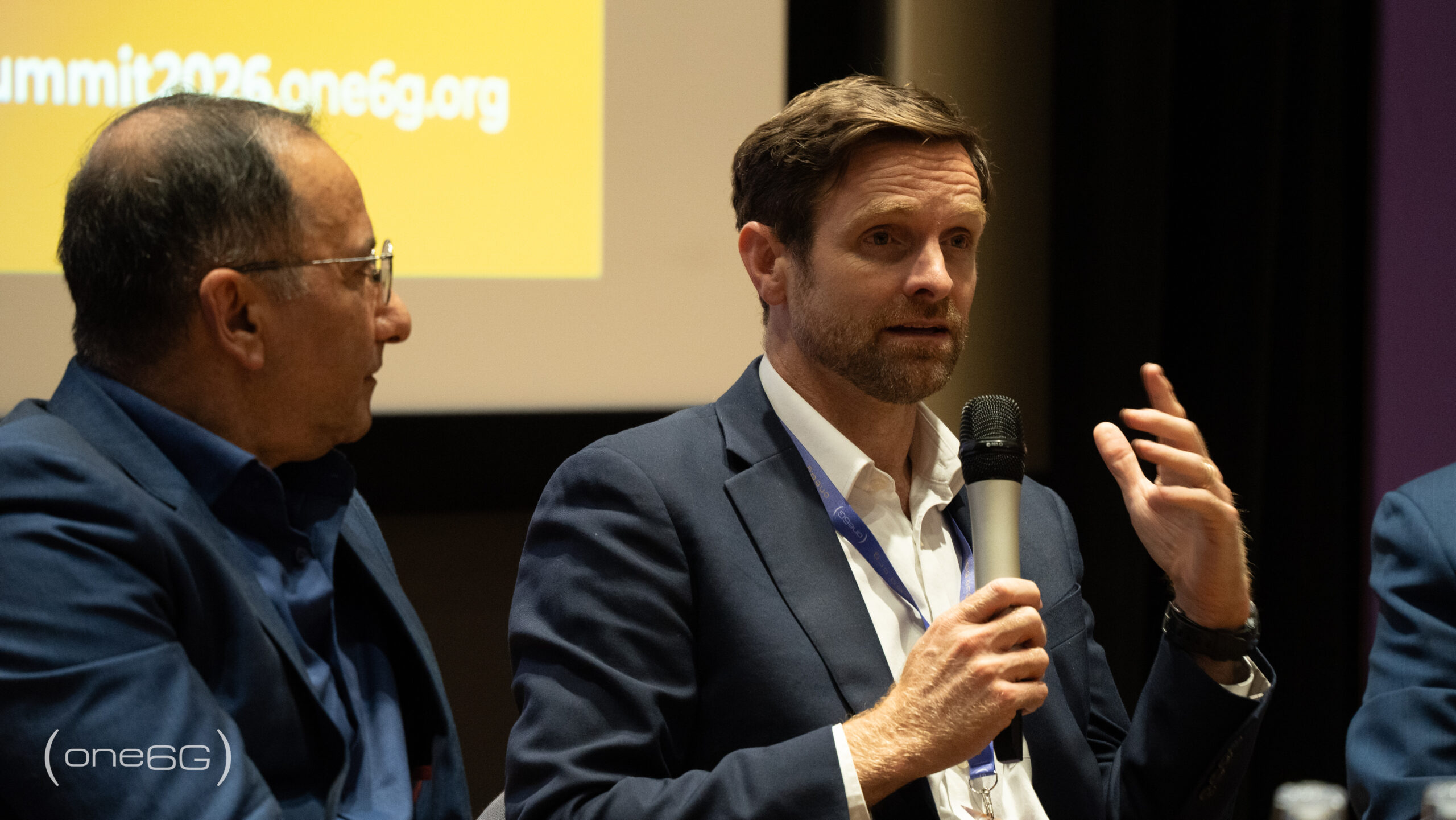
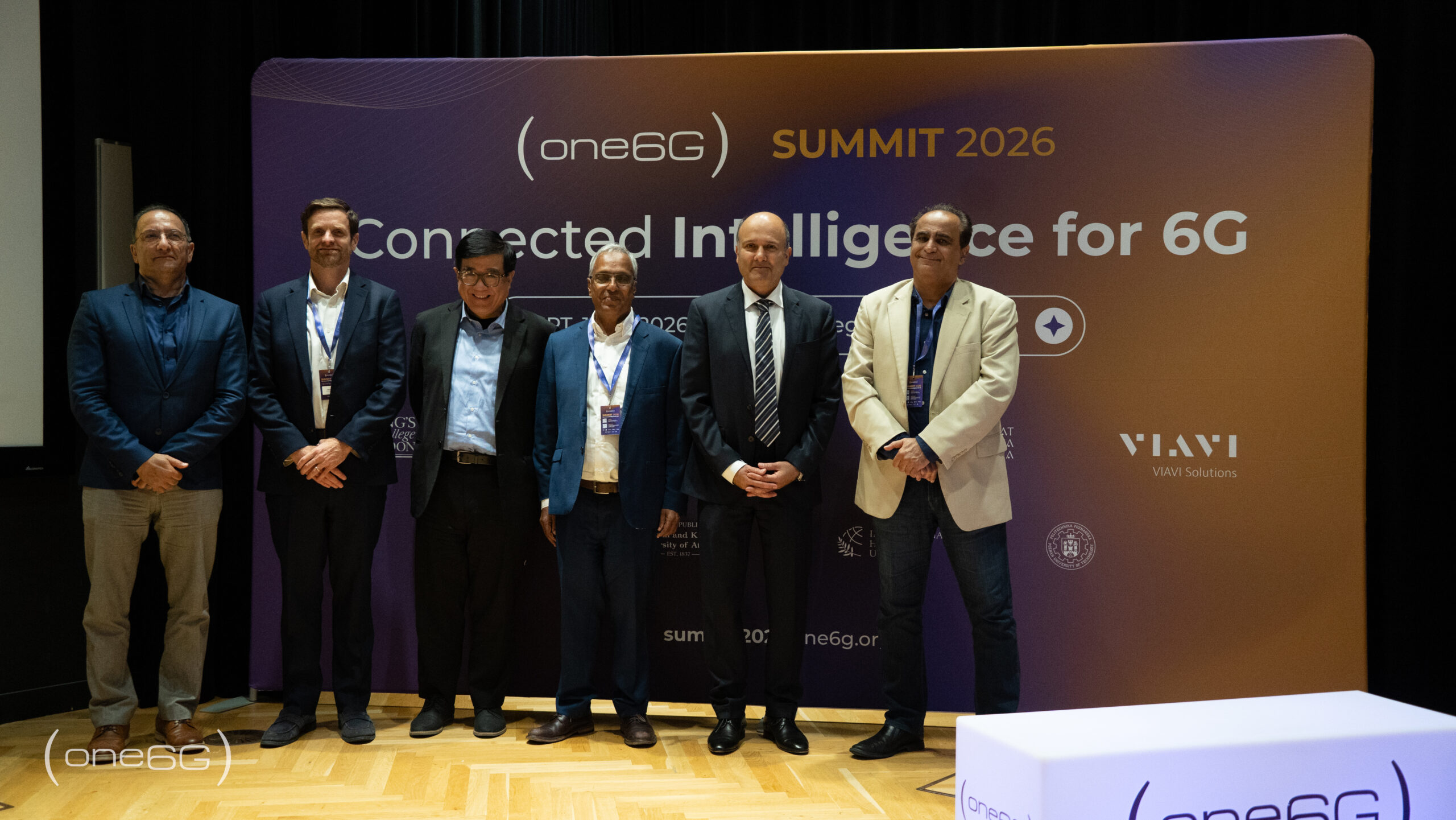
This theoretical foundation transitioned smoothly into a panel discussion on 6G-enabled intelligent eHealth, moderated by Prof. Mohammad Shikh-Bahaei. Featuring Dr. Thomas Booth of KCL and King’s College Hospital, Dr. Wen Tong of Huawei Wireless, Dr. Ahmad Bahai of Texas Instruments, Altaf Sadique of BTHFT and iBox Healthcare, and Prof. Vahid Tarokh, the panel explored how intelligent sensing, distributed AI compute, and agentic cross-layer coordination will transform connected hospitals, wearable care platforms, and medical remote operations.
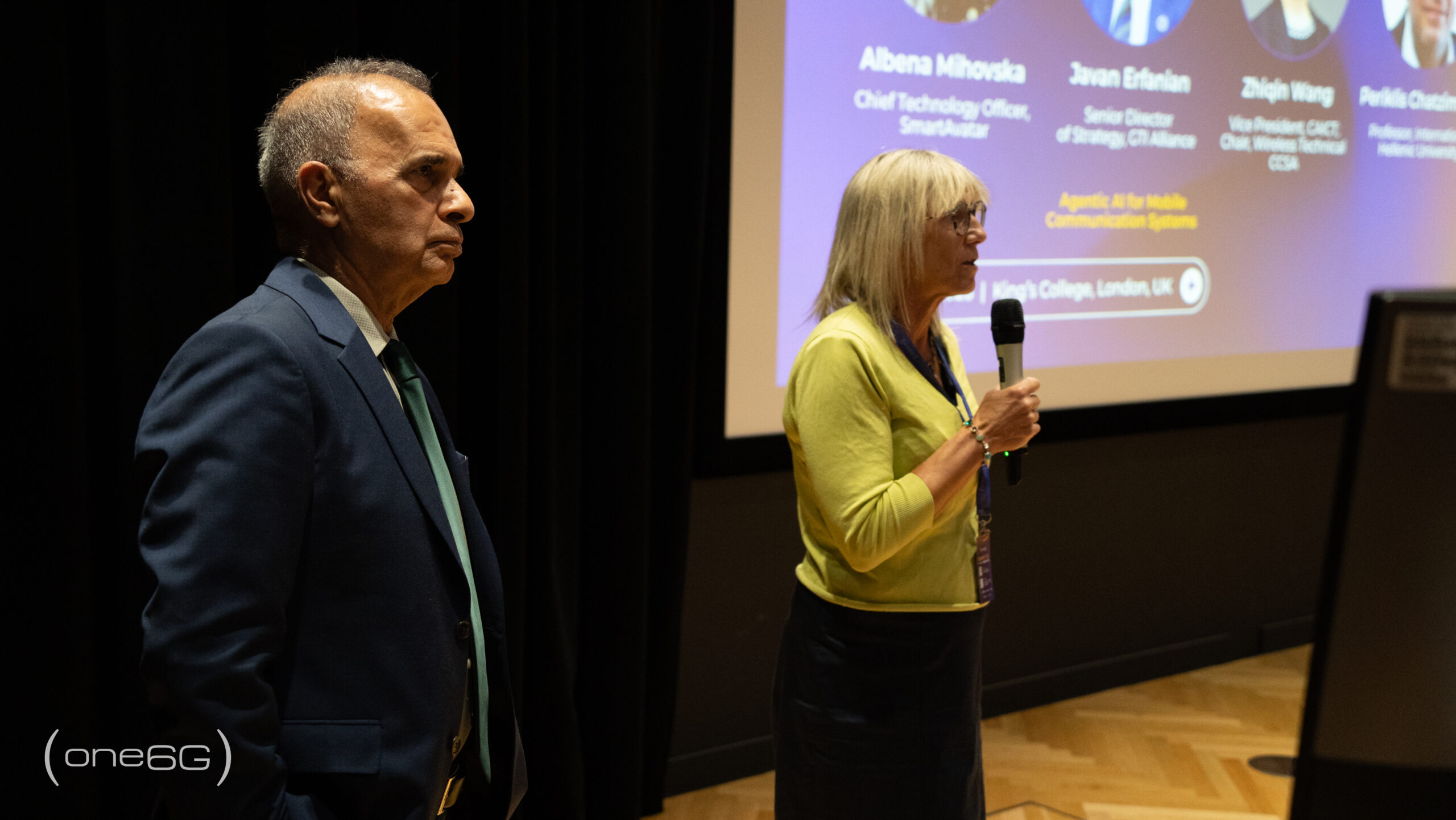
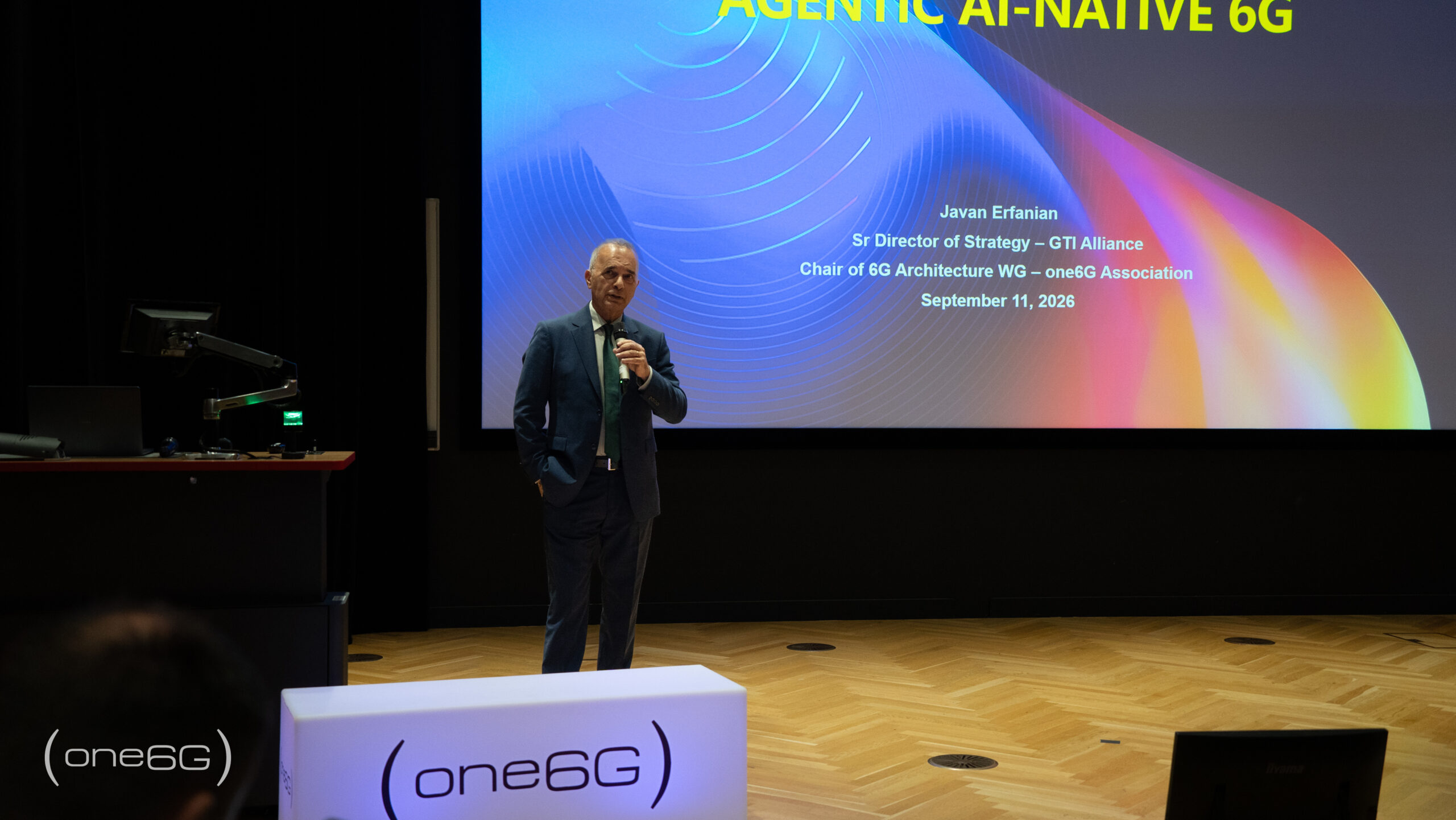
The final session of the one6G Summit, chaired by Dr. Albena Mihovska, CTO of SmartAvatar, highlighted partner perspectives with contributions from Javan Erfanian of GTI Alliance, Zhiqin Wang of CAICT/CCSA, Prof. Periklis Chatzimisios of International Hellenic University, and Josef Eichinger of the Huawei Heisenberg Research Center Munich.
Best Demo and Poster Awards
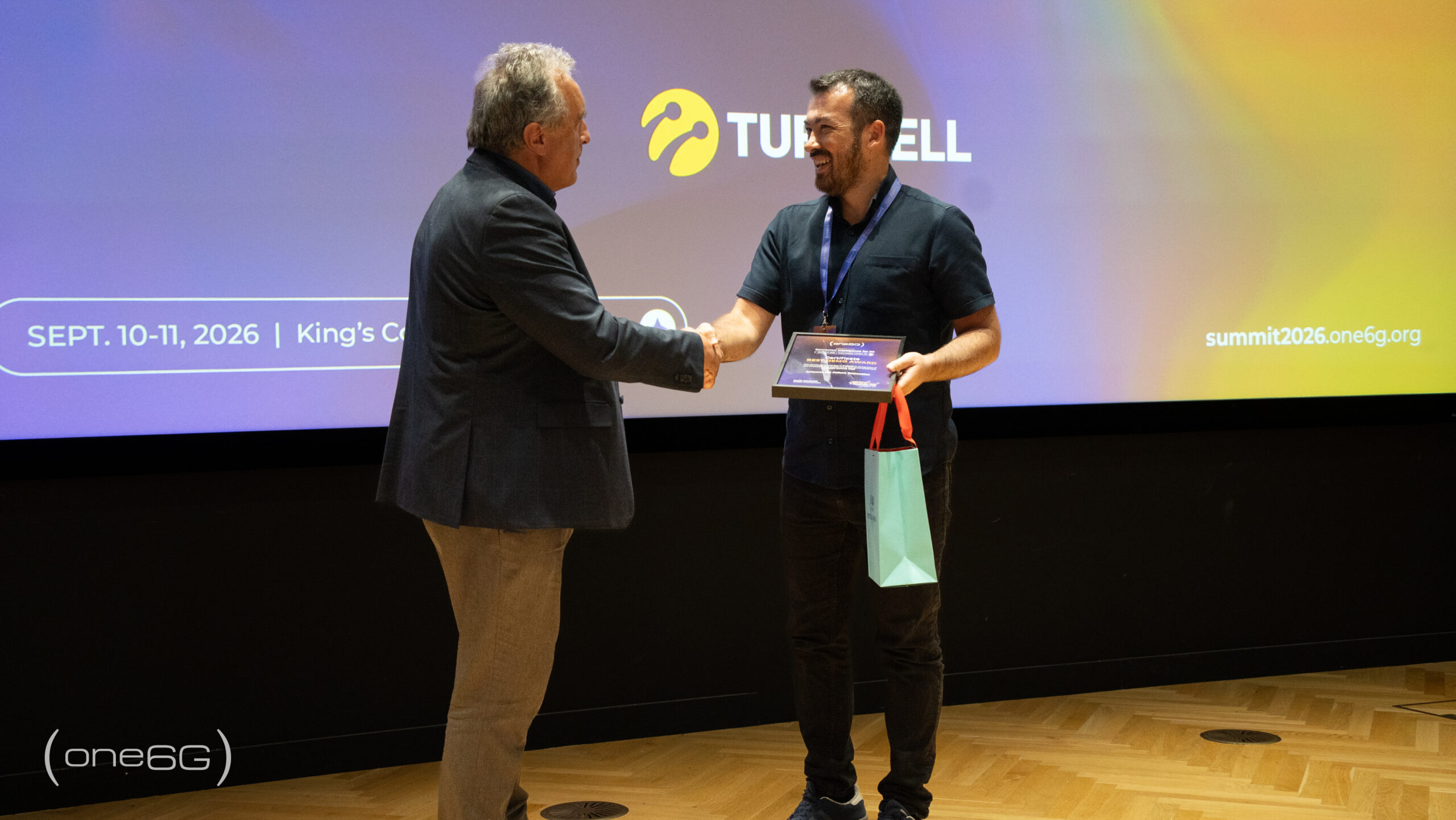
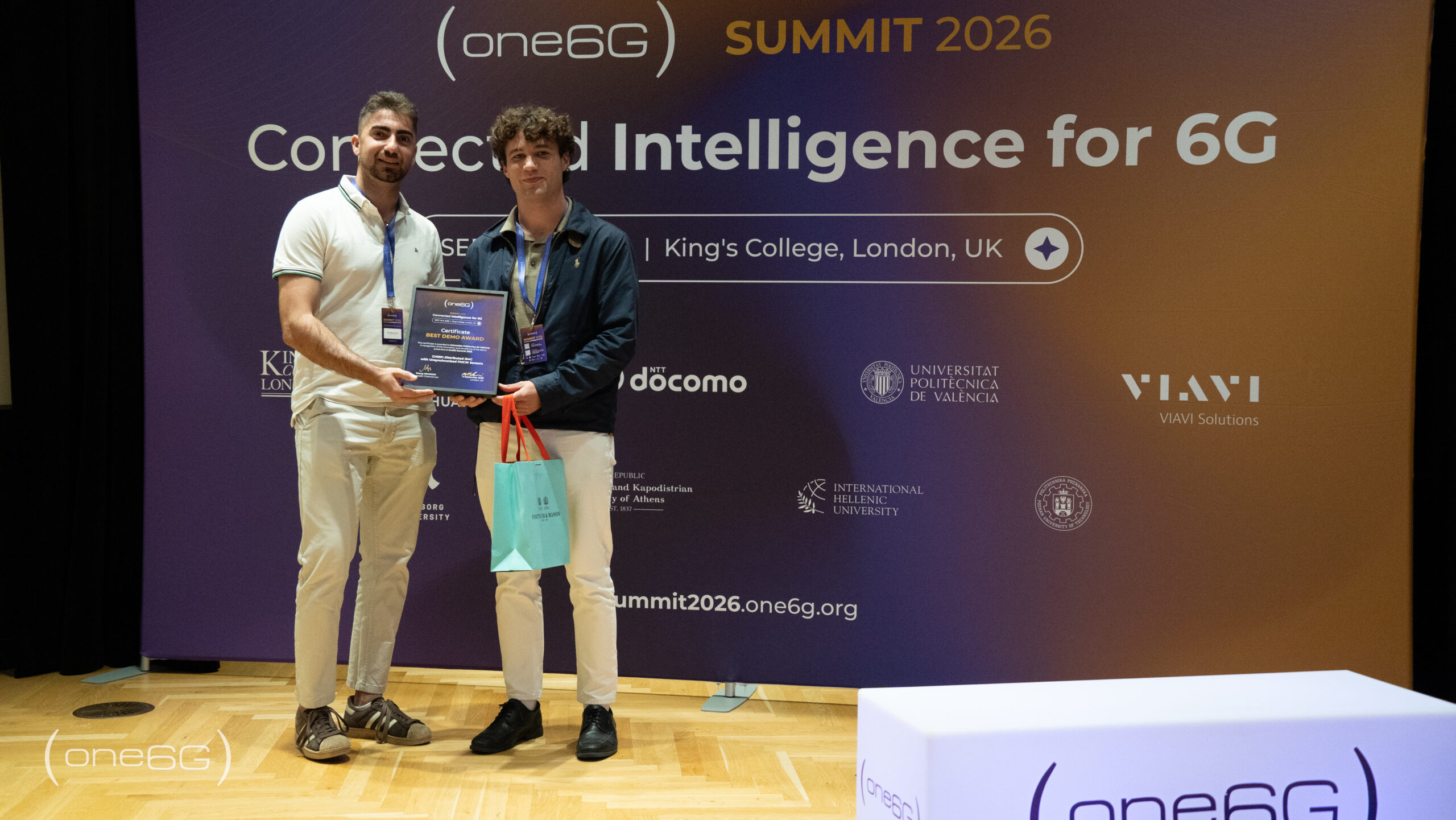
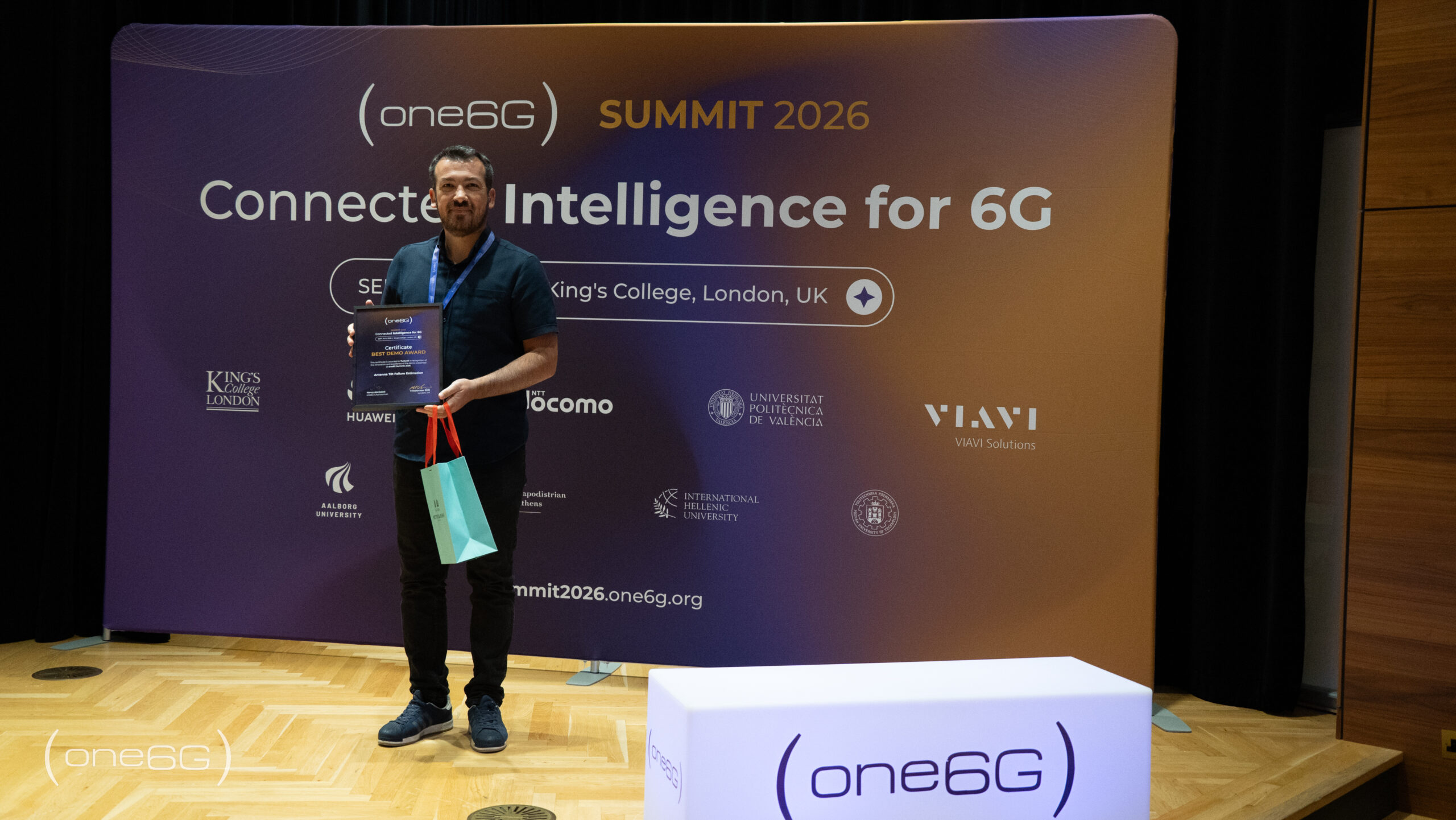
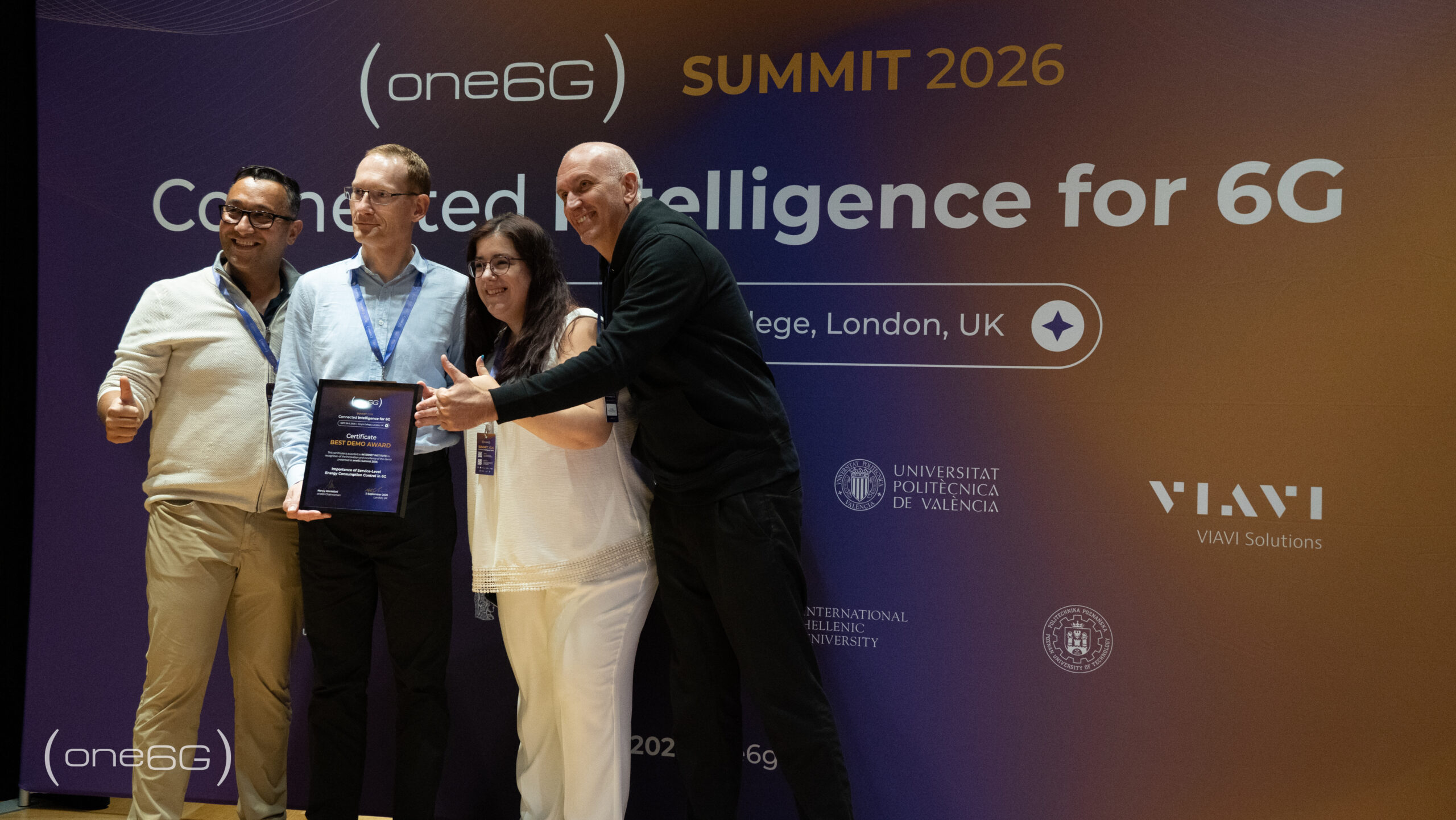
To honor the outstanding contributions presented throughout London 6G Week, the summit concluded its technical program with the presentation of the Best Demo and Poster Awards. The three Best Demo Awards were presented to the INTERNET INSTITUTE for their work “Importance of Service-Level Energy Consumption Control in 6G”, UPV for “CHIRP: Distributed ISAC with Unsynchronized FMCW Sensors”, and TURKCELL for “Antenna Tilt Failure Estimation”. The Best Poster Award was presented to DLR for “ORAN NTN Regenerative Payload Testbed with RIC Monitoring”. This recognition highlighted the ingenuity driving the global 6G ecosystem forward across digital twins, ISAC platforms, cell-free massive MIMO, and agentic AI (more information about the awards can be found in this news article).
Thanks to our supporters
The immense success of the one6G Summit 2026 was made possible by the dedicated support of our host institution, the organizing committee, and industry partners. We extend our profound gratitude to our Diamond Sponsors, King’s College London and Huawei, whose key backing provided the foundation for this year’s one6G Summit. Sincere appreciation is also extended to our Silver Supporters—NTT DOCOMO, iTEAM Research Institute, and VIAVI Solutions—for their vital contributions to advancing the technical program and exhibition showcase. Special thanks go as well to the master of ceremonies, session chairs, co-organizers from IEEE CSCN 2026 and London 6G Week, exhibitors, and all attendees whose collaborative spirit continues to turn visionary research into the connected reality of tomorrow.
Looking ahead: one6G Summit 2027
Before officially concluding the event, a special announcement was revealed: the seventh edition of the event, one6G Summit 2027, will take place in Lisbon, Portugal, on September 6–7, 2027. The event will be colocated with IEEE PIMRC 2027. Save the date and stay tuned for more information.